
Manic Miner


Buy
Part of collection:
Jet Set Willy
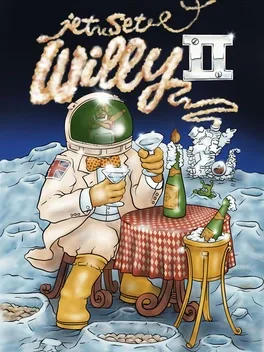
Jet Set Willy II: The Final Frontier is a platform game released in 1985 by Software Projects for a variety of 8-bit home computers. It was the only official sequel to Jet Set Willy, one of the most successful and popular home computer games ever released. Officially, Jet Set Willy II: The Final Frontier is the last of the Miner Willy series, although numerous unofficial sequels, remakes, homages and updates have been released, even up to this day.
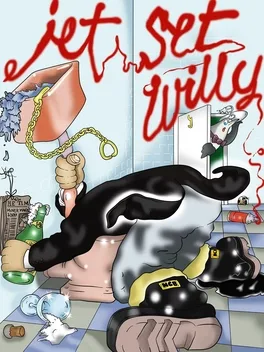
Jet Set Willy is a flip-screen platform game in which the player moves the protagonist, Willy, from room to room in his mansion collecting objects. Unlike the screen-by-screen style of its prequel, the player can explore the mansion at will.
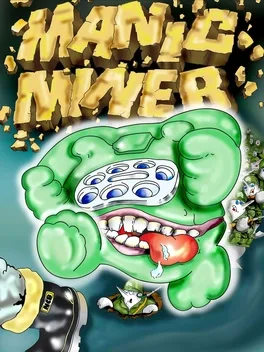
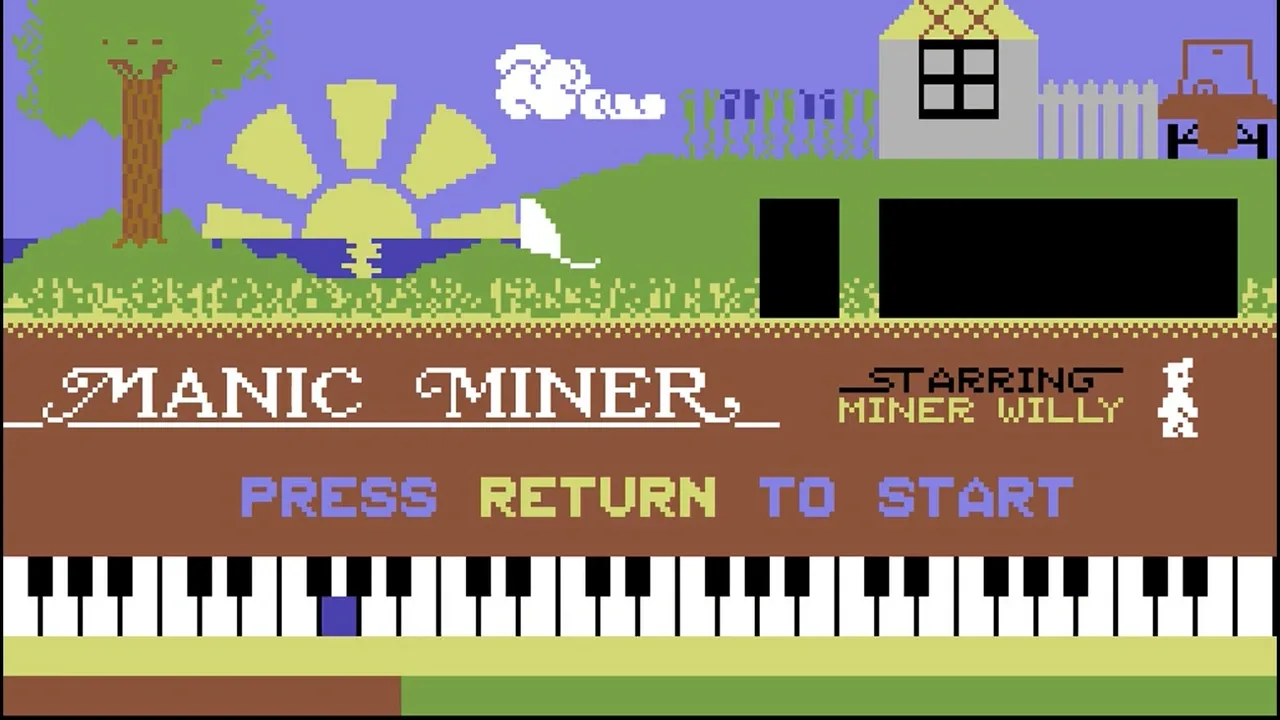
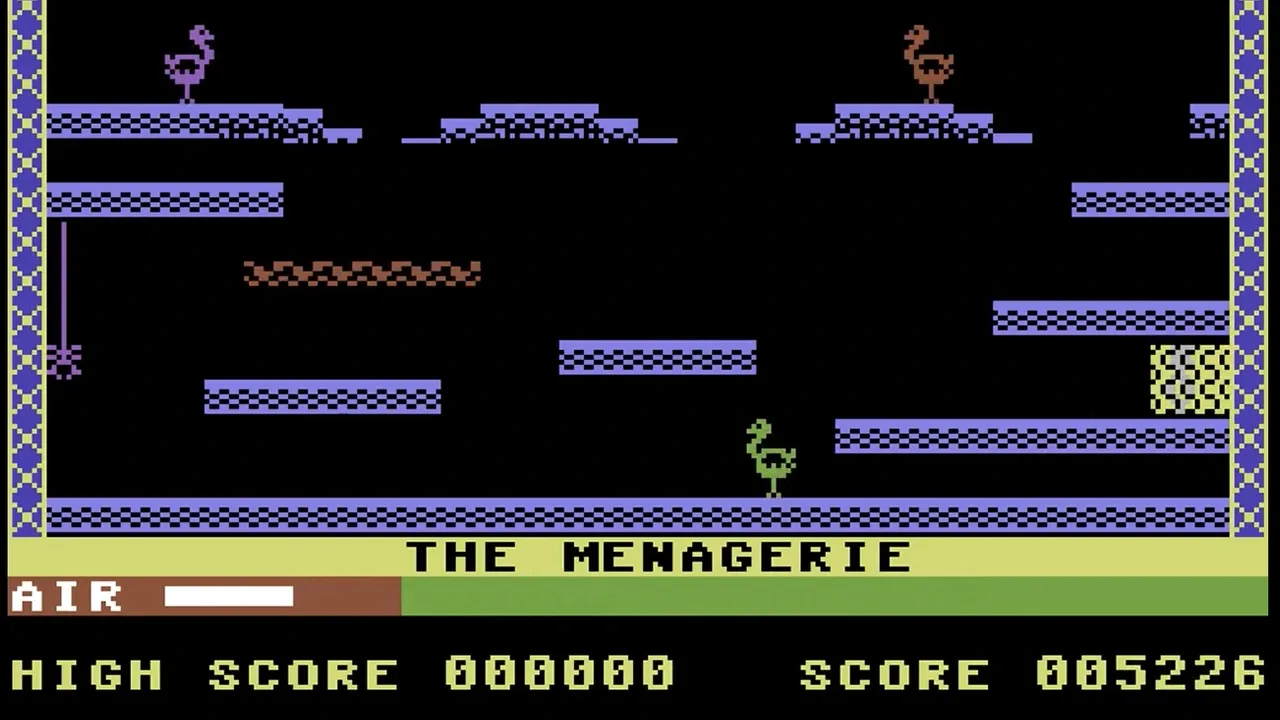
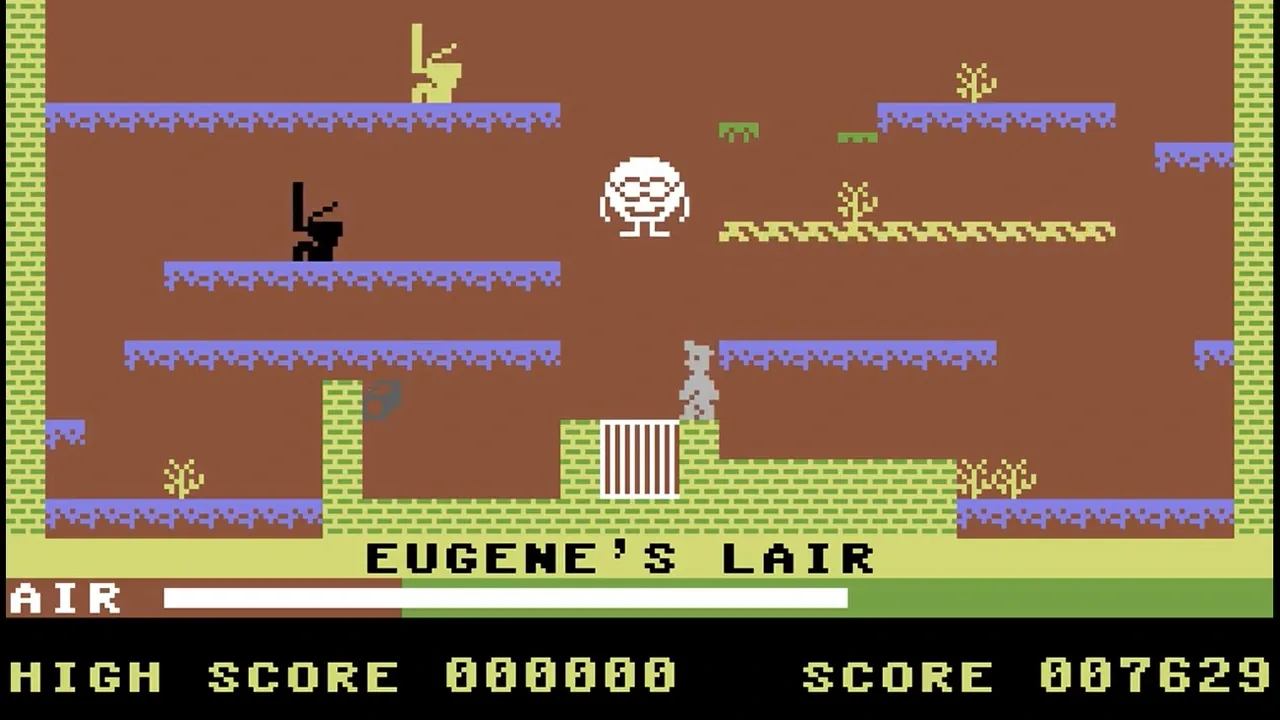
Manic Miner is a platform video game originally written for the ZX Spectrum by Matthew Smith and released by Bug-Byte in 1983 (later re-released by Software Projects). It is the first game in the Miner Willy series and among the early titles in the platform game genre. The game itself was inspired by the Atari 800 game Miner 2049er. It has since been ported to numerous home computers and video game consoles.
Could be interesting
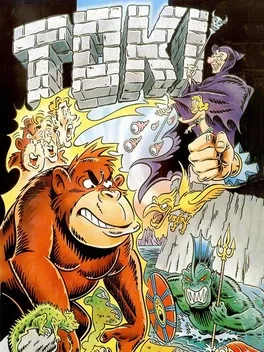
The hero of the game is a young jungle-man named Toki. One day the evil wizard Dr. Stark kidnaps his girlfriend Wanda. When Toki tries to save her, he is turned into a monkey! Now Toki has to find Dr. Stark in his palace, rescue Wanda, and become a human being again!
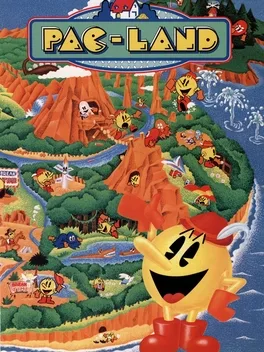
Pac-Land itself is split into trips. In each of these trips the objective is to get the fairy (that is kept under Pac-man's hat) to Fairyland and also to return home to Pac-Man's house. The majority of the trip involves moving from left to right avoiding various obstacles such as the enemy ghosts, water spurts and quicksand traps. Each trip is divided into a number of rounds, the end of which provides Pac-Man with bonus points depending on how much time he has left and also his position in jumping at the end of each round. If the player runs out of time before finishing the round, Sue, the purple ghost, will speed up rapidly. The penultimate round of a trip ends with Pac-Man entering Fairyland and returning the fairy under his hat to the Fairy Queen. In return the Fairy Queen gives Pac-Man magic boots. For the final round of the trip, Pac-Man has to travel from right to left back home. For assistance he uses the magic boots, which allow him to jump repeatedly while in mid-air. Once Pac-Man completes the trip, he is greeted by Ms. Pac-Man and Baby Pac-Man. In the US release of the game, Pac-Man's cat and dog in the cartoon series, Sour Puss and Chomp-Chomp, are also there to welcome Pac-Man home. Pac-Man then begins his next trip following the same objectives as before, although the difficulty increases. As in the original Pac-Man, there are fruit which appear to eat for bonus points and power pellets to turn the ghosts blue and vulnerable. A hidden item (sometimes accidentally dropped by the ghosts) is a Flagship from Galaxian, which rewards 7650 points when collected (a reference to Namco's goroawase number of 765). The Galaxian Flagship is a long running cameo that appears in the Namco-made Pac-Man games. There are also hidden bonuses in the game, eating ghosts in a certain order will give extra time and pushing an obstacle in the opposite direction can give extra lives, invincibility, and balloons to collect for points and warps.
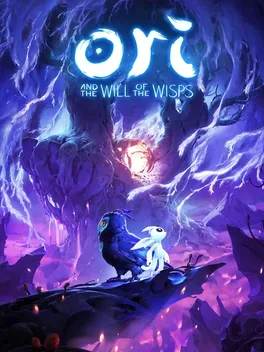
Ori and the Will of the Wisps is a platform-adventure game that combines exploration, traversal, and combat within an interconnected world. Designed in a Metroidvania style, it focuses on navigating varied environments, uncovering hidden areas, and acquiring abilities that expand movement and progression options. The game features a system of upgrades and spirit-based skills that support different playstyles, along with environmental challenges and encounters that require timing and precision. Its presentation emphasizes detailed animation and a cohesive audiovisual design that supports both exploration and gameplay.
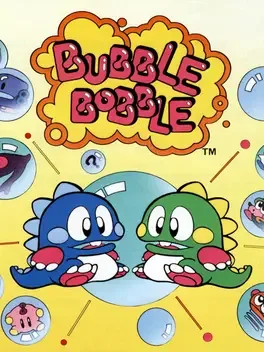
In the game, each player controls one of the two Bubble Dragons, Bub and Bob. The player can move along platforms, as well as jump to those above and to the side, similar to most platform games. The player can also blow bubbles. These can trap enemies, who are defeated if the bubble is then burst by the player's spiny back. Bubbles that contain enemies can be popped at the same time resulting in different foods being projected around the level. Each enemy trapped in a bubble equates to a different food. Food is consumed and transferred to points (an increasing scale of 1000 points is awarded for each enemy burst in tandem with another meaning: one enemy burst equals one food item worth 1000 points, two enemies burst equals two food items worth 1000 and 2000 points, three enemies burst equals three food items worth 1000, 2000 and 4000 points, and so on), which results in earning lives. These same bubbles also float for a time before bursting, and can be jumped on, allowing access to otherwise inaccessible areas. Players progress to the next level once all enemies on the current level are defeated. Enemies turn "angry" — becoming pink-colored and moving faster — if they are the last enemy remaining, escape from a bubble after being left too long or a certain amount of time has been spent on the current level. A monster will also become angry if either player collects a skull (the only negative item in the game), and the monster is hit by the resulting comet crossing the screen (however, this is a rare occurrence). After a further time limit expires, an additional invincible enemy appears for each player, actively chasing them using only vertical and horizontal movements. These do not need to be defeated to complete the level, and disappear once a player's life is lost. Contact with enemies and their projectiles (rocks, lasers, fireballs, etc.) results in death.
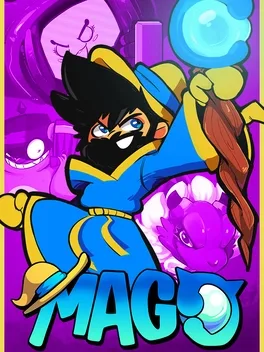
Mago is a 2D platformer that puts us in the boots of a sorcerer who will have to run, jump and use his trustworthy magic wand across a vast kingdom where everything can, and will, happen. Will the Wizard be able to rescue his beloved damsel from the claws of the evil Gourmet?
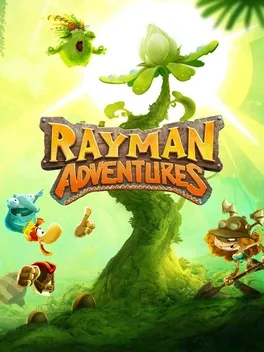
The enchanted forest is in trouble; the ancient eggs that sustain the sacred tree have been stolen and scattered across the world.
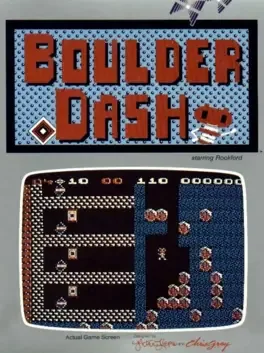
Boulder Dash was originally released in 1984 for Atari 8-bit computers. It was developed and published by First Star Software, and spawned a series of sequels, re-releases, and spinoffs. It also did a great deal to establish and influence the mining genre of video games, which can be seen in modern games such as Minecraft, Spelunky, and Terraria.
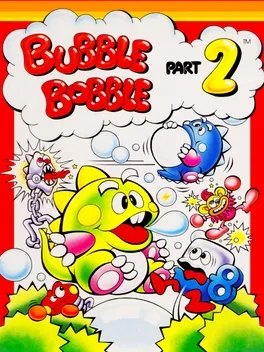
A new breed of heroes! Cubby and Rubby, descendants of the famous Bubby, must battle the Skull Brothers and their army of fiends to rescue a friend in danger. Fortunately, our dinosaur heroes can blow bubbles that will destroy their foes. They will rain fire, floods and tornado!
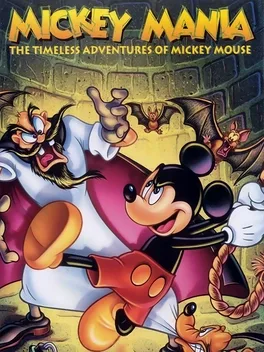
Mickey Mouse gets a chance to go down memory lane and walk through the timeless adventures he has lived. Mickey Mania is a platformer where all the levels are based on Mickey's most famous cartoons. The levels range about 75 years, starting off with "Steamboat Willie" and going all the way to "The Prince and the Pauper". The gameplay consists mostly of jumping and marble throwing at enemies, with an occasional puzzle element.
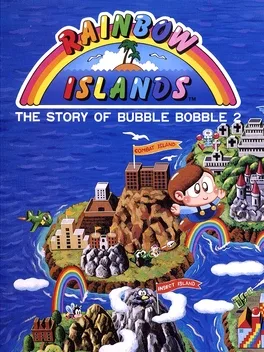
Rainbow Islands is a 1987 arcade game developed and published by Taito. The arcade version was licensed to Romstar for North American manufacturing and distribution. The game is subtitled "The Story of Bubble Bobble 2" and is the sequel to Taito's hit game Bubble Bobble from the previous year. It is the second of four arcade games in the Bubble Bobble series. The game was ported for numerous home computers and game consoles.