
Nightmare Creatures




Buy
Part of collection:
Nightmare Creatures
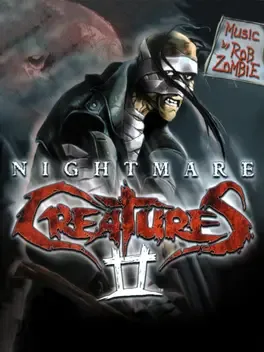
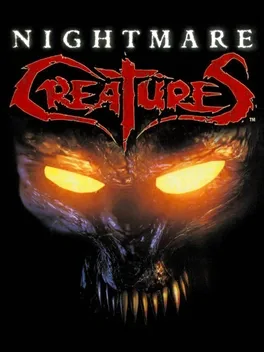
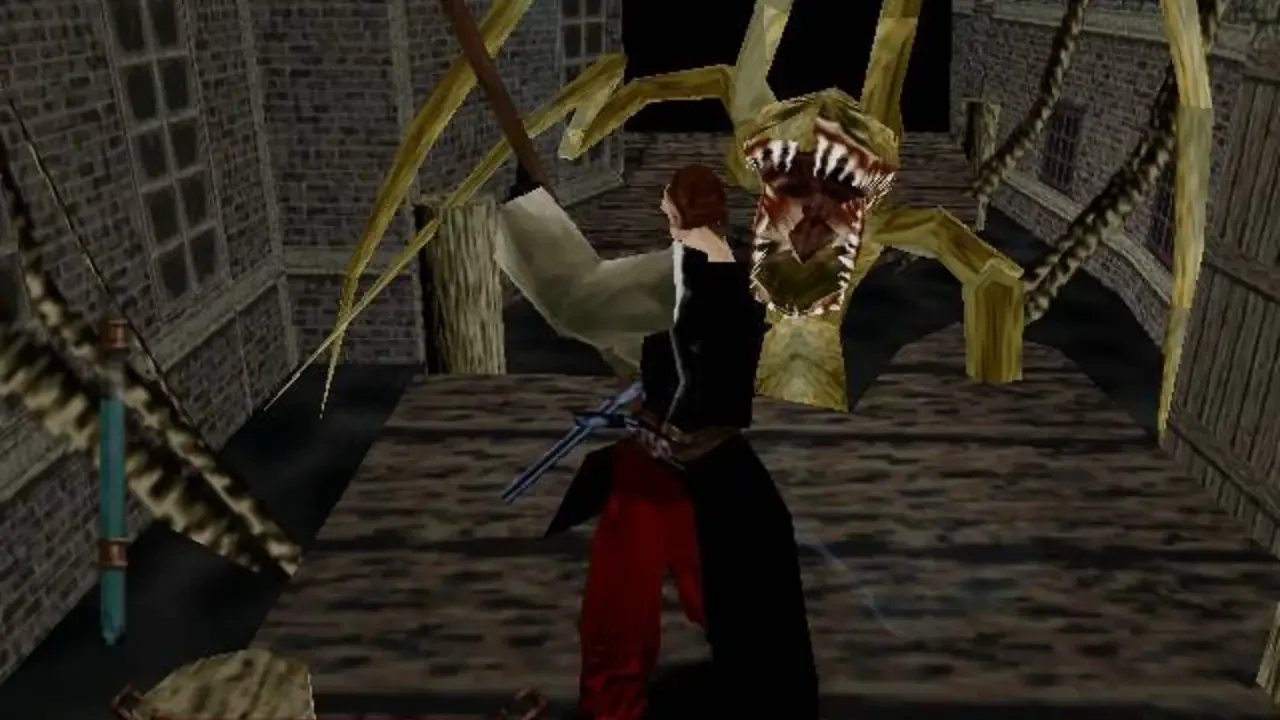
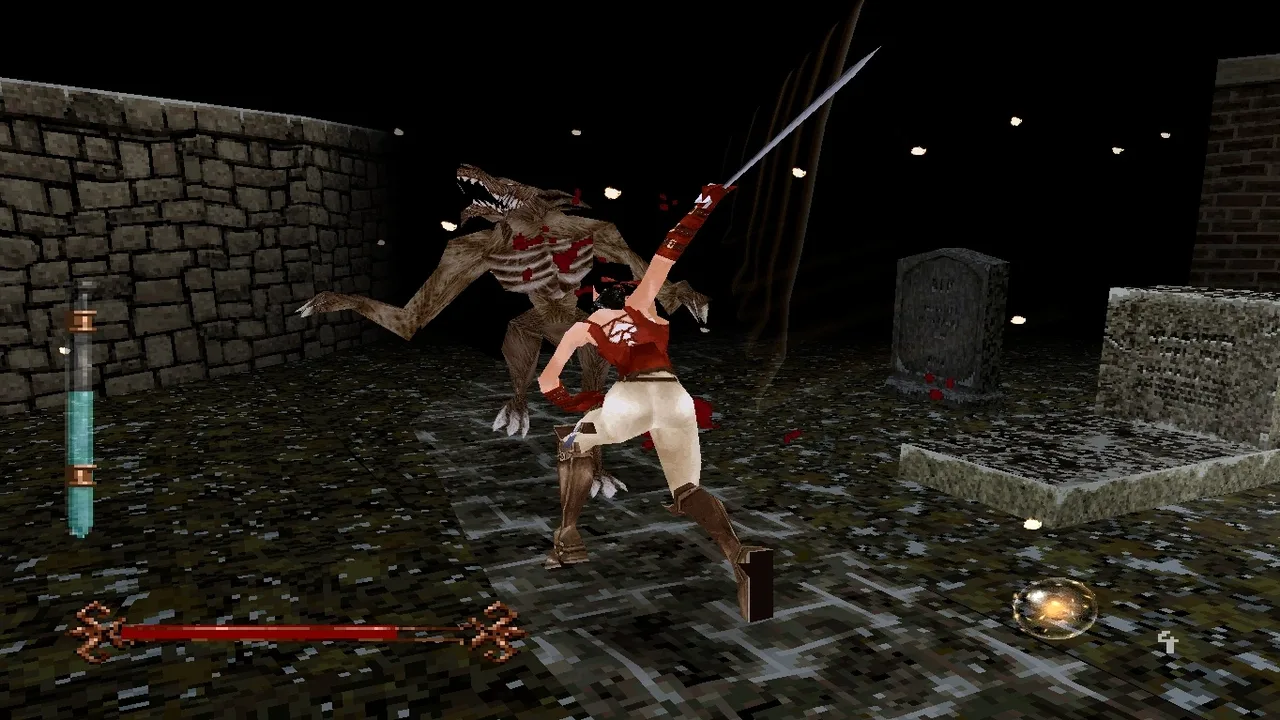
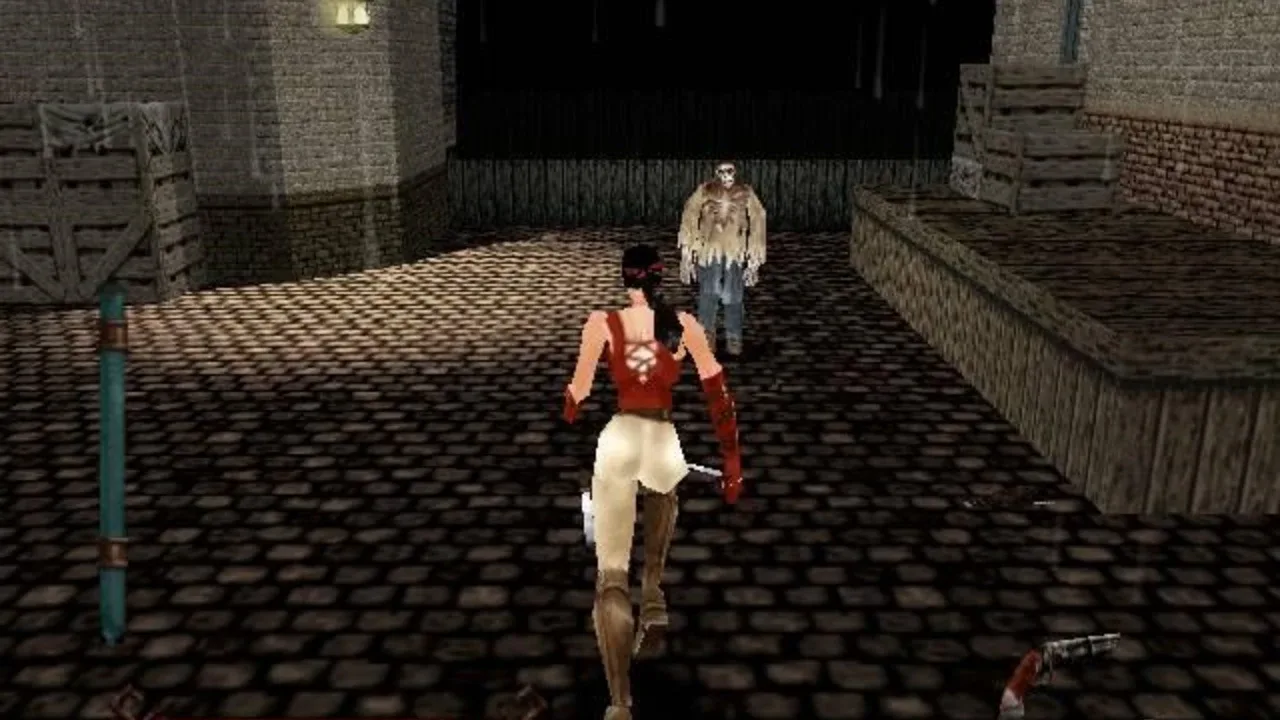
"Assume the role of Herbert Wallace, an escaped test subject, on the trail of the demonic scientist, Dr. Adam Crowley. After enduring years of horrific lab experiments, Wallace is out to settle the score in a chilling and bloody chase through London and Paris. Little does he know that exacting revenge on Crowley is also the last hope to save the world from a nightmarish demise."
The story behind Nightmare Creatures draws upon gothic horror elements of the 19th century. The story begins in 1666, when a devil-worshipping cult called the Brotherhood of Hecate were conducting sinister experiments in London so as to take over the city and then the world. The Brotherhood tried to develop an elixir that would endow them with superhuman powers. However, rather than creating their intended superhumans, their experiments created only grotesque monsters. When they decided to use these creatures as an army of conquest, one of their number, Samuel Pepys, set their headquarters on fire, resulting in the First Great Fire of London. The game takes place in 1834 when London falls victim to several evil occurrences. Monster sightings are reported along with news of people mutating into ungodly creatures, and that the dead are waking from their graves and walking amongst the living. All of London is in a panic and vulnerable to the schemes of Adam Crowley, a mad scientist and occultist enlisting the help of the Brotherhood.
Could be interesting
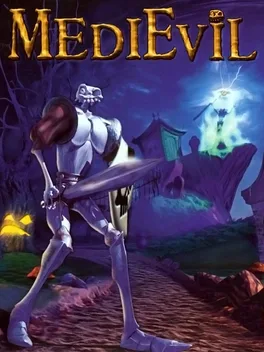
MediEvil is an action-adventure game developed by SCE Cambridge Studio and published by Sony Computer Entertainment. Originally released in 1998 for the PlayStation, the game follows Sir Daniel Fortesque, a skeletal knight accidentally resurrected to battle the sorcerer Zarok and save the kingdom of Gallowmere. The game takes place across a variety of levels, many of which require certain objectives to be performed to progress. Sir Daniel Fortesque can use a variety of weapons, consisting of close range weapons such as swords and clubs to long range weapons such as crossbows. Many of these weapons can be charged for a powerful attack and some weapons, such as the club, can be used to access areas that are otherwise inaccessible. When not possessing any items, Dan is able to rip his own arm off and use it for both melee and ranged attacks. Dan can equip a shield alongside weapons to defend against attacks; though they can only take several hits of damage before breaking. Throughout the game, Dan can visit gargoyle heads of two varieties; green ones offer Dan information while blue ones allow Dan to buy services or ammunition by using the treasures he finds. Dan's health is determined by a single health bar, which reduces when Dan is hit. It will deplete completely if Dan drowns or falls from a great height. If Dan completely runs out of health, the game will end. Dan can extend his maximum health by collecting Life Bottles, which will automatically refill his health bar if it drops to zero. Also hidden throughout the game are Life Vials and Life Fountains that can replenish Dan's health and fill up any empty Life Bottles Dan has. In each level, there is a hidden Chalice of Souls, which can be collected if the player fills it with enough souls from defeated enemies (some Chalices are awarded via other means). If the player clears a level with a Chalice in hand, Dan is warped to the Hall of Heroes, where he can speak to a legendary hero who will give him rewards, such as weapons. If the player finishes the game with all the Chalices, the game's true ending is revealed.
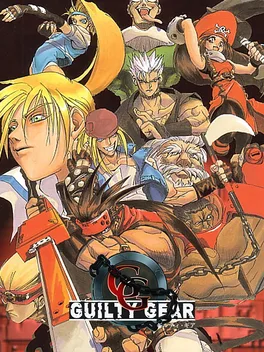
Guilty Gear is a 2D fighting game, in which you can play as one of 10 very different kind of characters. There is a selection of fighters from Holy Order knights, Armed Air Force soldiers, Mafia members and mad scientists. Each character has his/her own storyline that will be fully revealed during the final showdown. In battles, you can charge up for special attacks, as well as perform Deathblow moves, which would kill the opponent instantly. You can either choose to finish the Arcade mode, challenge your friends to a Versus battle, or either train your skills out in the Training mode.
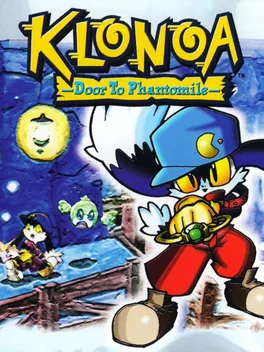
Klonoa: Door to Phantomile is a side-scrolling platform game viewed from a "2.5D" perspective. The player moves the protagonist, Klonoa, along a path in a two-dimensional fashion, but the game is rendered in three dimensions. This allows the path followed to curve and for the player to interact with objects outside of the path.
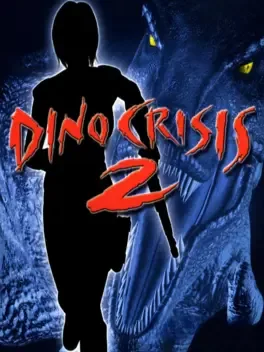
Dino Crisis 2 is a third-person action-adventure game and sequel to Dino Crisis. In a change from the survival horror theme of the first game, Dino Crisis 2 is more shoot 'em up oriented. The character always runs, removing the need for the run button from the first game; players can carry a second gun, and more weapons were added. Besides gameplay changes, the game also introduces new species of dinosaurs and lizards.

Bloody Roar, known as Bloody Roar: Hyper Beast Duel in Europe and Japan, is a fighting video game originally developed by Raizing (now Eighting) as an arcade game. It was later adapted for the PlayStation by Hudson Soft and published by Sony Computer Entertainment for the PlayStation. The arcade version was released on July 7, 1997 and was titled Beastorizer in North America. The PlayStation version was released in Japan on November 6, 1997, in North America (under the title Bloody Roar) on October 31, 1997 and in Europe on March 1998. Bloody Roar is the first game in the Bloody Roar video game series and was followed by four sequels on multiple platforms. The game's story centers on a group of warriors known as "zoanthropes", who have the power to transform into half-human half-animal "Beasts", and the Tylon Corporation, and underground organization that seeks to use zoanthropes as mind-controlled weapons. The game received generally positive reviews from critics for its originality and graphics, while the audio received mixed opinions. The game's success resulted in its re-release for The Best range on October 14, 1999. The game was re-released on the PlayStation Network in North America on August 20, 2009.

Remothered: Tormented Fathers is the first chapter of the long-awaited third person game trilogy. Playing as Rosemary, you will have to face psychopaths and fanatics. A web of lies where murders and obsessions come to life. A revolutionary experience created for survival-horror fans.
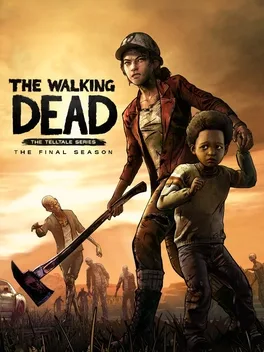
After years on the road facing threats both living and dead, a secluded school might finally be Clementine and AJ's chance for a home. But protecting it will mean sacrifice. In this gripping, emotional final season, your choices define your relationships, shape your world, and determine how Clementine's story ends.
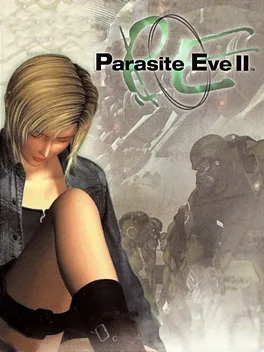
Parasite Eve II is an action role-playing survival horror video game released exclusively for the PlayStation. The game was developed by Square and published in Japan in 1999 and in both North America and, unlike the previous game, in PAL regions in 2000. It is the sequel to Parasite Eve and the second game in the series of the same name. Parasite Eve II is set several years after the events in the original game. The protagonist from the first game, Aya Brea, also features in this game as the playable character. She becomes involved with another outbreak of Mitochondrial creatures. Gameplay diverges from the previous game: battles take place in real time and the area of action is less restrictive. The approach is more typical of traditional survival horror games, although some role-playing elements are retained.
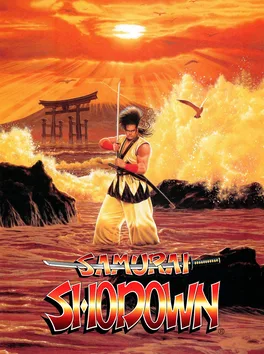
In early Japan, a man named Shiro Tokisada Amakusa preaches a heretic religion. Little does anyone know that Amakusa is really a servant of the evil Ambrosia, who took over Amakusa's body. Ambrosia wishes to shroud the world in darkness. Now, choose between 12 warriors (and 3 bonus characters) to fight for the honor of destroying Amakusa, and fulfilling a mission.
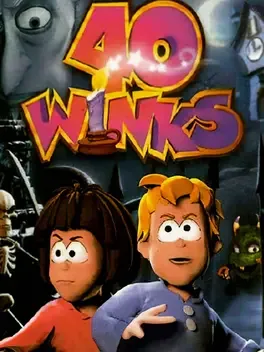
40 Winks (also known as "Ruff & Tumble") is a 3D action-platform game in which you play as Ruff or Tumble, two children who must battle ghosts, goblins and other monsters in their dream-world. They must try to capture 40 winks scattered around the world in order to stop an evil old man named Nitekap. Nitekap wants to turn the winks into hood-winks, the things responsible for nightmares. You also have to find the 12 dream keys to unlock the boss level. A unique aspect of the game allows the players to temporarily morph into different costumes with special abilities. The costumes include a Prehistoric Man, Jester, Super Hero, and Ninja.