
Rhapsody: A Musical Adventure



Buy
Part of collection:
Marl Kingdom
(last 3 games)
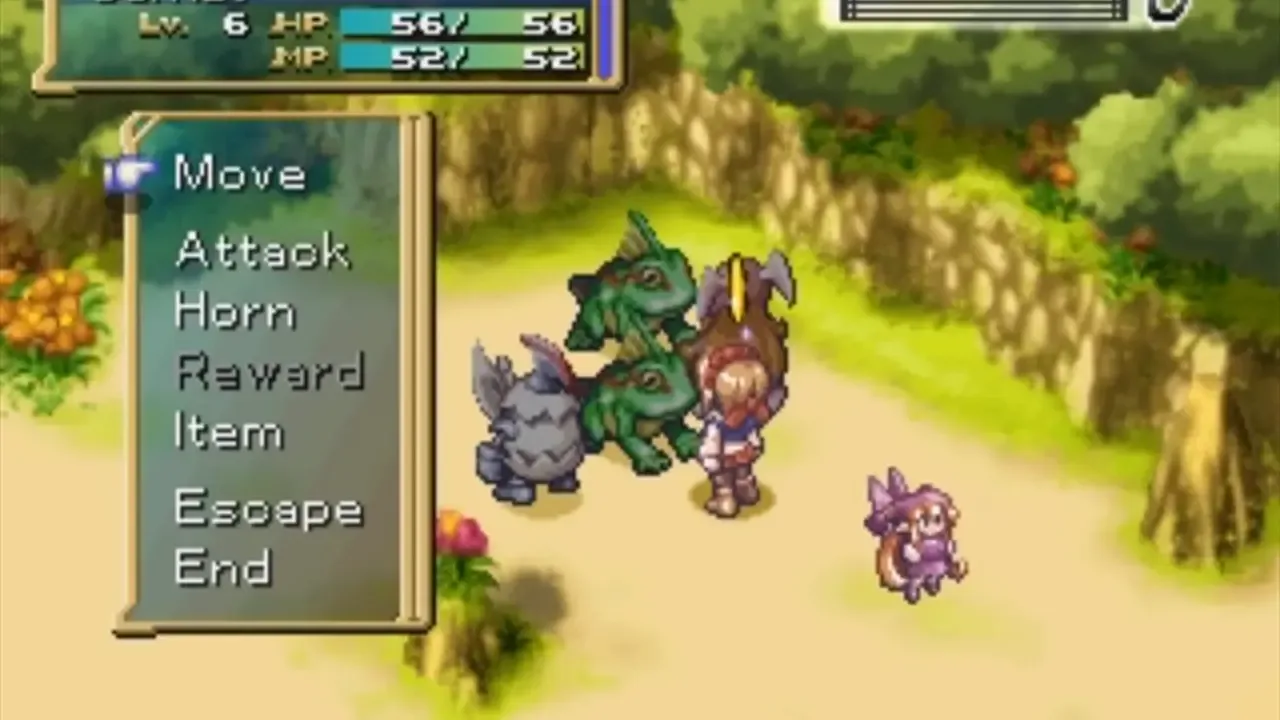
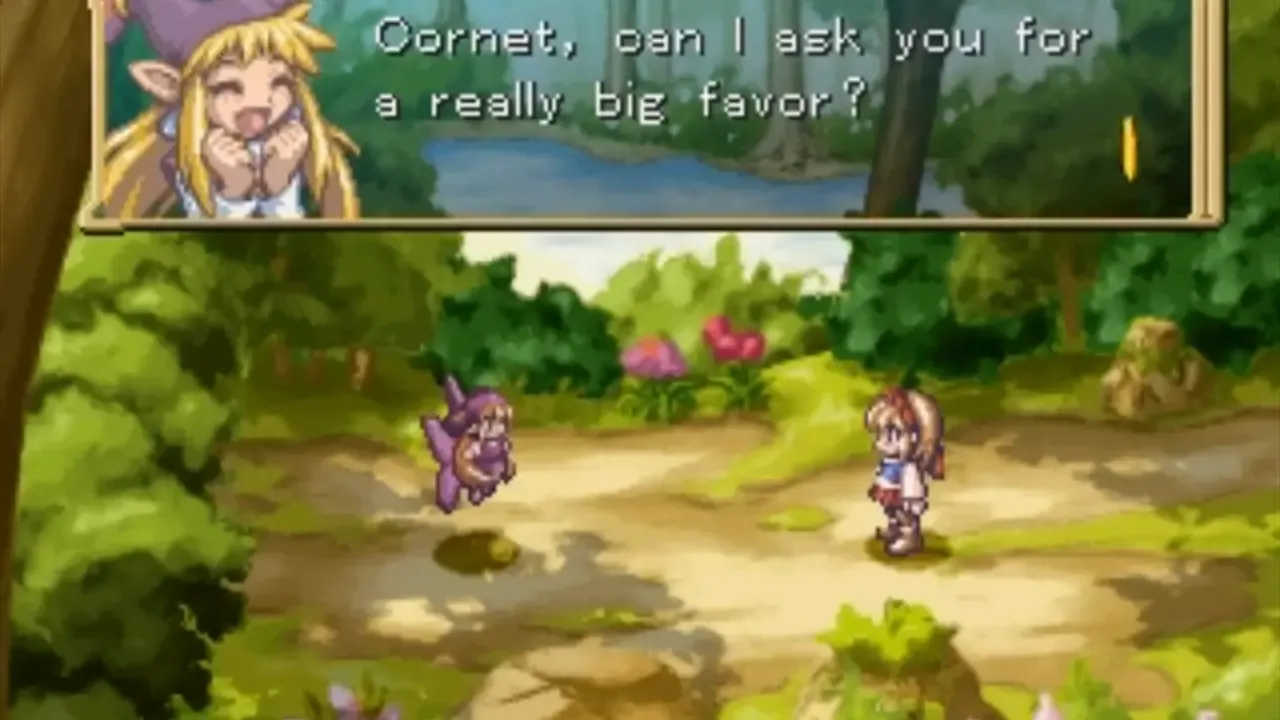
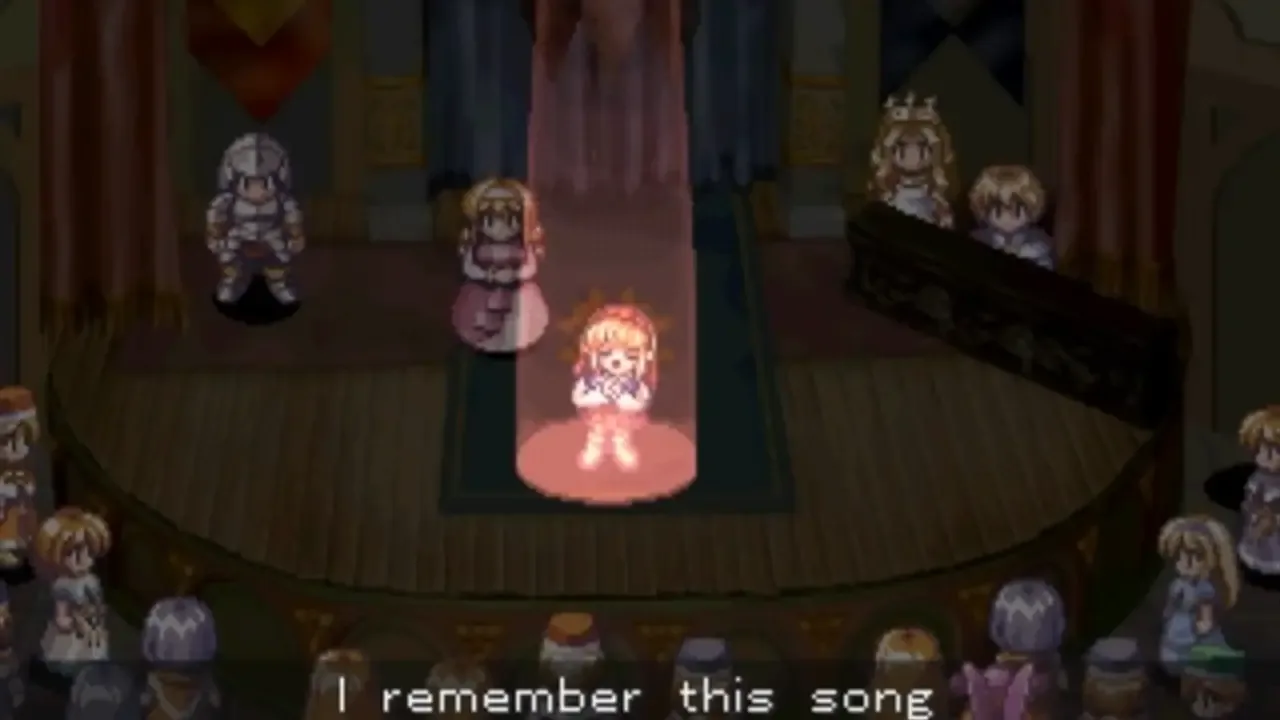
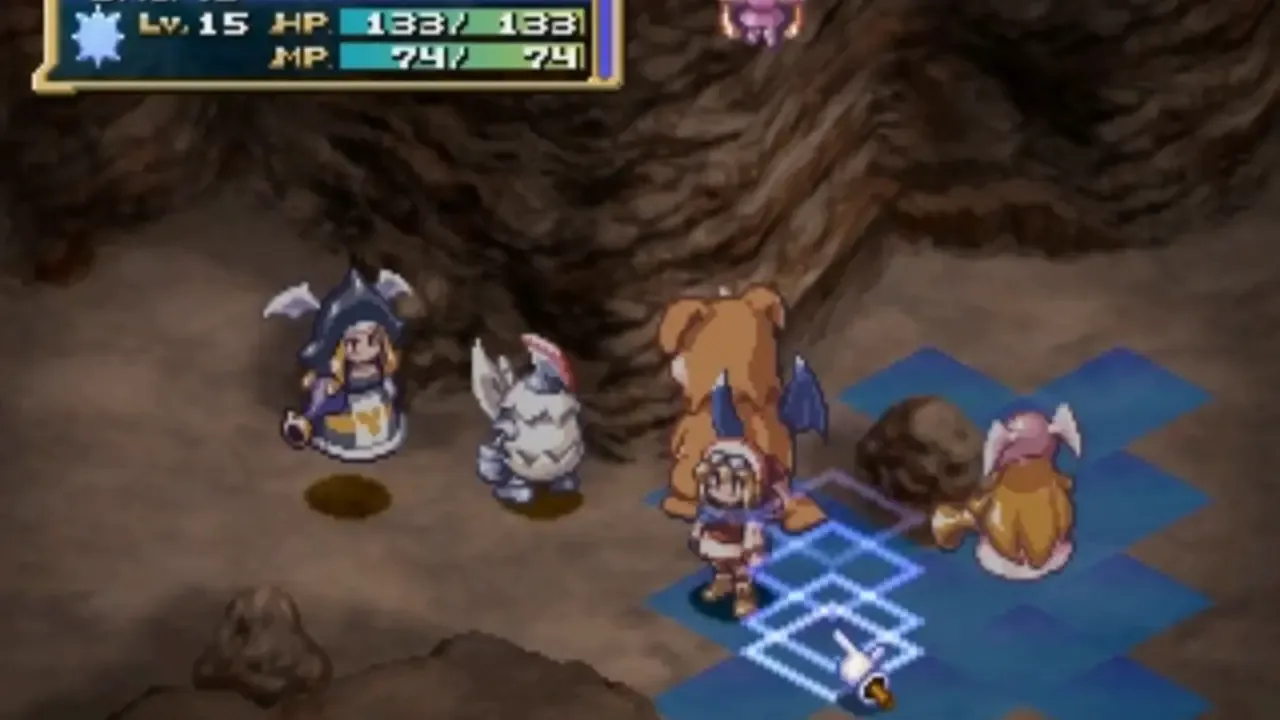
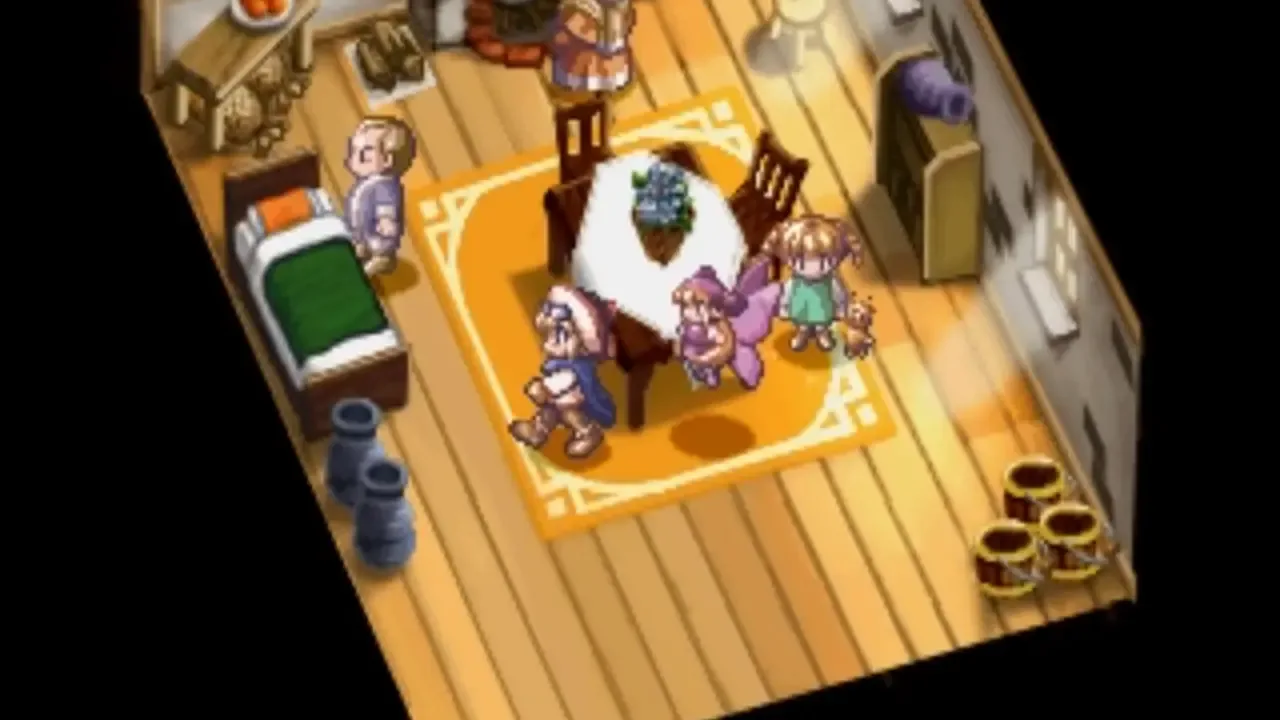
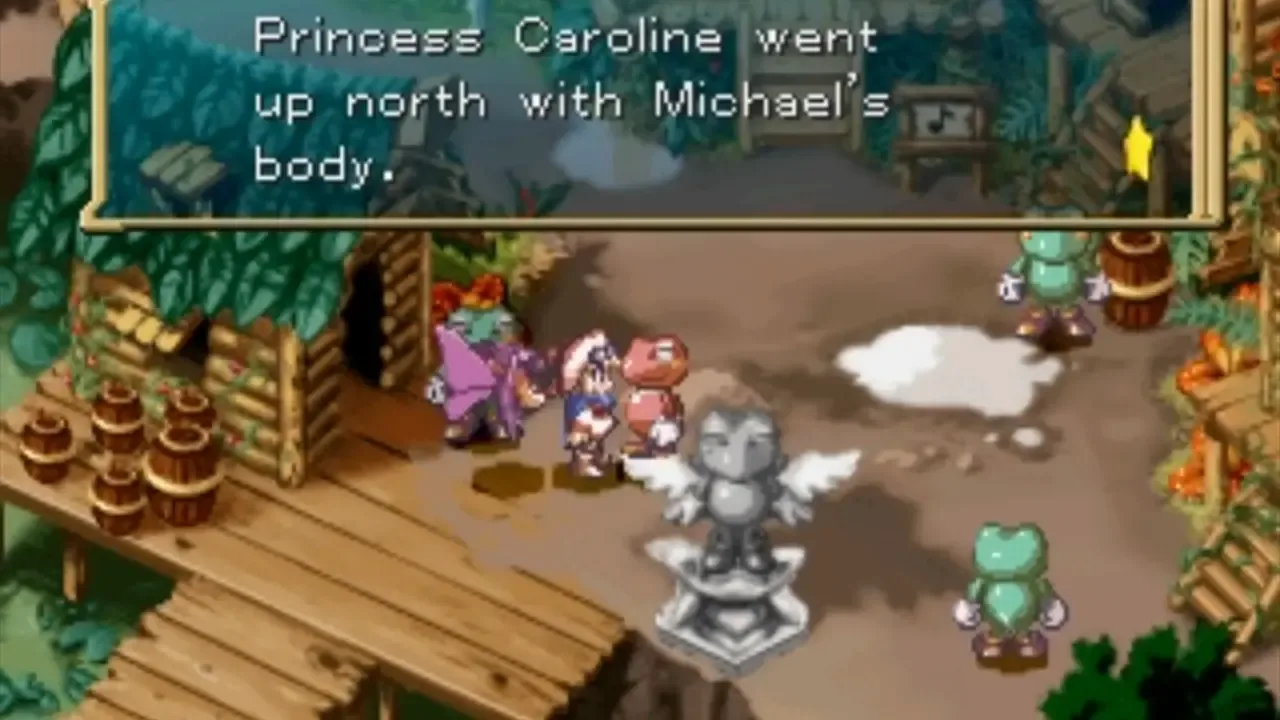
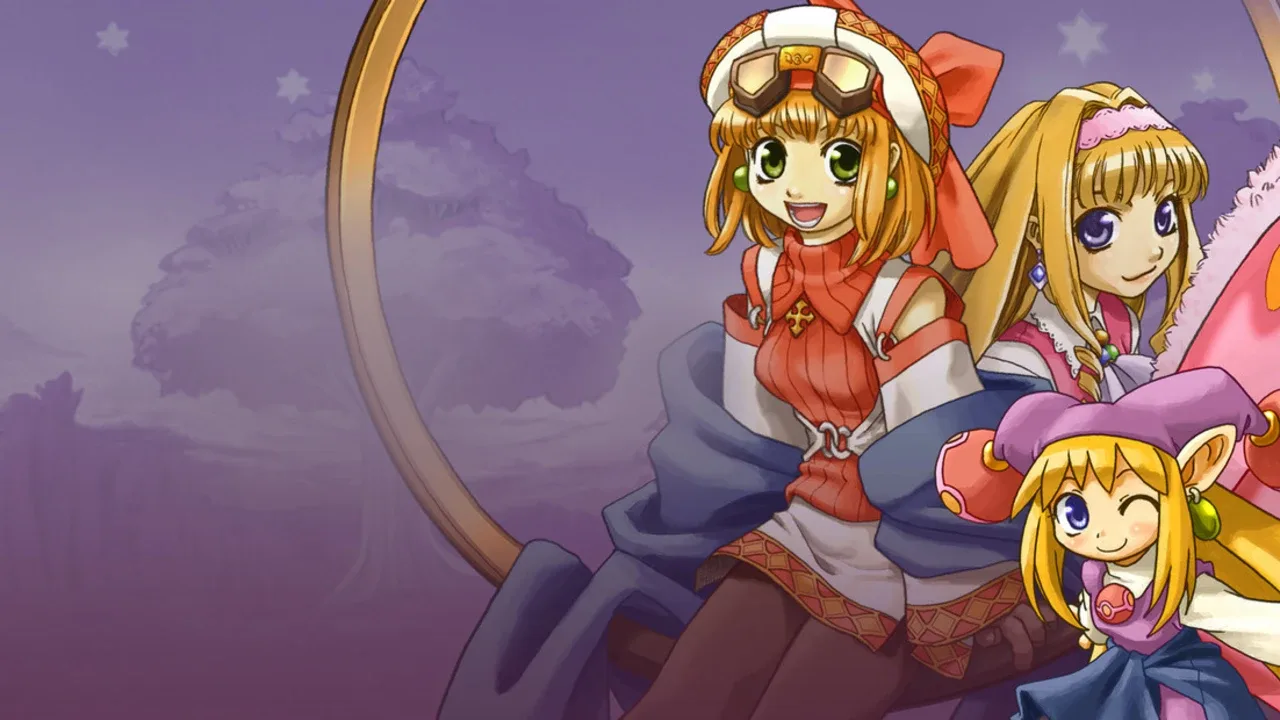
Enjoy the next verse of Marl Kingdom adventures with Rhapsody II: Ballad of the Little Princess and Rhapsody III: Memories of Marl Kingdom! Join Kururu, the daughter of Cornet and Ferdinand, as she pursues her dreams of true love, and experience these classic RPGs in full forte as they take center stage! With improved visuals, a heart-warming story, a charming soundtrack, and an emotional conclusion, Rhapsody: Marl Kingdom Chronicles comes ready to win your heart as it makes its welcome western debut!
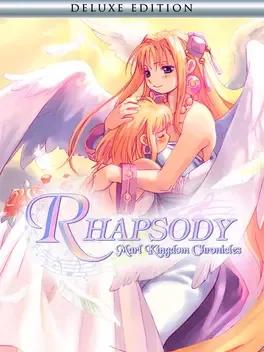
The Deluxe Edition includes: - The Game - Mini-artbook - Double-sided poster

Dive back into Mark Kingdom through a series of charming stories that concludes the tales of Rhapsody I and Rhapsody II!
Could be interesting

The popular light novel/anime series, Re:Zero - Starting Life in Another World - is coming as a Tactical Adventure game!

The Legend of Heroes: Trails in the Sky SC is the second installment in the main Trails series, serving as a direct sequel to the events of the The Legend of Heroes: Trails in the Sky. The game follows Estelle sets out to a new adventure, after completing some training by the Bracer Guild to prepare for that adventure. Comrades both old and new join your team in this story-driven RPG with new combat mechanics and other features that improve the gameplay experience from the first entry.
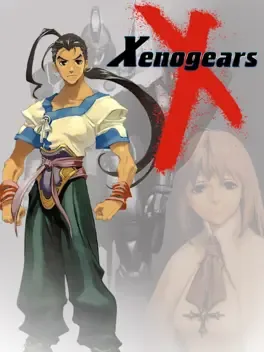
Xenogears Blends Authentic RPG Gameplay with Exquisite Hand-Drawn and Computer-Generated Animation in a Grand Science Fiction Tale. An intricate storyline involving many human and non-human characters will prove to captivate audiences of all ages. Players can rotate the amazingly detailed 3D gameplay maps 360 degrees, and have the ability to navigate around the environment by jumping and climbing. In battle, mega-robots can be controlled, adding great variety to play. A new real-time combat system eliminates restrictive menus, using button commands to provide fast-paced, intuitive action. Players can wield dramatic magical spells or engage in real-time polygonal robot vs. robot battles. Combined with dynamic camera angles and intense lighting effects, Xenogears is an experience that won't be forgotten.
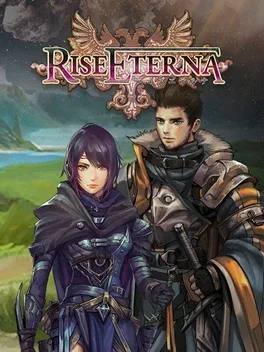
Follow the story of Lua and unveil the mysteries surrounding her origins in the tactical RPG, reminiscence of the 16-bit era Japanese strategy games. Recruit up to 14 characters with unique abilities and defeat your worst nightmare in epic fights.

It has all the features, flexibility, art, animation, and power you need to create an environment of your dreams. Choose from a selection of bonus cities and scenarios to rule or ruin as you please. Build schools, libraries, hospitals, zoos, prisons, power plants, and much more... Lay down roads, railways, and highways. Explore the underground layer and build subways and utilities without compromising your aesthetics. Customize different buildings or design your own graphics sets from scratch. This is the ultimate classic Maxis city-building and management simulation. If this game were any more realistic, it'd be illegal to turn it off!
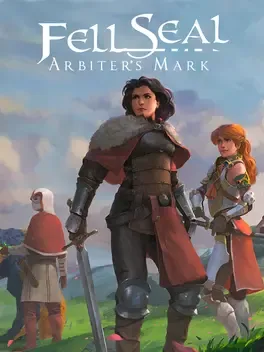
Fell Seal: Arbiter's Mark is a story-driven, turn-based tactical RPG set in a fantasy world with a touch of steampunk. Take control of the Arbiter Kyrie, an agent of the Immortal Council tasked with preserving stability and order throughout the land, and lead your troops through difficult encounters. Experience an epic and mature story, unfolding through over 40 story encounters and topped with challenging end-game content. Classic tactical combat battles, with rugged terrain and elevation, taking place on beautiful hand-drawn environments. A deep and complex class system with over 30 classes and 300 abilities lets you truly customize every one of your characters through the selection of their class, sub-class and passives. Carefully craft the character you envision, be it a versatile generalist, a dedicated spell-caster or a mighty foe-crushing specialist! Customize your troops' appearance your way, by selecting their portrait, outfit, colors and overall visuals from a wide selection. Equip your army with over 240 pieces of equipment, either purchased, gathered from fallen enemies or created from crafting.
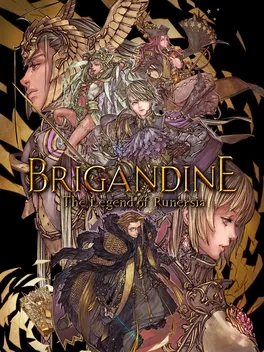
Enemy nations aim to conquer the continent as well and will attack your bases to do so. The battle for the continent will differ with each play through. Accumulate stories and events from the six nations in the Records. A new game based on the 1998 PlayStation game Brigandine, which was remade in 2000 as Brigandine: Grand Edition, that will probably be revealed as part of the 2019 Tokyo Game Show in September.

The Legend of Heroes: Trails of Cold Steel II is the seventh installment in the main Trails series, serving as a direct sequel to the events of The Legend of Heroes: Trails of Cold Steel. The game follows Rean Schwarzer to his hometown of Ymir with the assistance of bracer Toval Randonneur, but quickly finds himself and his loved ones caught in the crossfire of the war. Game progression is no longer tied to the school schedule structure of the original, with the game now centered around traveling the world rather than attending classes. If the player has a completed game save file from the prior game, it has an effect in Cold Steel II, with certain events and dialogues playing out differently based on choices and relationships built in the first game.

Suikoden is a Japanese-style role-playing game with several unusual additions. There are three kinds of combat in the game, the most common one being the traditional turn-based party combat (players can have up to six people in their active party). Magic runes can be equipped on the player's characters which allow limited usage of offensive and healing spells. There are also a few army battles, where the player must control whole units of fighters, archers, magicians, etc., and one-on-one fights (duels).
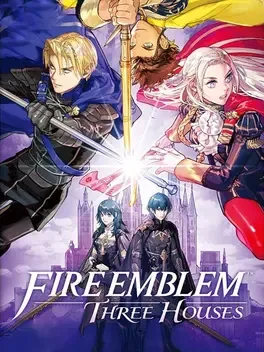
Fire Emblem: Three Houses is a tactical role-playing game developed by Intelligent Systems and Koei Tecmo for the Nintendo Switch. Players take the role of a professor at Garreg Mach Monastery, where they teach and guide one of three student houses. Gameplay combines turn-based battles, character development, exploration, and relationship-building.