
Tempest



Buy
Part of collection:
Tempest
(last 3 games)
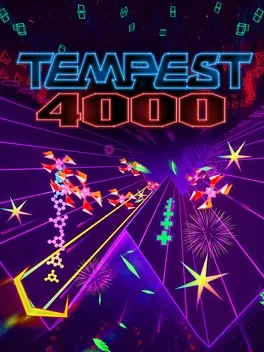
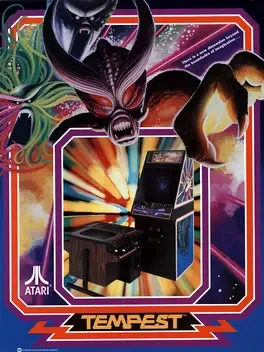
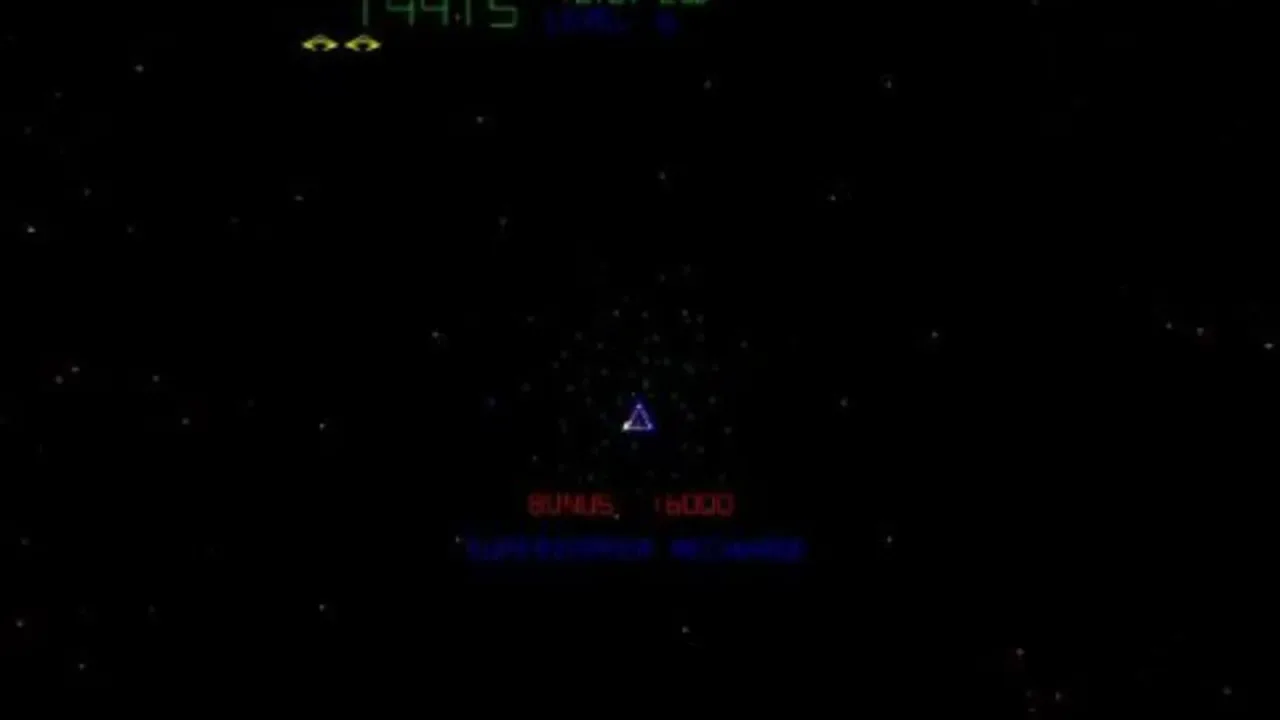
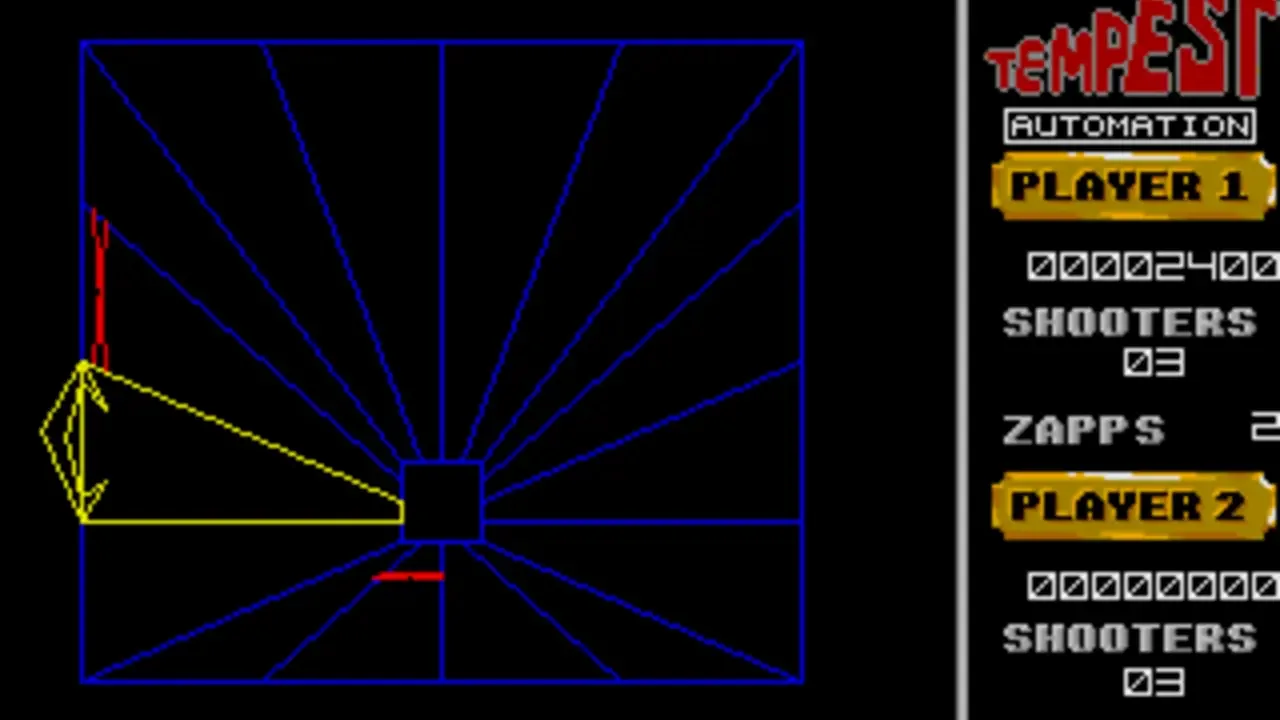
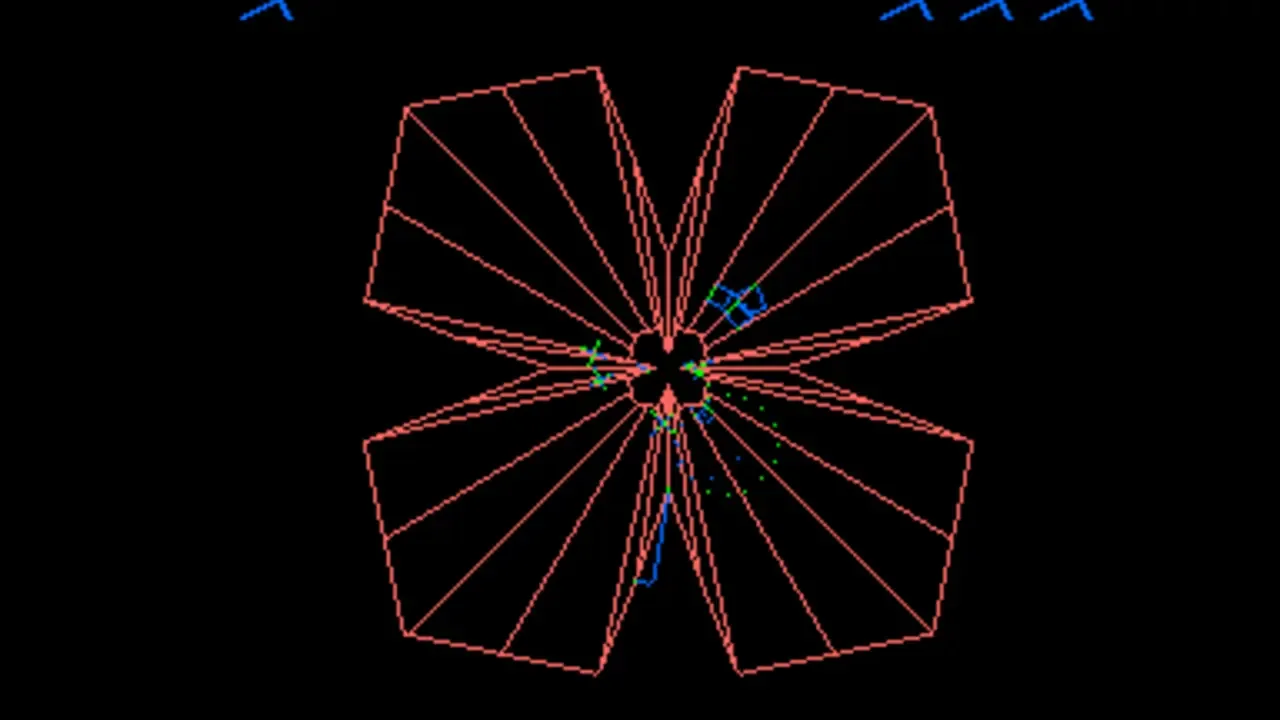
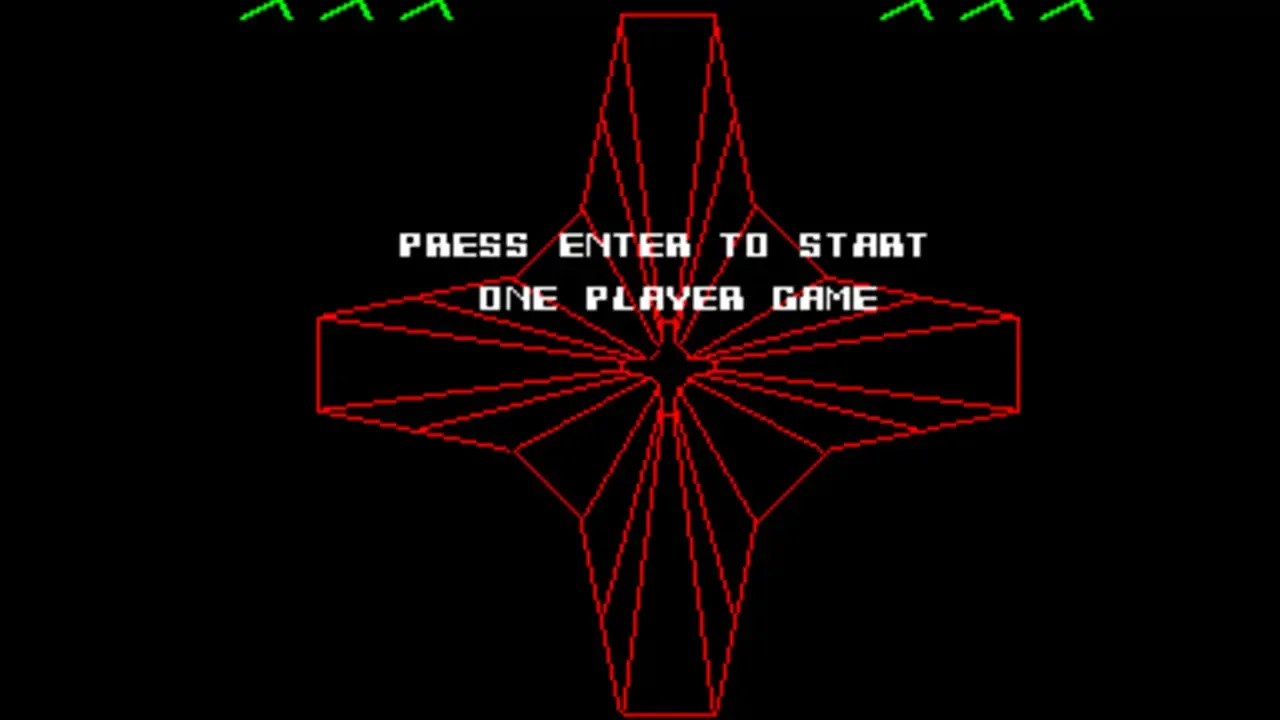
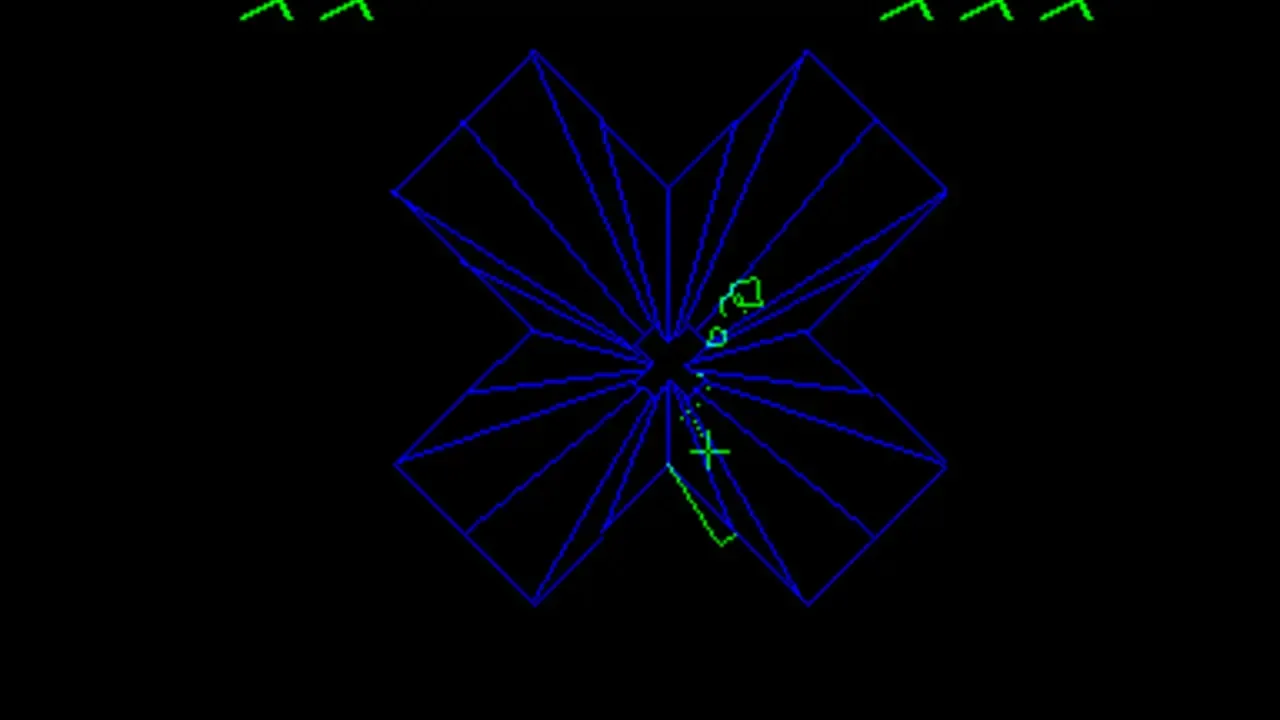
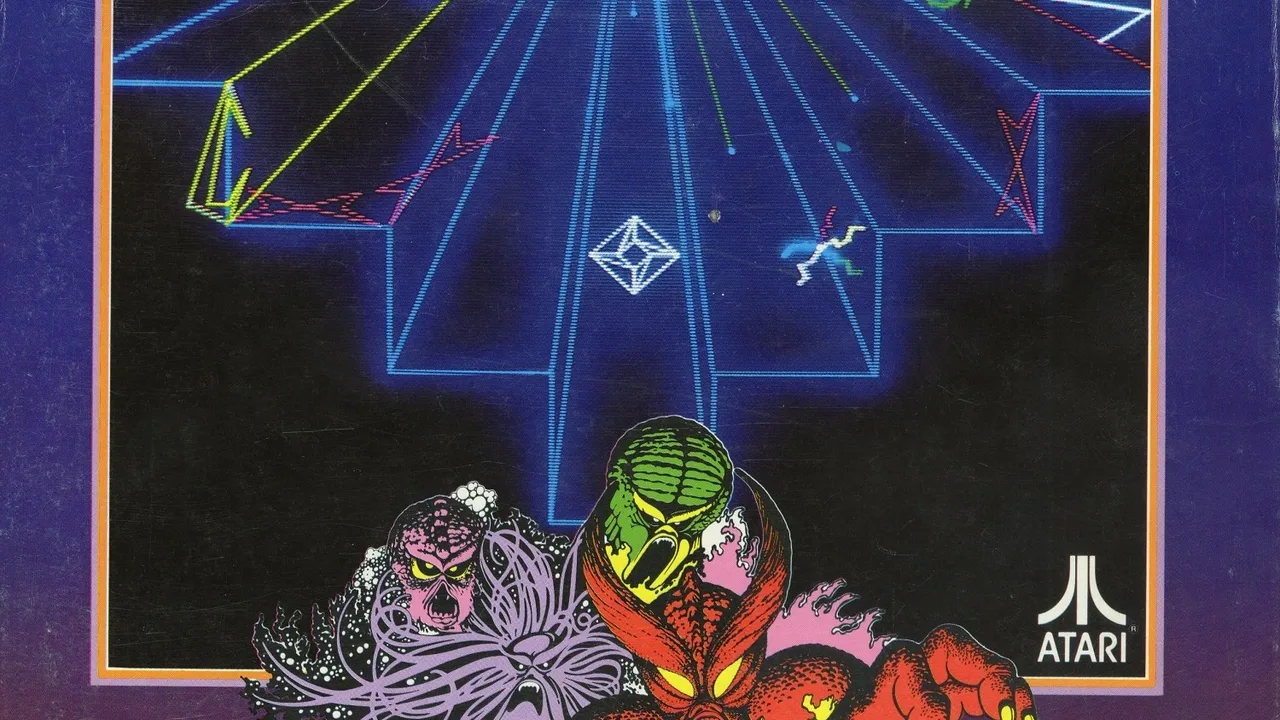
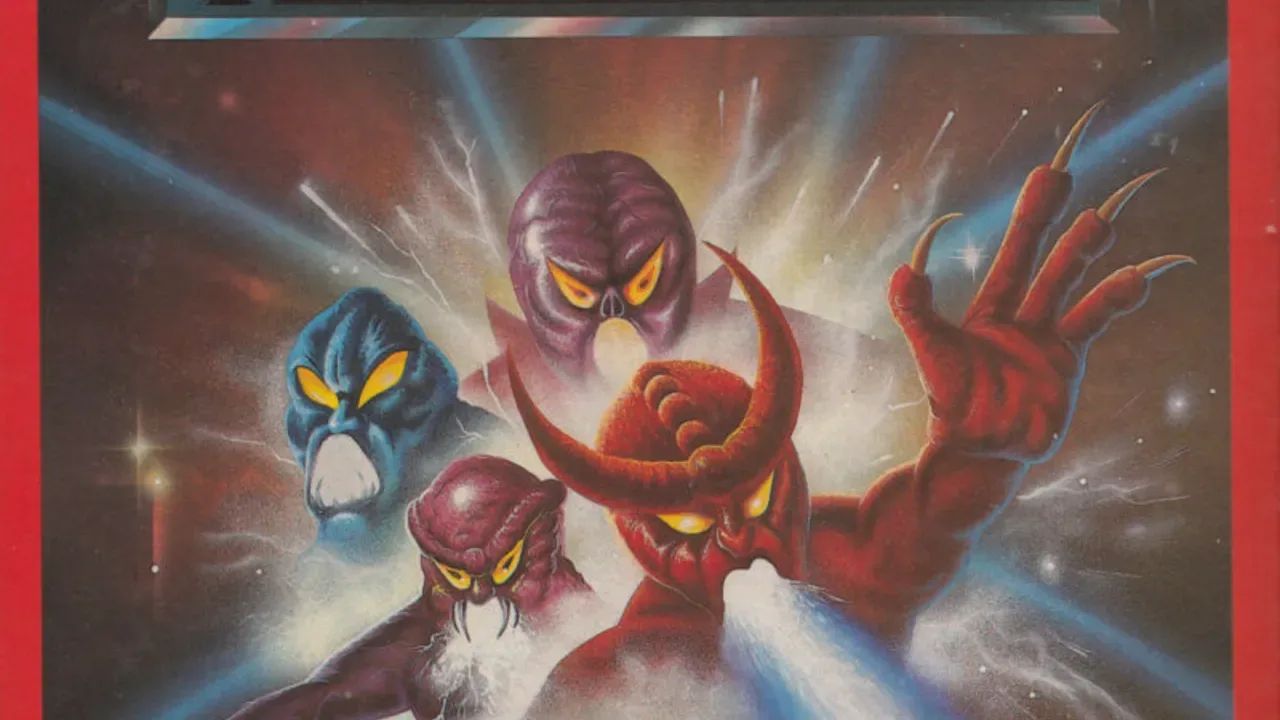
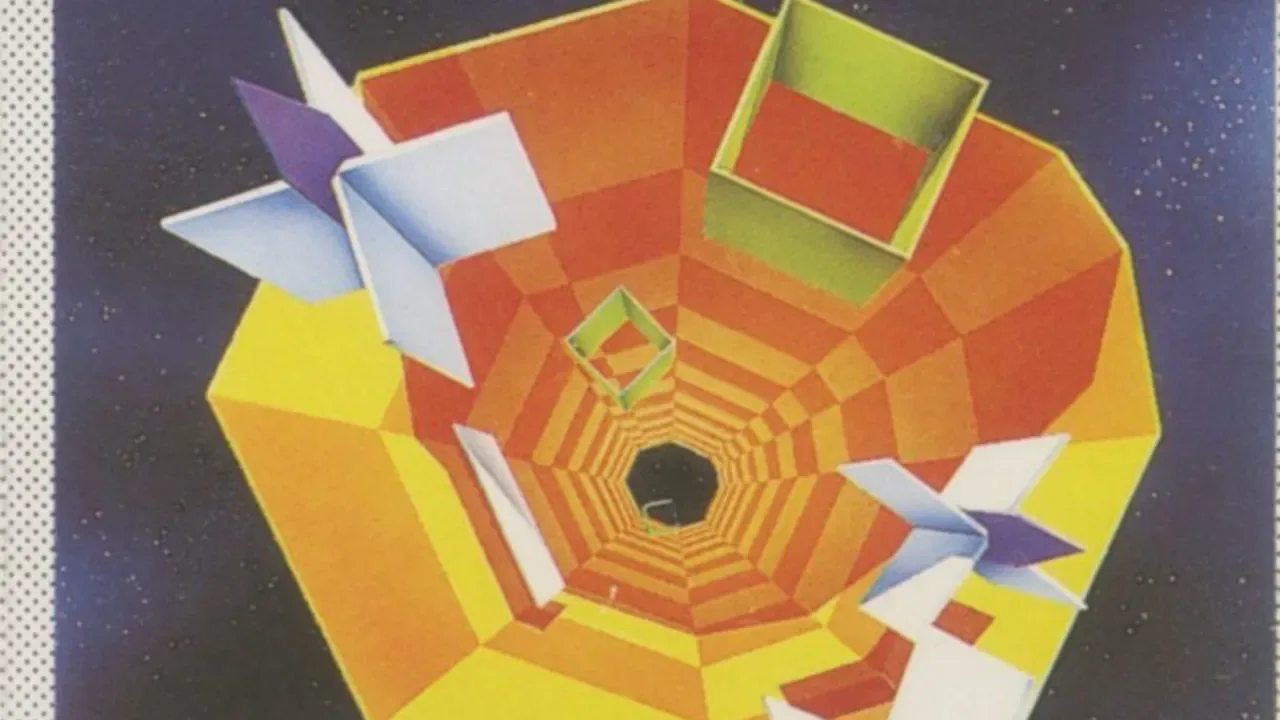
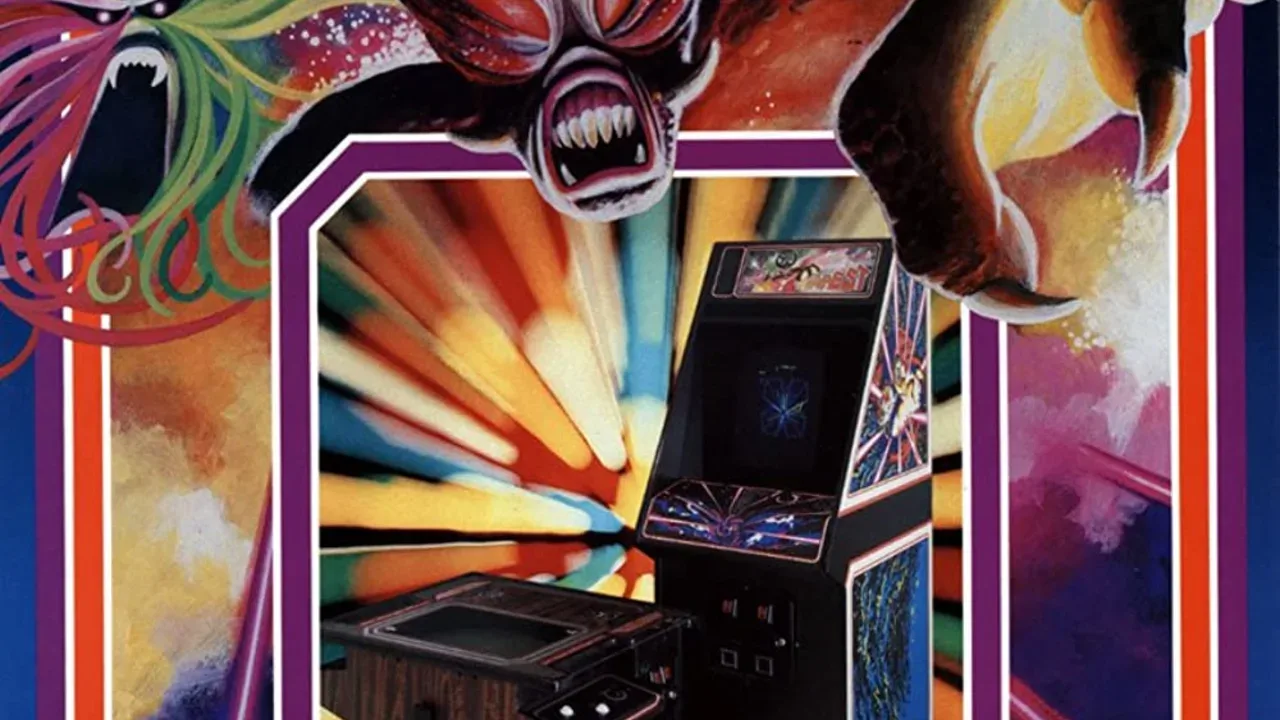
In Tempest 4000, players are once again in control of the Claw, a powerful spacecraft equipped to destroy deadly creatures and other obstructions with rapid-fire shots on vibrant geometric prisms. With three game modes to choose from and 100 levels to conquer, players must eliminate all enemies as quickly as possible to survive and achieve that coveted spot at the top of the leaderboards.
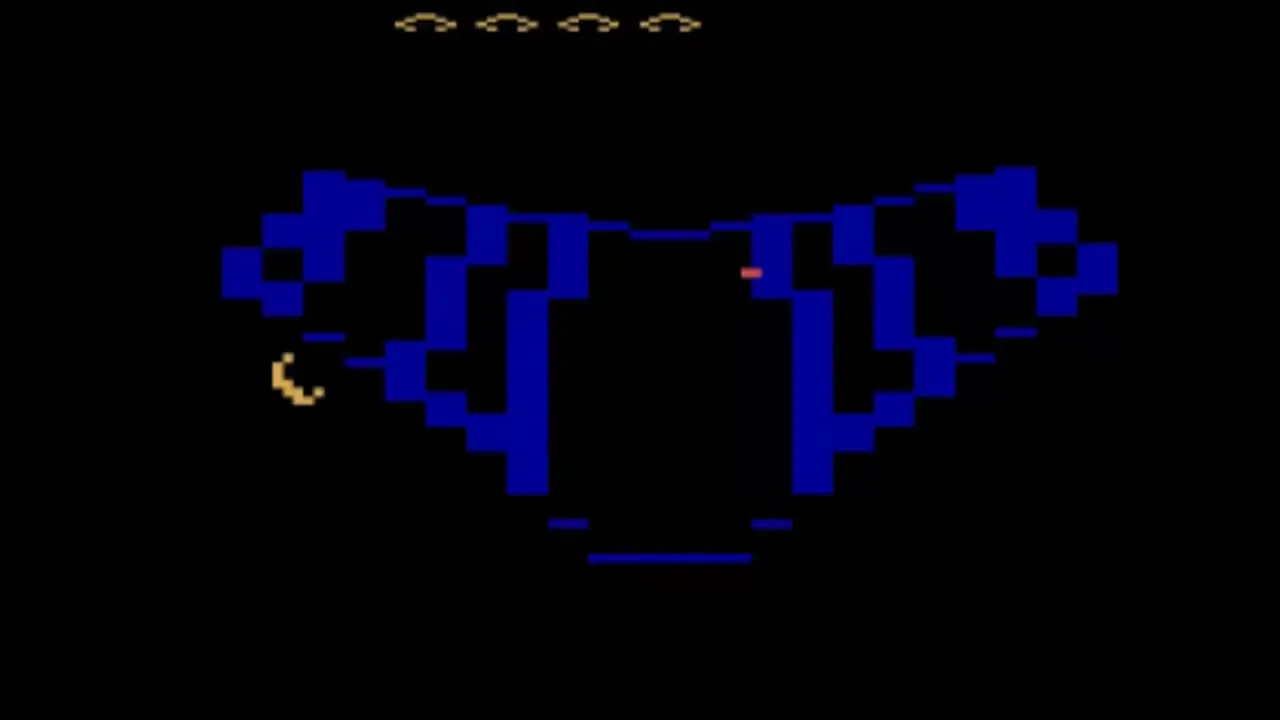
Atari 2600 port of Tempest. It was previously unreleased.

From the acclaimed designer of Tempest 2000 comes the system-shocking shooter TxK. The game draws on the spirit of the classic T2K, extending and enhancing it using the fantastic graphical power of the PS Vita system. TxK brings players new terrains, new bonus rounds, new enemies and weapons, all blazing on your screen with color and light in a graphics display designed to fit the sensory-overload gameplay, and backed by original music by an array of musicians.
Could be interesting
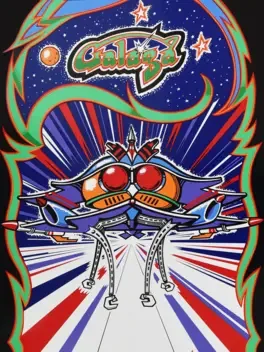
The objective of Galaga is to score as many points as possible by destroying insect-like enemies. The player controls a starfighter that can move left and right along the bottom of the playfield. Enemies swarm in groups in a formation near the top of the screen, and then begin flying down toward the player, firing bombs at the fighter. The game ends when the player's last fighter is lost, either by colliding with an enemy or one of its bullets, or by being captured. Galaga introduces a number of new features over its predecessor, Galaxian. Among these is the ability to fire more than one bullet at a time, a count of the player's "hit/miss ratio" at the end of the game, and a bonus "Challenging Stage" that occurs every few levels, in which a series of enemies fly onto and out of the screen in set patterns without firing at the player's ship or trying to crash into it. These stages award a large point bonus if the player manages to destroy every enemy. Another gameplay feature new to Galaga is the ability for enemies to capture the player's fighter. While the player is in control of just one fighter, a "boss Galaga" (which takes two shots to kill) periodically attempts to capture the fighter using a tractor beam. If successful, the fighter joins the enemy formation. If the player has more lives remaining, play resumes with a new fighter. The captured fighter flies down with the enemy that captured it, firing upon the player just like normal enemies, and can be shot and destroyed. The player can free the fighter by destroying the boss Galaga while in flight, causing the captured fighter to link up with the player's current fighter, doubling his or her firepower but also making a target twice as large. Galaga has an exploitable bug that can cause the attackers to stop firing bullets at the player, due to a coding error. In addition, similar to the famous "Split-Screen bug" in Pac-Man, a bug exists in Galaga in which the game "rolls over" from Level 255 to Level 0. Depending on the difficulty setting of the machine, this can cause the game to stall, requiring that the machine be reset or power-cycled in order to start a new game.
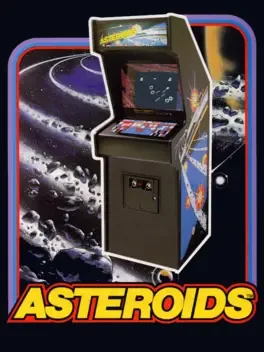
Asteroids is an arcade space shooter released in November 1979. The player controls a spaceship in an asteroid field which is periodically traversed by flying saucers. The objective of the game is to destroy both, asteroids and saucers. The triangular ship can rotate left and right, fire shots straight forward, and thrust forward. Once the ship begins moving in a direction, it will continue in that direction for a time without player intervention unless the player applies thrust in a different direction. The ship eventually comes to a stop when not thrusting. The player can also send the ship into hyperspace, causing it to disappear and reappear in a random location on the screen, at the risk of self-destructing or appearing on top of an asteroid.
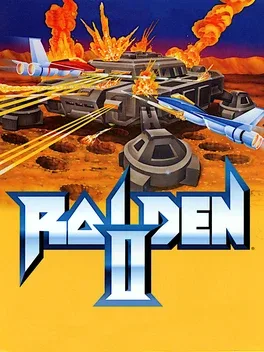
Excellent sequel to the classic original "Raiden". As in the original, players control a fighter jet/spaceship through various levels while shooting down other planes and bombing tanks on the ground.
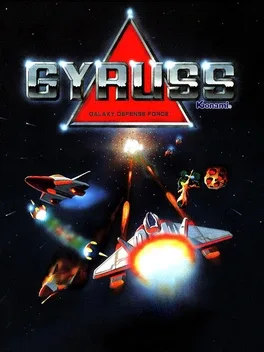
Gyruss is a shoot 'em up video arcade game developed by Konami, and released in 1983. It was designed by Yoshiki Okamoto, who had earlier created Time Pilot for Konami. Gyruss was licensed to Centuri in the United States, and was ported to numerous games consoles and home computers. It follows in the tradition of space war games such as Space Invaders and Galaga. Gyruss was the second and last game Yoshiki Okamoto designed for Konami, after Time Pilot. Due to pay disputes, he was fired after the release of this game, and soon joined Capcom, where he would write 1942 and the first Street Fighter game. The game's background music is an electronic, fast-paced arrangement of J. S. Bach's Toccata and Fugue in D minor, BWV 565; this particular arrangement is similar in sound to "Toccata", a rock arrangement by the UK-based instrumentalist group Sky. Gyruss is notable for using stereo sound, which according to the bonus material for Konami Arcade Classics, was achieved by utilizing discrete audio circuits. The game used three microprocessors: two Z80 microprocessors and one 6809, as well as an 8039 microcontroller. For the sound, five AY-3-8910 PSG sound chips and a DAC. Gyruss was released in both upright and cocktail cabinets. R.Hirst "KOO", M.Jones, "BOX" and the Elliott Brother's are arguably considered some of the best Gyruss players of the 1990's.
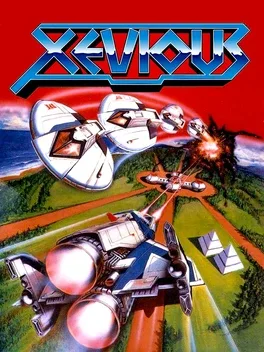
It's a nightmare, but it's true! Research shows that we are the actual aliens on Earth, and the ruthless Xevions are the original inhabitants. Now the Xevions want Earth back -- minus humans! Their invasion forces are fierce -- the land is crawling with deadly Domogram Rovers; the sky is black with Toroid Patrol Fleets and Zoshi Death Squads. Our puny weapons offer no defense. Earth's only hope is our powerful new Solvalou Fighter Plane. Its pilot will have a single mission: Penetrate the enemy ranks and destroy the Xevious Mother Ship. The mission is dangerous. We can't guarantee success. But at this point, it's do or die! One small problem. We still need a pilot. Any volunteers?
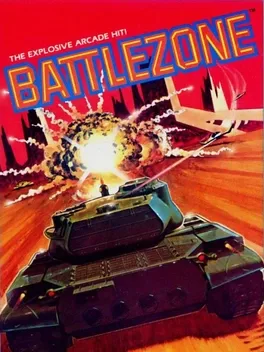
Battlezone is an arcade game from Atari released in November 1980. It displays a wireframe view (using vector graphics rather than raster graphics) on a horizontal black and white (with green and red sectioned color overlay) vector monitor. Due to its novel gameplay and look, this game was very popular for many years. Throughout the 1980s, Battlezone was ported to several home computer systems (usually on the Atarisoft label), including the Apple II, the Commodore 64, the Sinclair ZX Spectrum, and the Atari XEGS. The Atari ST port contains large parts of the original 6502 code which is emulated in real time. An Atari 2600 port was also released, but has colored raster graphics due to limitations and the view is behind the tank rather than inside it.

In this shoot 'em up the player has to fight off four assault waves consisting of different enemy types until he reaches a huge UFO. After destroying the protective plates guarding the UFO's pilot in his cockpit the player can kill the pilot. The game starts anew with harder enemies.
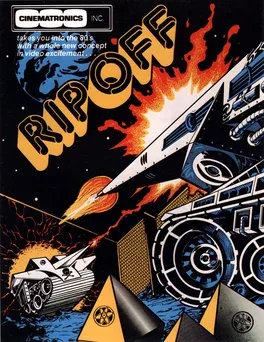
Rip-Off is a vector shoot 'em up released in arcades by Cinematronics in 1980. It is the first shoot 'em up arcade game to feature cooperative gameplay and the first game to exhibit "flocking" behavior. The objective is to prevent computer-controlled enemies from stealing eight canisters set in the center of the screen. One or two players control tank-like vehicles while game-controlled "pirate" tanks rush onto the field and attempt to drag the canisters off the edge of the screen. Enemies can be defeated by shooting or colliding with them. The game speed and difficulty increase with each successive wave until all the canisters have been taken ("ripped off").
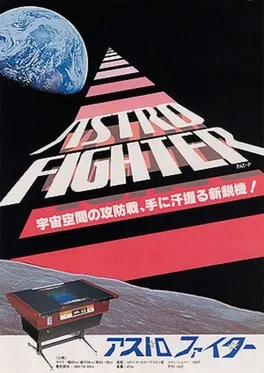
The game of Astro Fighter consists of 4 waves and a refueling stage, which are then repeated with increasingly higher difficulty. The player's task is to eliminate the four successive waves of different types of attacking craft, while avoiding being hit by missiles and bombs, and then refuel by shooting the 'GS' ship before repeating the process. The player starts with 3 lives and receives a bonus life on reaching a score of 5000. 300 bonus points are received for shooting each 6 falling bombs and for 950 for hitting the GS ship accurately on the first shot. A very large bonus of 10,000 is given for getting through 4 waves and refueling by using exactly 2 shots more than the minimum needed. As the higher levels of Astro Fighter are difficult to survive consistently, even for the best players, the highest scores have been achieved by the achieving the 10,000 bonus deliberately.
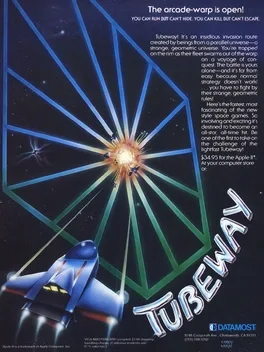
A Tempest inspired shoot'em up written by David Arthur Van Brink and published by Datamost for the Apple II.