
Asteroids



Buy
Parent game
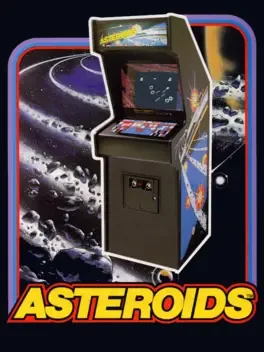
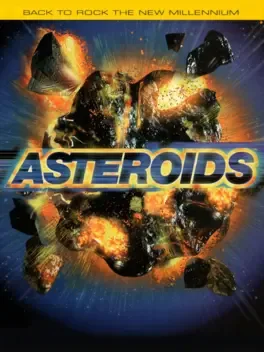
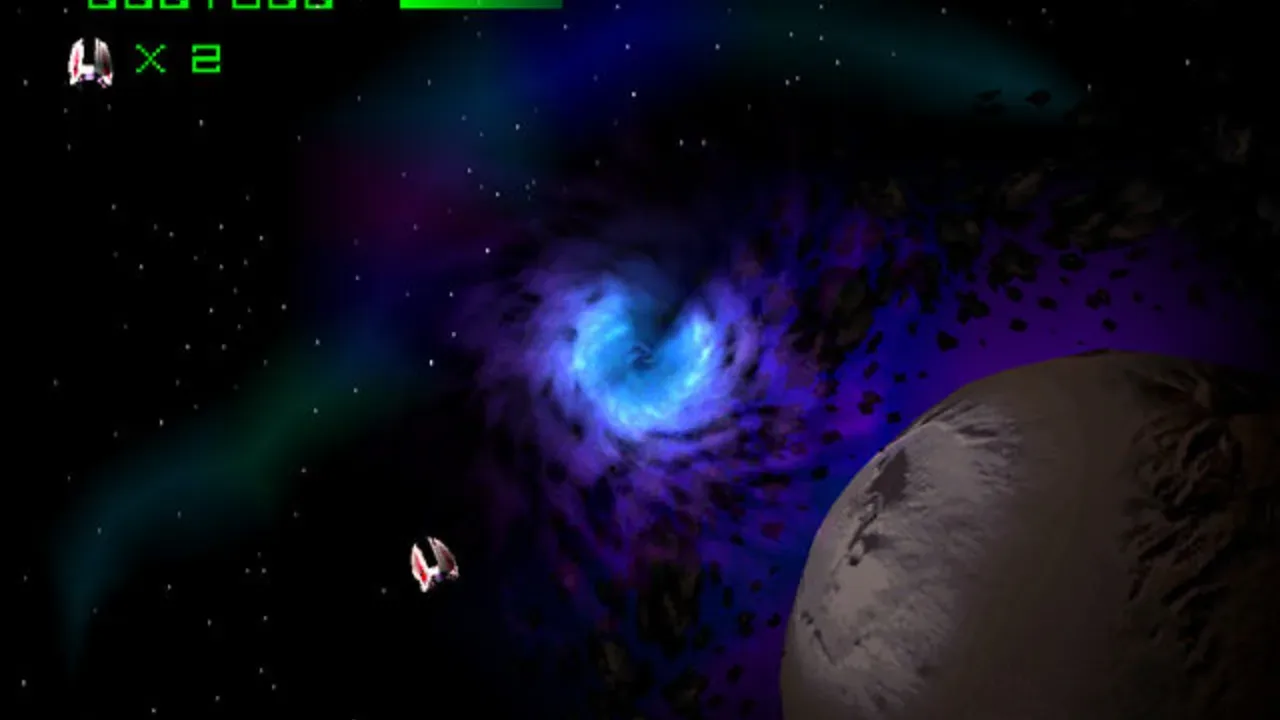
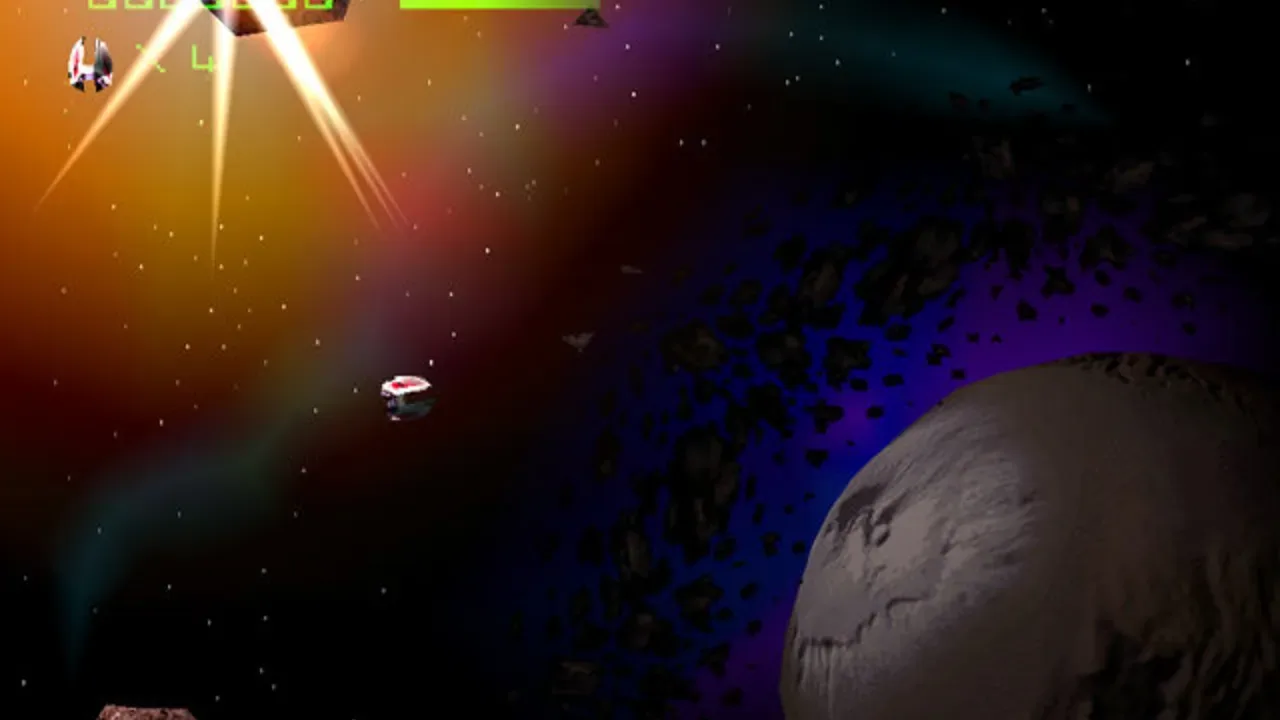
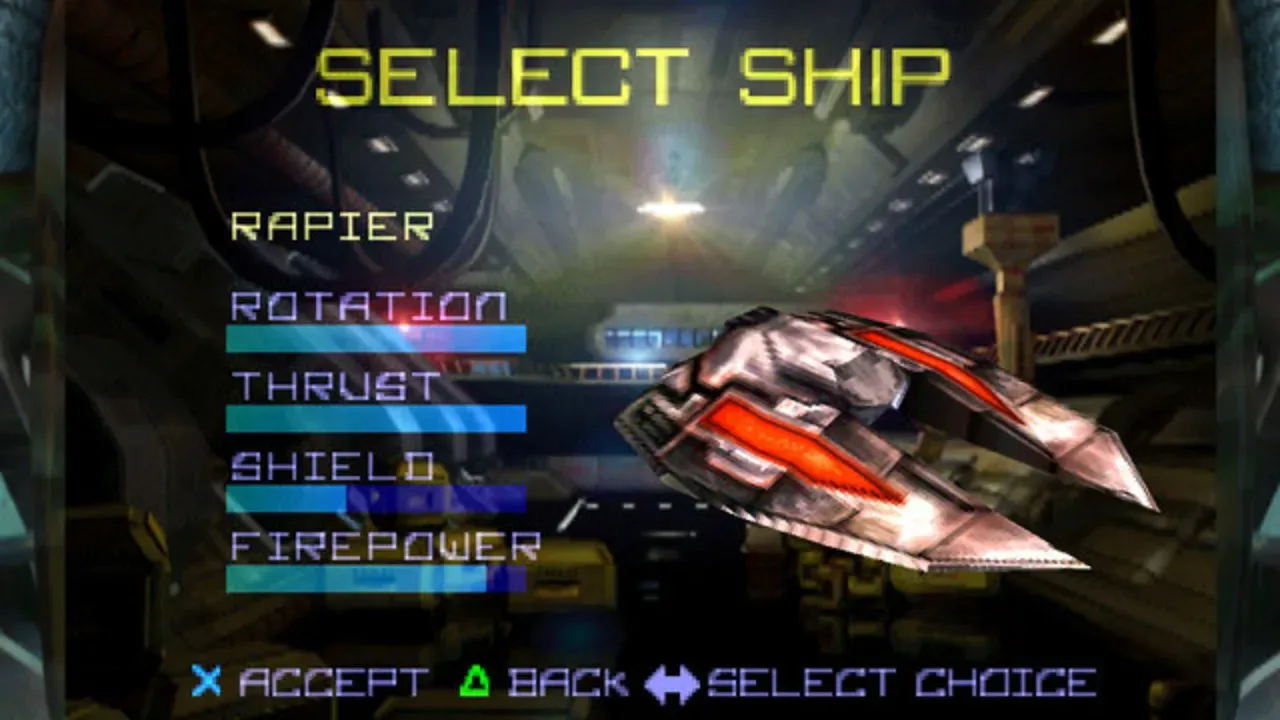
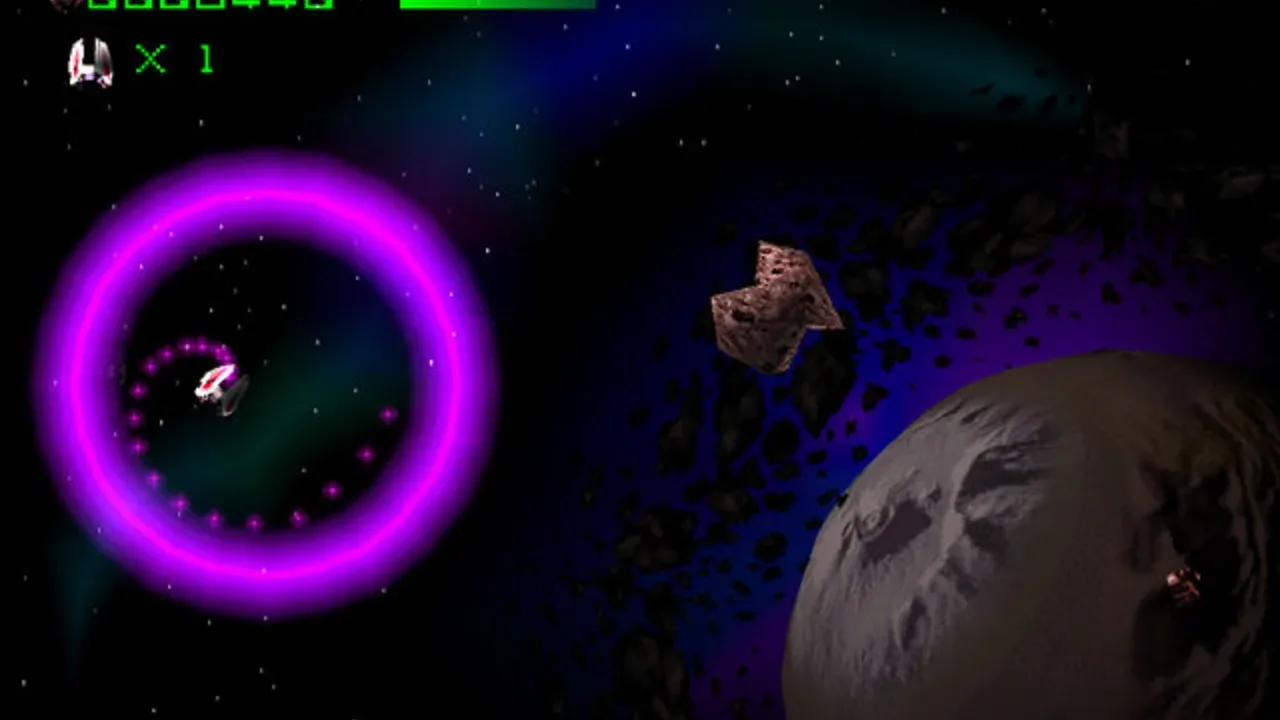
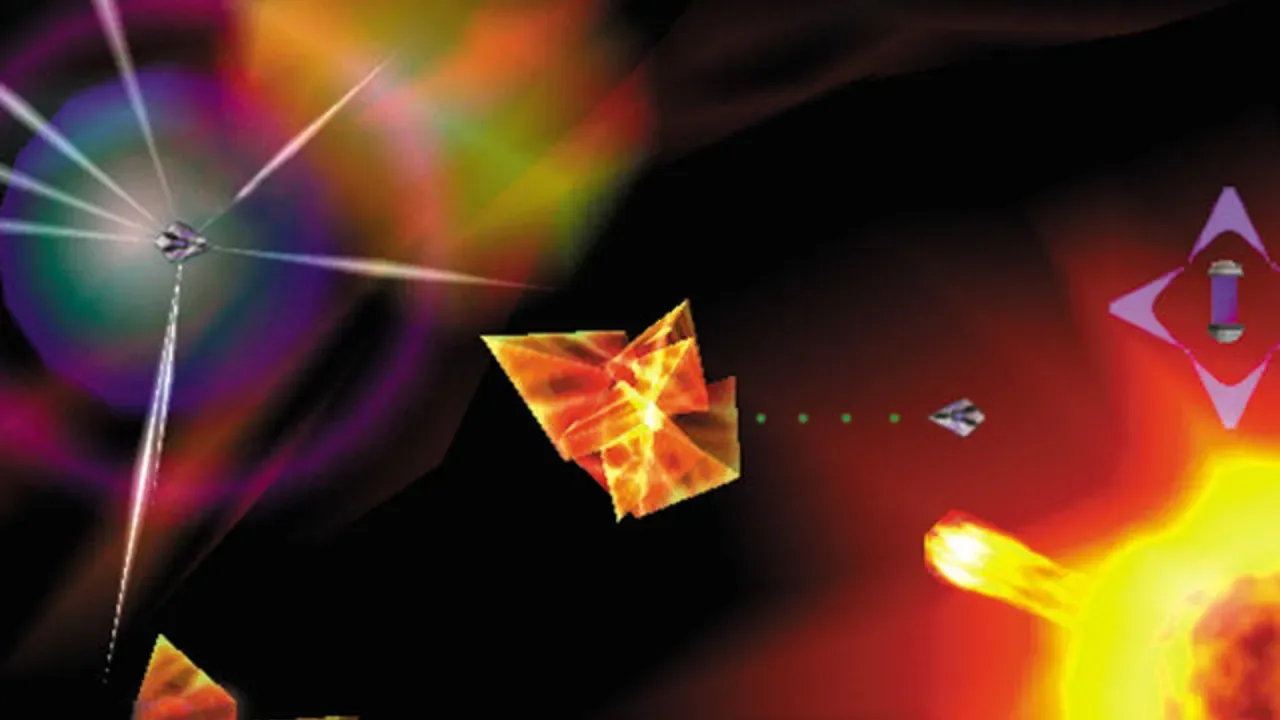
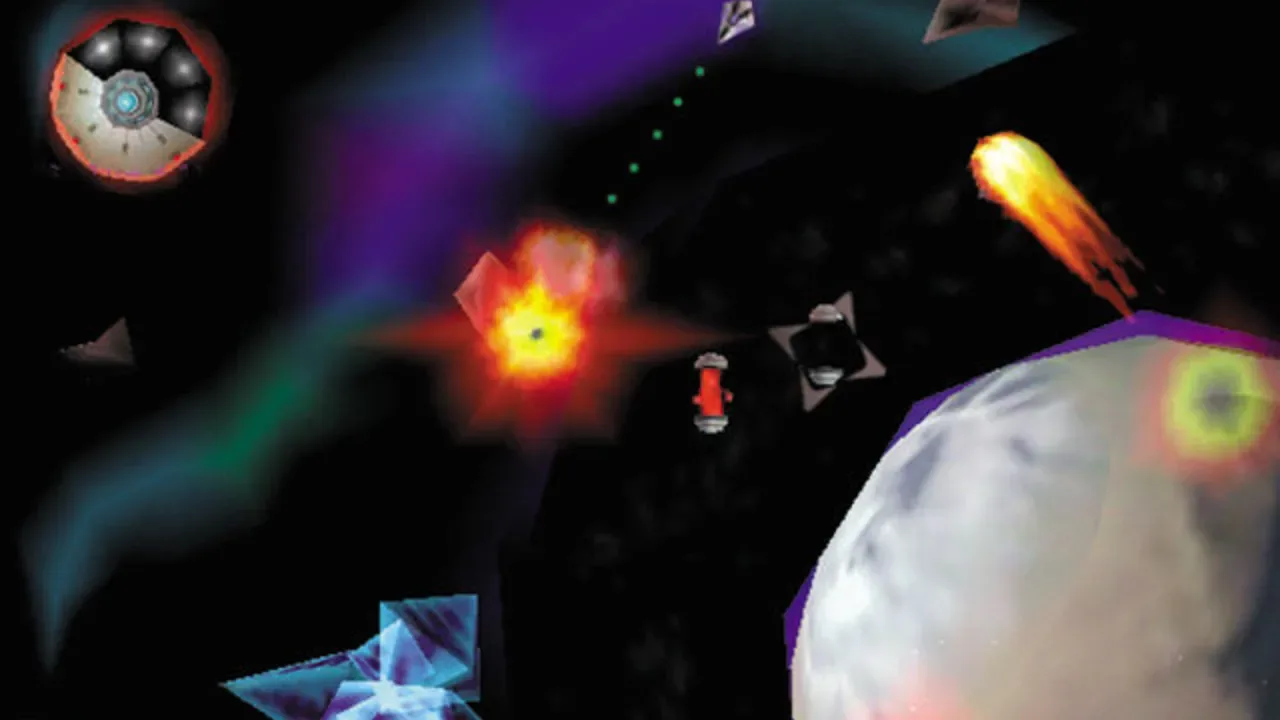
Asteroids is an arcade space shooter released in November 1979. The player controls a spaceship in an asteroid field which is periodically traversed by flying saucers. The objective of the game is to destroy both, asteroids and saucers. The triangular ship can rotate left and right, fire shots straight forward, and thrust forward. Once the ship begins moving in a direction, it will continue in that direction for a time without player intervention unless the player applies thrust in a different direction. The ship eventually comes to a stop when not thrusting. The player can also send the ship into hyperspace, causing it to disappear and reappear in a random location on the screen, at the risk of self-destructing or appearing on top of an asteroid.
Part of collection:
Asteroids
(last 3 games)
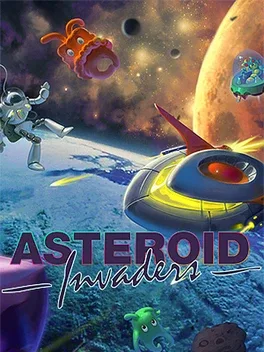
Asteroid Invaders is fast-paced, neo-classic space shooter game. Remastered with compelling, graphics, music,enemies, bosses and weapons.
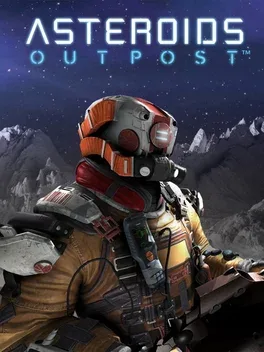
Asteroids: Outpost is an open world, sandbox survival game. Mankind has expanded its reach into the distant corners of the solar system. Near-space vessels, heavy industry on the moon and thriving colonies on Mars extend humanity's empire into the great blackness of space. With the earth's mines nearly spent, industrialists rely on the wealth of the heavens. Our solar system's massive Asteroid Belt is a mother lode of resources, just waiting to be torn free and shipped home. "The Belt" is the humanity's newest frontier, as wild and untamed as any that man has faced. Ambitious prospectors blast off with little more than an Outpost Module and a Mining Tool, to tear the hide off these asteroids and find their fortunes. This bonanza doesn't come without risks. Mere survival is a daily struggle. Asteroid storms bombard the surface, destroying Outposts, and hostile claim jumpers can appear at any moment. For the brave, there is a fortune to be made. For the foolish - there is only death. Welcome to the new Gold Rush.
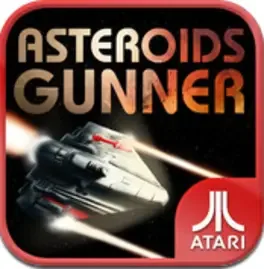
A brand new Asteroids experience for the iPhone.
Part of collection:
SuperLite 1500
(last 3 games)
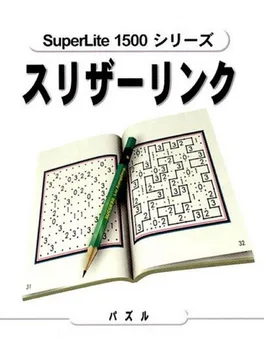
Slitherlink (also known as Fences, Takegaki, Loop the Loop, Loopy, Ouroboros, Suriza and Dotty Dilemma) is a logic puzzle developed by publisher Nikoli. Slitherlink is played on a rectangular lattice of dots. Some of the squares formed by the dots have numbers inside them. The objective is to connect horizontally and vertically adjacent dots so that the lines form a simple loop with no loose ends. In addition, the number inside a square represents how many of its four sides are segments in the loop. Other types of planar graphs can be used in lieu of the standard grid, with varying numbers of edges per vertex or vertices per polygon. These patterns include snowflake, Penrose, Laves and Altair tilings. These add complexity by varying the number of possible paths from an intersection, and/or the number of sides to each polygon; but similar rules apply to their solution. SuperLite 1500 Series - Slither Link is a puzzle game based on the Slitherlink logic puzzle featuring over 200 different stages.
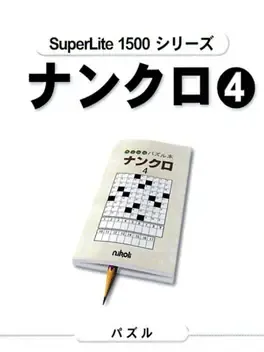
A crossword is a word puzzle that normally takes the form of a square or rectangular grid of white and shaded squares. The goal is to fill the white squares with letters, forming words or phrases, by solving clues which lead to the answers. In languages that are written left-to-right, the answer words and phrases are placed in the grid from left to right and from top to bottom. The shaded squares are used to separate the words or phrases. Squares in which answers begin are usually numbered. The clues are then referred to by these numbers and a direction, for example, "4-Across" or "20-Down". At the end of the clue the total number of letters is sometimes given, depending on the style of puzzle and country of publication. Some crosswords will also indicate the number of words in a given answer, should there be more than one.
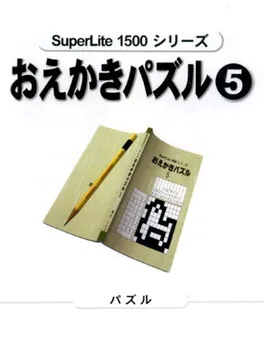
Popular collection of puzzle games will fill the picture will be completed based on the mass number of vertical and horizontal scratching puzzles first whenever visiting. The 200 questions included a wide range of offers from beginner to advanced, the size 10x10, 15x15, 20x20 sizes available 3. Configuration of the popular features button operation, and display position adjustment function, you can enjoy a comfortable play.
Could be interesting
Asteroids is an arcade space shooter released in November 1979. The player controls a spaceship in an asteroid field which is periodically traversed by flying saucers. The objective of the game is to destroy both, asteroids and saucers. The triangular ship can rotate left and right, fire shots straight forward, and thrust forward. Once the ship begins moving in a direction, it will continue in that direction for a time without player intervention unless the player applies thrust in a different direction. The ship eventually comes to a stop when not thrusting. The player can also send the ship into hyperspace, causing it to disappear and reappear in a random location on the screen, at the risk of self-destructing or appearing on top of an asteroid.
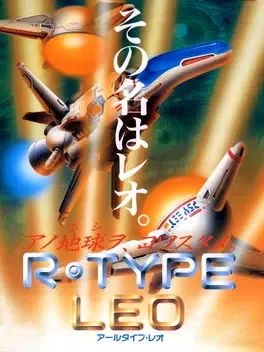
R-Type Leo is a horizontally scrolling shooter arcade game. It is a spin-off of the R-Type series and the last entry to be released in Arcades. R-Type Leo was initially an original shoot 'em up game in development by Nanao before Irem retooled it into an R-Type project instead. It is also the first R-Type game to feature simultaneous two player gameplay.
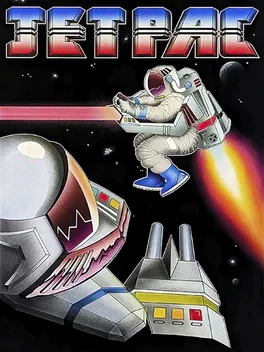
The 'Acme Interstellar Transport Company' is delivering spaceship kits to various planets in the solar system throughout the Galaxy; and as chief test pilot, all you have to do is assemble the Rockets, and thrust on to your next destination. As you don't often get the chance of a free trip across the Galaxy, this is a great opportunity to get rich! Stop off on several planets on your journey, collect the odd sack of precious gems, elements or gold, and take them back with you. Sounds simple doesn't it! But before you make yourself the richest person in the whole Universe, remember to refuel your Spaceship - with 6 fuel pods - every time you land on a planet. Any other goodies you collect are yours to keep. Upon landing, you will find yourself equipped with the very latest Hydrovac Jet Pac, which can automatically air lift almost any rocket stage, fuel pod or valuables that you care to land upon, and release them over the rocket ship base. Don't forget your mega-powerful, Quad Photon Laser Phasers can blast any nasty, mean aliens who might object to your visit.
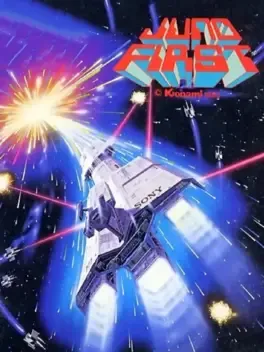
Juno First is a shoot 'em up originally developed and published by Konami Corporation for Arcades. The game was later published by Mylstar Electronics (US arcades), Datasoft Inc. (Atari 8-bit, PC Booter, and Commodore 64), and Sony Computer Entertainment Japan (MSX). Juno First is a top down, vertical scrolling shooter in which there is a limited amount of time to defeat the enemies in each wave. The players spaceship starts out with a laser that has a longer reach than the enemy weapons. The enemies start out firing a few bullets at the ship but the amount enemy fire rapidly increases as players progress through to the next waves. Certain enemies fire tracking missile-like projectiles that can shoot additional bullets.

You are Frald Rancer and control a space ship which must journey from your home planet to outer space to defeat enemy invaders. Once all the enemies are defeated then return home. The game moves in a forward direction where the screen objects move towards and down to the player. Approaching enemy ships are small, in the distance, and become larger and move faster as they approach the player. The player controls a fighter at the bottom of the screen, which can only move from side to side. Shots can be fired at a diagonal, as well as straight, by twisting the joystick from side to side. At certain stages, ground targets will appear and can be destroyed by using the "Burn" button. The laser disc generated backgrounds are largely non-interactive during game play. They form the backgrounds on which the game is played on. Scenes do work in with the backgrounds, however that is the extent. Some backgrounds appear as they should have elements of interactively, however, were not used in the release of the game. These include scenes where the player is going through an asteroid field and asteroids fly towards the player. Another scene is in the crystal caverns, where there are many obstacles which could have been made to be avoided. These are only two of many scenes which could have had interactive elements. The game may have been decided to have been too hard to play with these background obstacles and computer fighters to play. Hence removing the background interactively to make the game more playable. The game starts with the player in Frald Rancer's home city, then taking off into outer space via a fly-by of the city. The backgrounds are very Sci-Fi and are fantasy themed. They are very interesting, more so than the game. The music from the laser disc also complements the laser disc video very well and makes up for the sometimes annoying, computer generated sounds.
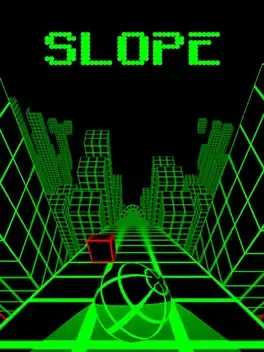
Slope is the ultimate running game that will put your skills to the test. Speed down on a randomized slope. The farther you go, the faster your ball travels. This game might look simple but playing this will give you extreme adrenaline rush. Just remember to avoid obstacles and those red blocks.
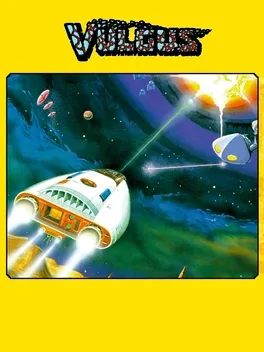
This was Capcom's first arcade game. The player controls a spaceship with a single objective: destroy incoming enemies. The vessel has two different weapons: a primary weapon with infinite ammunition and a limited supply of bombs. By picking up the "Pow" icons, which sporadically appear throughout the levels, the player can replenish supplies. [wikipedia]
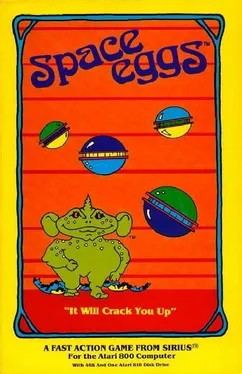
A single screen shoot'em up, similar to Space Invaders, written by Nasir Gebelli and published by Sirius Software for the Apple II and Atari 8-bit platforms.
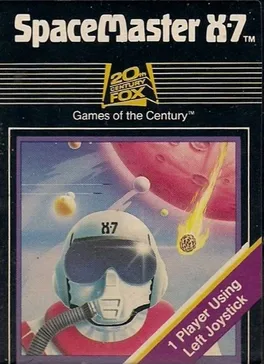
Your assault ship was specially designed to destroy Hyperion Military Bases. Destroy as many as possible. You can fire missiles in the gaps in the Force Field or from inside the Force Field. If you are able to sneak inside, you must quickly destroy the bace before the Force Field closes on your ship. This is no easy task!
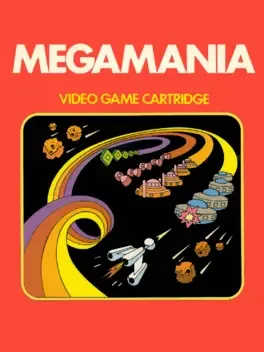
In Megamania, the gameplay resembles that of Space Invaders. Rather than being aliens or spaceships, however, the enemies in this game are various objects such as hamburgers, bow ties, and steam irons. The object is to shoot them down before the energy bar at the bottom of screen is depleted, all while avoiding the oncoming enemies and their own projectiles attacks. Each of the enemies fly in select patterns and as soon as they hit the bottom of the screen, they re-appear at the top until shot by the player. The player's spacecraft depicted in the game is a cross between the U.S.S. Enterprise and Klingon battlecruiser from the Star Trek universe. Gameplay-wise and in terms of graphics, MegaMania bears a very strong resemblance to Sega's 1981 arcade title "Astro Blaster". Both games feature nearly identical patterns of approaching enemies with the player relying on an "Energy" meter. Also, the player's ship bears a remarkable similarity in both games. When Megamania was originally sold, anyone who scored above 45,000 points could send Activision a picture of their screen and become an official Megamaniac. They also would receive an Official Megamaniac emblem.[2] If a player exceeds a score of 999,999 the game ends.