
Bust-A-Move 2: Arcade Edition


Buy
Parent game
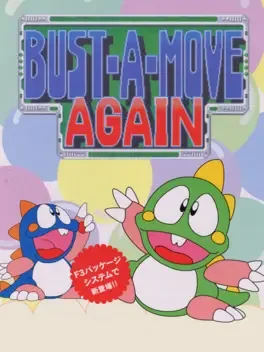
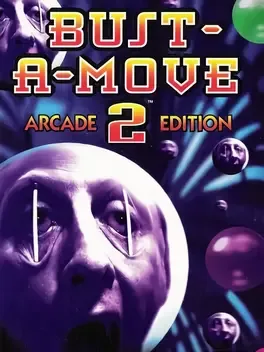
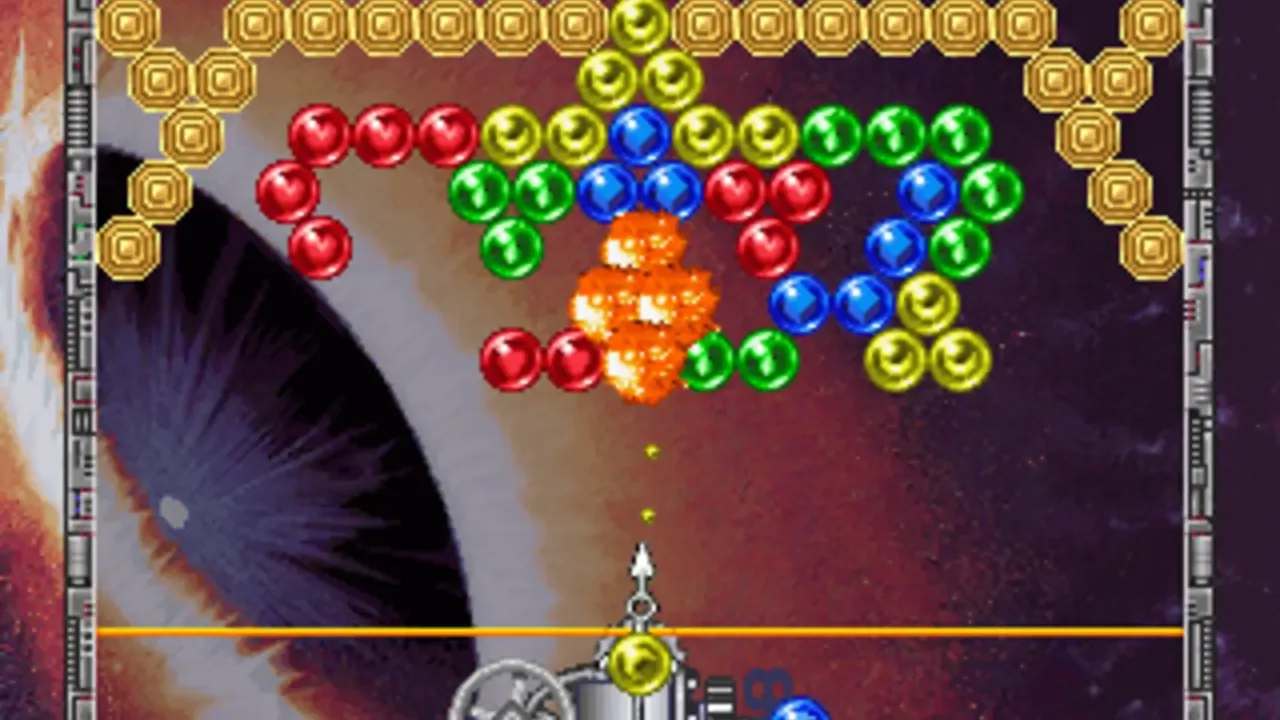
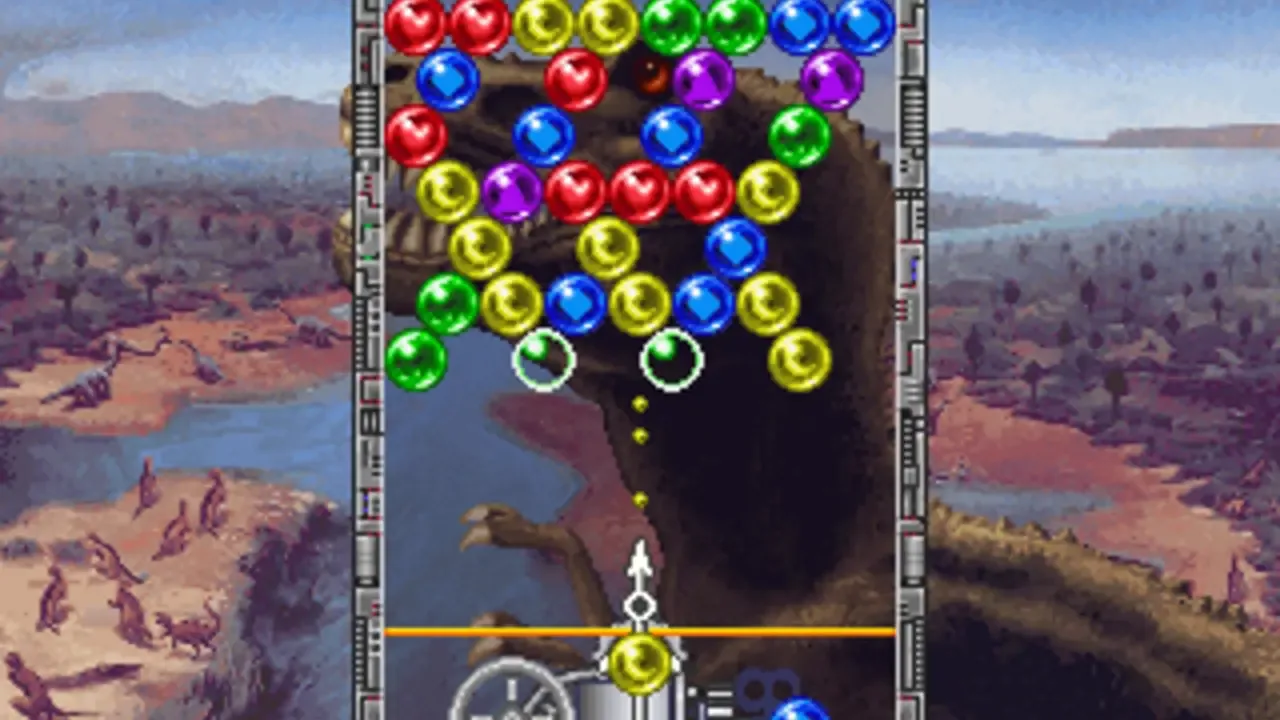
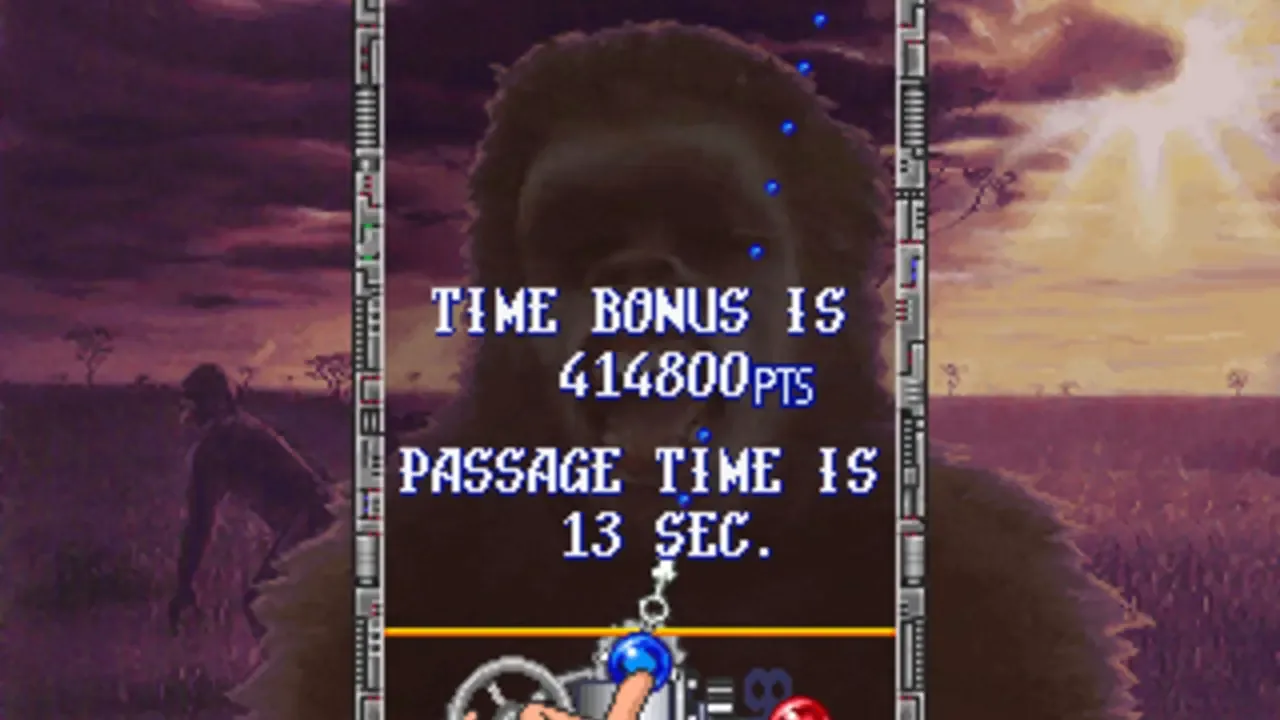
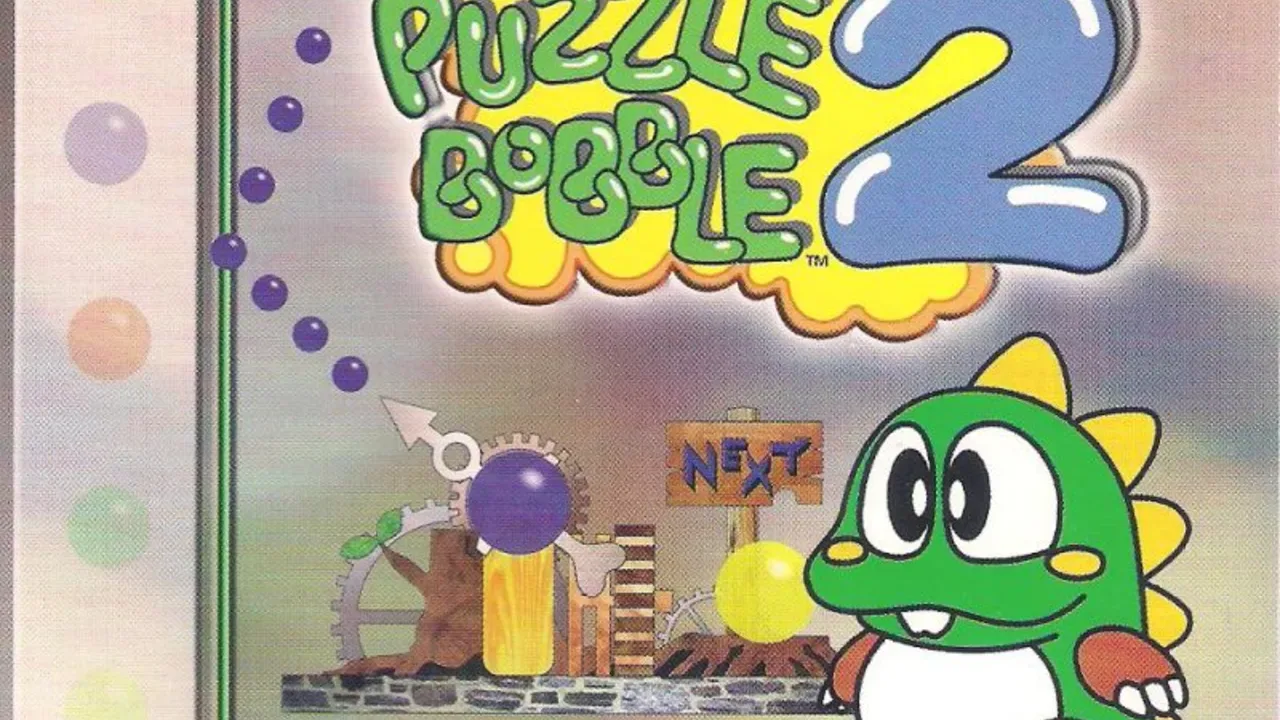
Puzzle Bobble 2 is a tile-matching video game by Taito. The first sequel to Puzzle Bobble, it was titled in Europe and North America as Bust-A-Move Again on the arcade and Bust-A-Move 2 Arcade Edition on the home consoles. The game builds on the original by adding a tournament style variation on the two player game for play against the computer and by adding a branching map to the one player game, allowing the player to periodically select one of two groups of five levels to play next, leading to different game endings. Some of the contestants in the new tournament mode are based on characters from Bubble Bobble, including variations on a Monsta and a Mighta. Completion of the single player game gives the player a code which can be entered to unlock 'Another World' for the single player game, which features subtle changes to the existing levels to increase their difficulty and changes to all backdrops to resemble levels from Bubble Bobble. The various enemies from Bubble Bobble also make an appearance in the background of the credits sequence. The North American version of the original arcade release is much different than the other versions. One of the most major changes in this version is that Bub and Bob were removed from the game and replaced with a pair of disembodied hands. Also, the characters that were in the Vs. CPU mode were removed and replaced with a generic computer. The backgrounds from the original version were also removed and replaced with 15 new backgrounds, but this also means that the backgrounds get looped in the Puzzle mode, which is 30 stages long. The audio was also changed, and the voices in the game were removed, even though they were in English anyway. These changes were only made for the Taito F3 System version, since the Neo Geo and console releases are based on the original Japanese version.
Part of collection:
Bust-a-Move
(last 3 games)
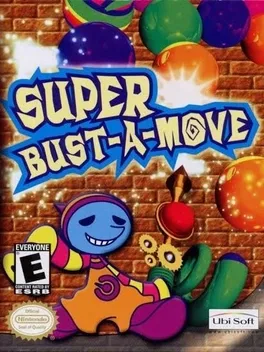
Super Bust-A-Move (also known as Super Puzzle Bobble in Japan) is a 2000 game developed by Taito and published by Acclaim.
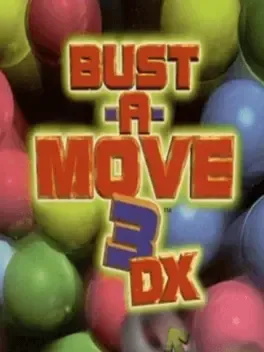
Game Boy Port of "Bust-A-Move 3/Puzzle Bobble 3"
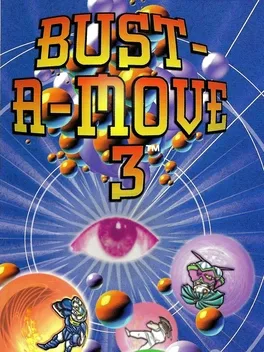
A Port of Bust-a-Move 3 for the Sega Saturn.
Part of franchise:
Bubble Bobble
(last 3 games)
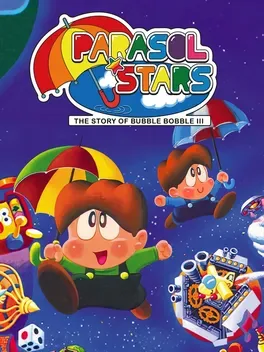
A retro arcade game featuring the bubble dragons Bub and Bob in human form. Swing parasols to stun enemies, collect fruits and play solo or co-op with a friend.
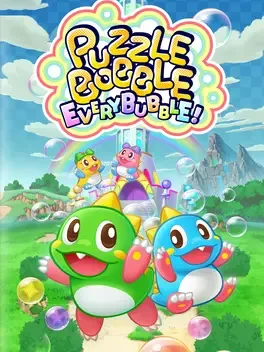
A new title in the Puzzle Bobble series featuring a four player co-op story mode.
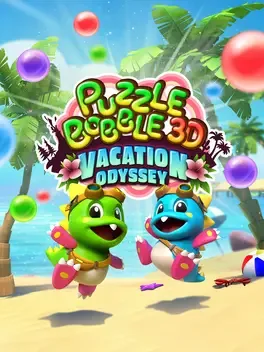
Bursting with the same cheerful energy, adorable characters, and timeless gameplay as its predecessors, Puzzle Bobble 3D: Vacation Odyssey is the next evolution of the classic Japanese action puzzle game franchise—with the immersive fun of 3D!
Could be interesting
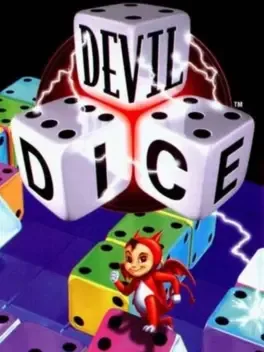
Devil Dice is a unique puzzle game, where the player controls a small devil that runs around a grid covered in large dice. The player can both stand atop dice, and stand on the ground (with the dice towering above). When standing on the dice, the player can move from die to die, or can roll a die in the direction he or she runs, revealing a different face as the die rotates. Creating a group of adjacent dice with identical pips—the size of which must be at least the number of pips—causes those dice to slowly sink into the field before disappearing. Chain reactions are possible by adding additional dice to a sinking set. Different types of dice are available in some modes, with different properties to make the game more challenging. It was originally created by developer Shift on the "homebrew" Yaroze platform, and later turned into a commercial game. Released in 1998, it is one of only a handful of games to make the leap from the Yaroze to commercial release. The game is a million-seller and a demo version was released as a PlayStation Classic game for the PlayStation 3 and PlayStation Portable on November 7, 2007.
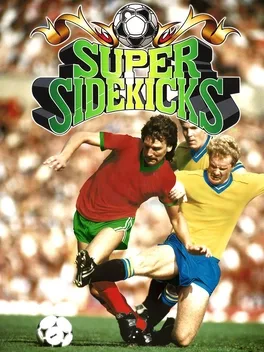
Published in 1993, the original Super Sidekicks (known as Tokuten Ou, "Goal-Scoring King" in Japan) was SNK's first soccer video game. It features 12 teams divided into two groups which compete for the "SNK Cup" (the main differences between teams is their formations on the field): Group A: Germany, Italy, Spain, England, Mexico, Japan Group B: Argentina, Holland, Brazil, France, United States, South Korea The players' team plays against all the others in their group, then it goes into an elimination tournament's semifinals and then the final to win the cup. There was also a hidden feature in the game, which wasn't documented, and affects a single player game. During a free kick for the CPU if the player has tapped button A for player two, the CPU performs a short-shot, while pressing the button A performs a longer kick.
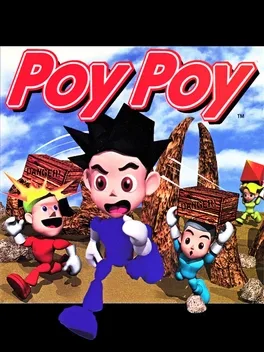
Poy Poy is a multiplayer party game at heart. Grab a multi-tap and four friends and take part in an ultimate battle of skill and wit. The idea is to be the last man standing in this arena based combat game. But don't worry if you can't find a multi-tap or four friends. There's plenty of AI characters to battle in various tournament modes and you can also play a 2 player deathmatch (with or without computer opponents). If it sounds fun now, wait 'till you play it... Set in seven different 3D environments strewn with throwable objects, the game challenges you to a match against three other opponents armed with logs, rocks, ice blocks, and atomic bombs. If you run out of stuff to throw, you can toss your opponents around too. Each hit drops your life meter, so be careful who you pick a fight with.
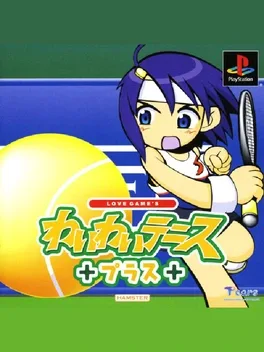
Tune up for "Wai Wai Tennis", the authentic popular tennis game. Now with even more beautiful graphics that provide rich variations in attacks with a variety of motion animations, 150 in total, and more than 70 kinds of shot patterns. Enjoy tennis made fun for the whole family.
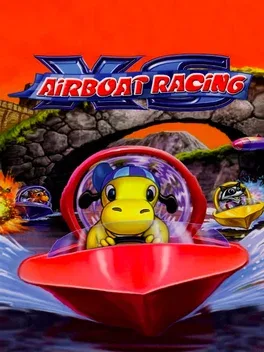
XS Airboat Racing is a racing game that let you test your racing skills through arcade tournament and time trial modes. Play as ten different characters. Three difficulty settings and various power-ups provide hours of gameplay and challenges. Up to nine different tracks that spread to five unique worlds.
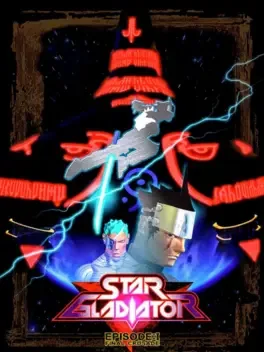
Star Gladiator Episode I: Final Crusade is a 1996 weapon-based 3D fighting game released by Capcom for the PlayStation-based ZN-1 arcade hardware. It was Capcom 's first polygonal fighting game, preceding the original Street Fighter EX (which Capcom had co-produced with Arika) by a few months A PlayStation port was released in October 1996. It was followed by a single sequel, Plasma Sword, in 1998.
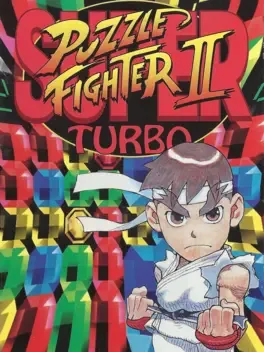
The game's title is a parody of Super Street Fighter II Turbo (or Super Street Fighter II X in Japan), as there are no other Puzzle Fighter games, and the game includes music and interface elements spoofing the Street Fighter Alpha and Darkstalkers games. It was a response to SEGA's popular Puyo Puyo 2 that has been sweeping Japanese arcade. A HD-remake version titled Super Puzzle Fighter II Turbo HD Remix, is available for purchase on Microsoft's Xbox Live Arcade and Sony's PlayStation Network.
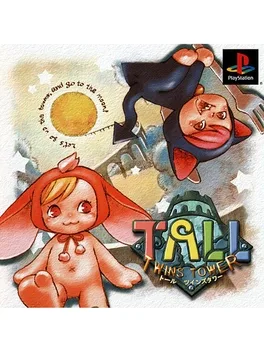
Tall twins tower is the sequel to Tall Infinity and in this case the game was never released outside Japan. As in Tall Infinity the player manipulate multi-colored blocks to construct a tower. The players needing to complete ten floors of the tower to pass each stage. Players must avoid unnecessary moves or risk losing the game. There are three difficulty levels and different game modes (like endless mode or time attack). One of the new features is the slide mode in which using the R1 and L1 Button the player can move a whole line of blocks to the right or to the left, the game also features a 2 players split screen vs mode.
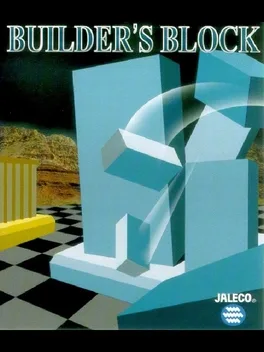
Builder's Block (known as "Land Maker" in Japan and "Landmaker" in Europe) is a puzzle game in which you must construct buildings and then eliminate them for points. Although a certain color can only eliminate itself, the object of this game is to match colored blocks together to form buildings. Once you have made a building, you can eliminate it by shooting a block on the corner of it. The larger the building, the more benefits you'll reap when you destroy it! The game can be played three different ways: Puzzle mode, Battle mode, and Arcade mode. In the Puzzle mode, you must travel to one of seven different courses and construct specific size buildings. You must not destroy the buildings in this mode. The object is to build cities for the specific course or region you're in and make the cities grow.
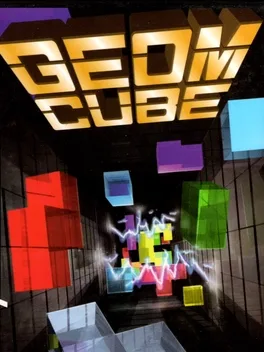
Geom Cube is a three-dimensional puzzle game based on Tetris concept. Blocks are dropped into a 4x4 pit where the object is to completely fill a level in the pit with blocks so it disappears. There are 24 different block shapes. If the blocks reach the top of the pit, the game is over. This game is for one or two players; the single-player mode has an option of playing against a series of eight computer opponents. There are three game modes for one player: the fast, time-limited Finite mode, the slower Infinite mode, and a versus mode against computer-controlled fighters. Multiplayer is available as a head-to-head vertically split-screen mode for two players, where completed layers can be transported to the opponent's screen.