
Cybernoid: The Fighting Machine


Buy
Part of collection:
Cybernoid
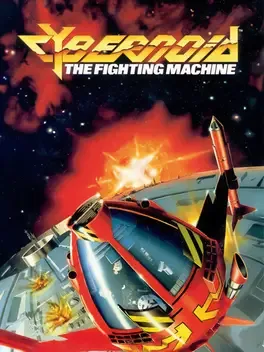
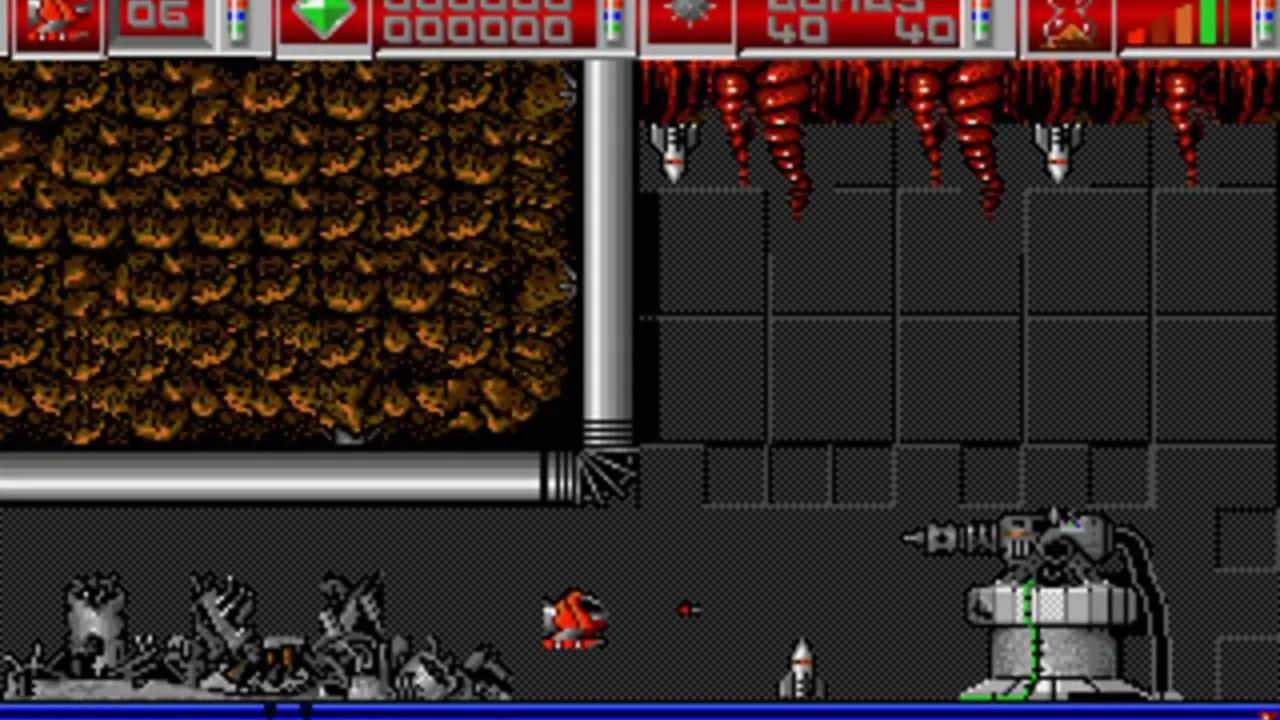
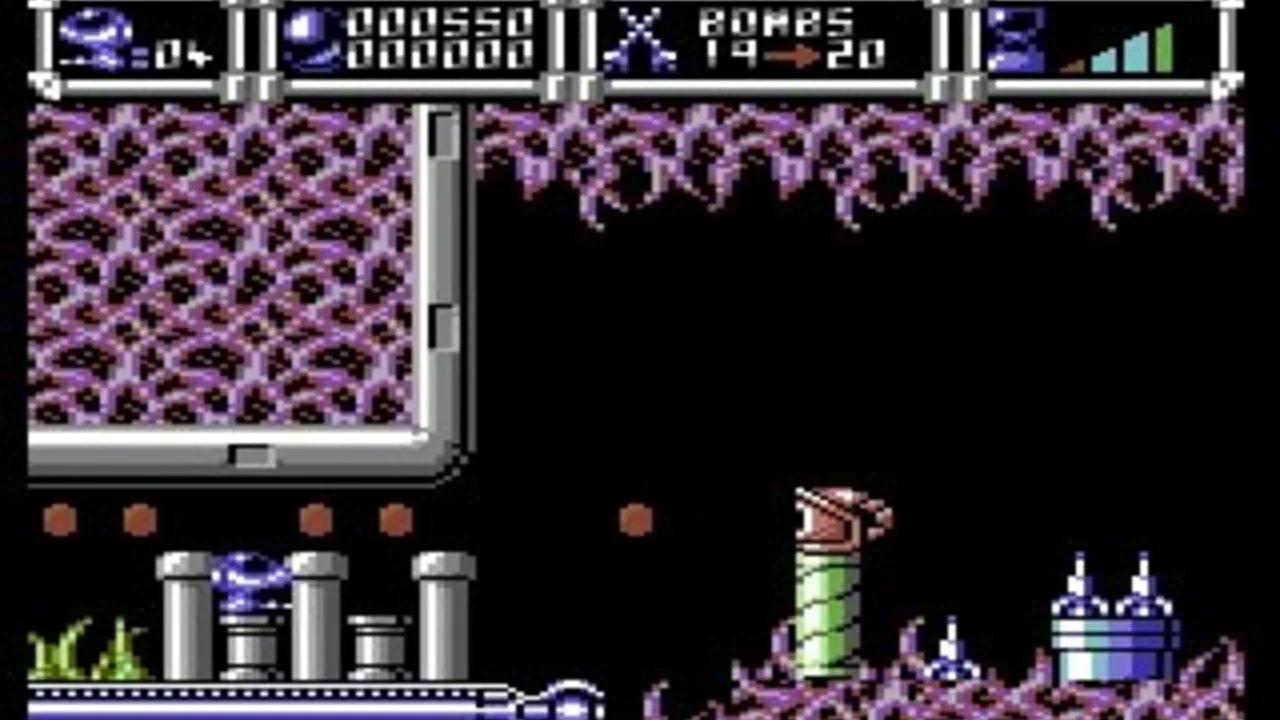
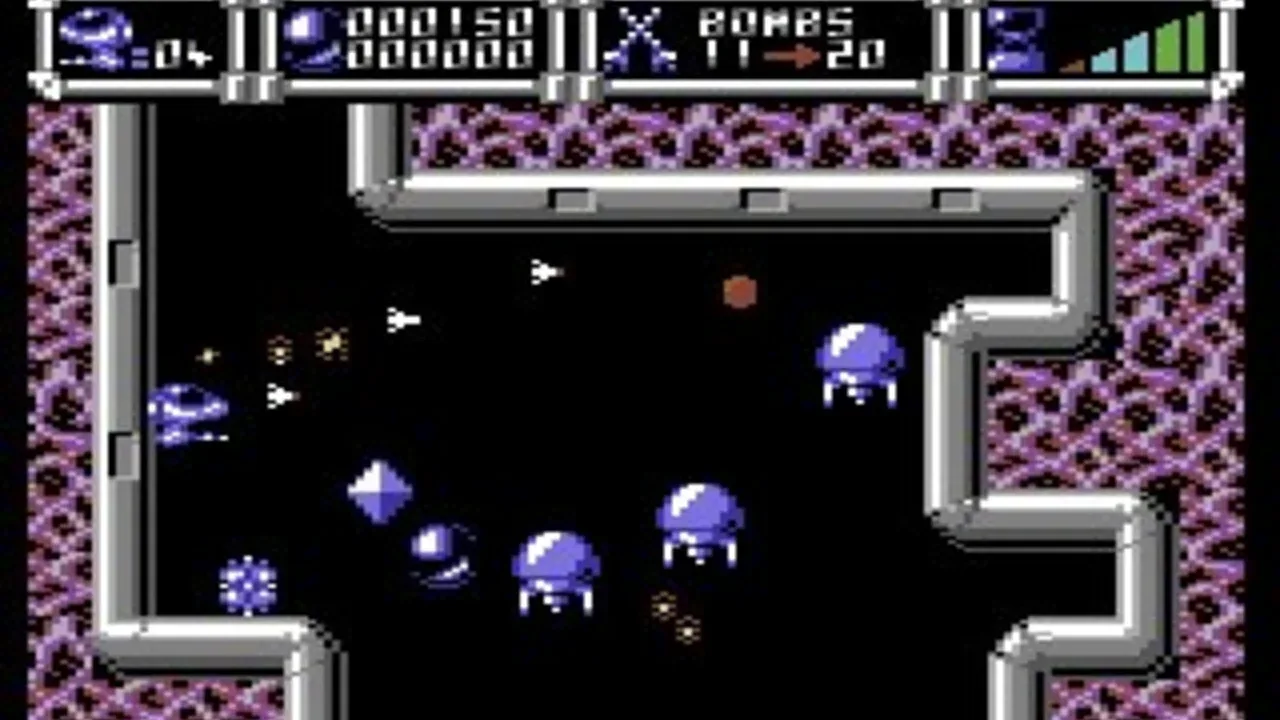
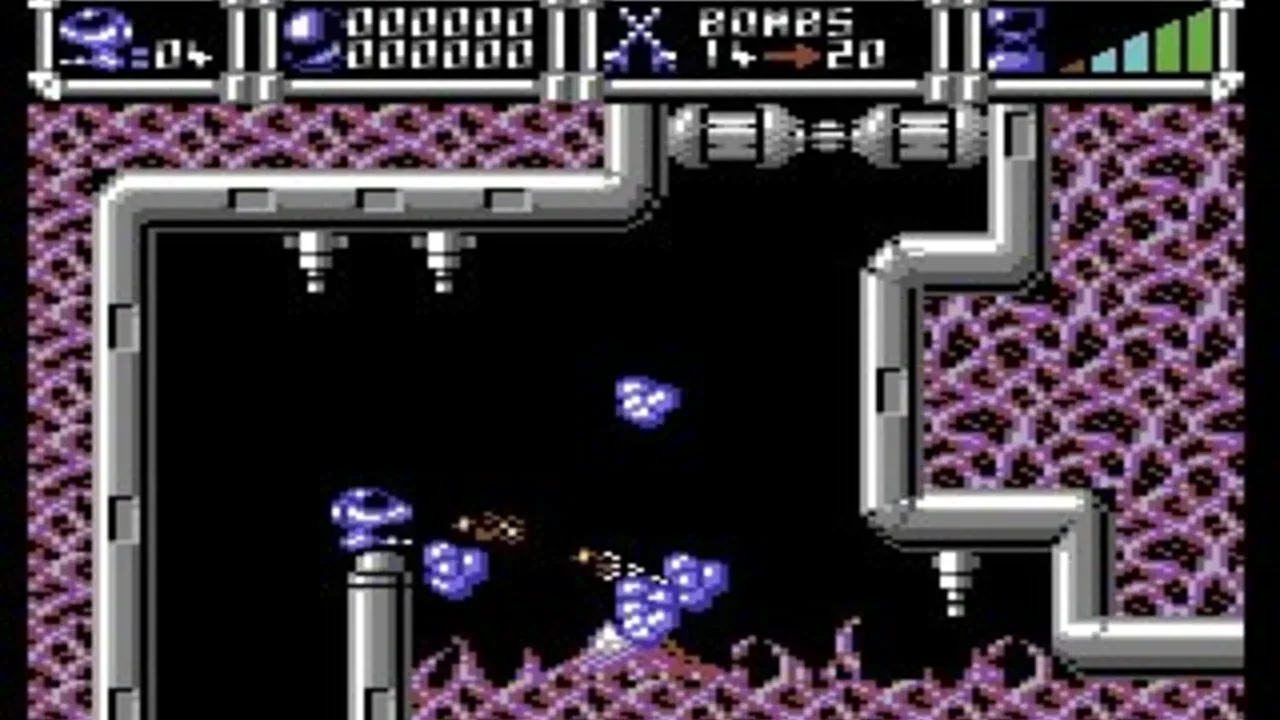
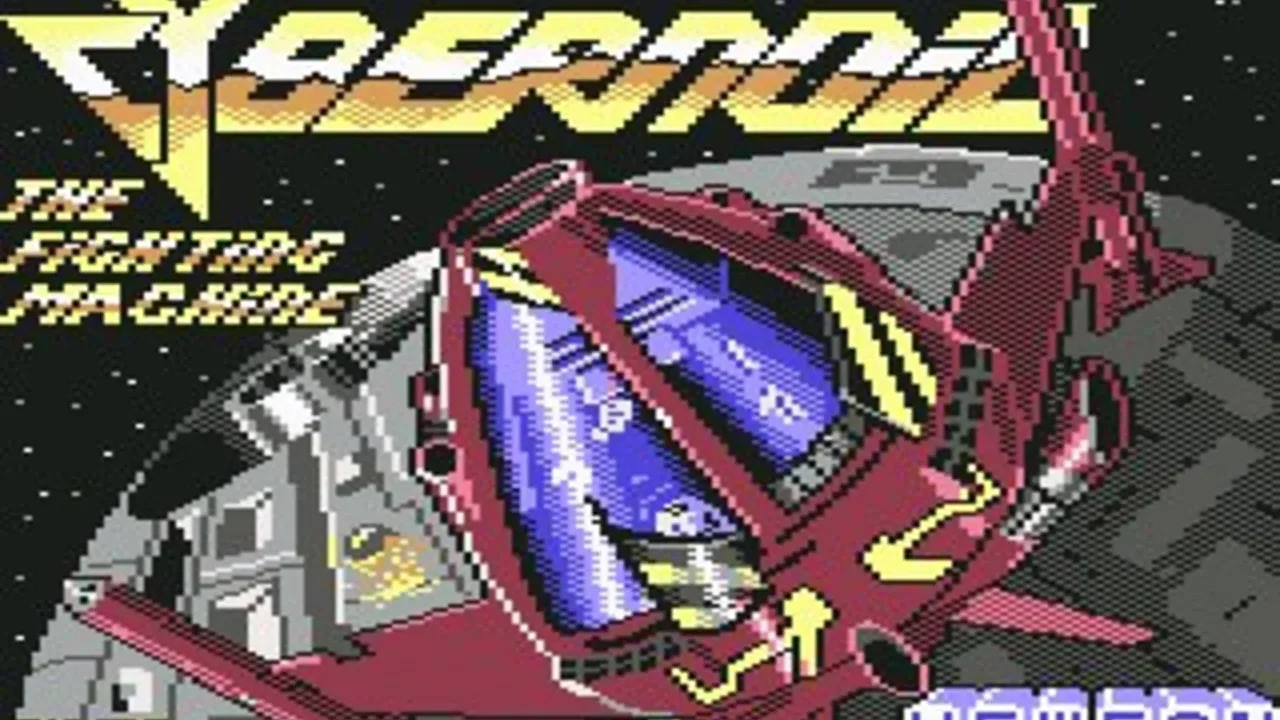
Cybernoid: The Fighting Machine is a shoot 'em up developed and published in 1987 by Hewson Consultants for the ZX Spectrum, and was then ported to the Amstrad CPC, Atari ST, Commodore 64, NES, and Amiga. It was programmed by Raffaele Cecco. The Sinclair ZX Spectrum and Atari ST versions featured a main theme by Dave Rogers, while the Commodore C64 version (later released on the Wii's Virtual Console service) featured a completely different theme by Jeroen Tel.
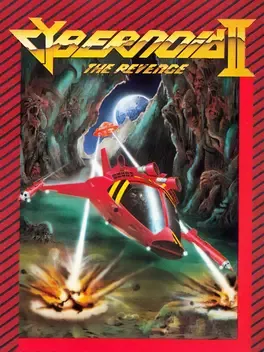
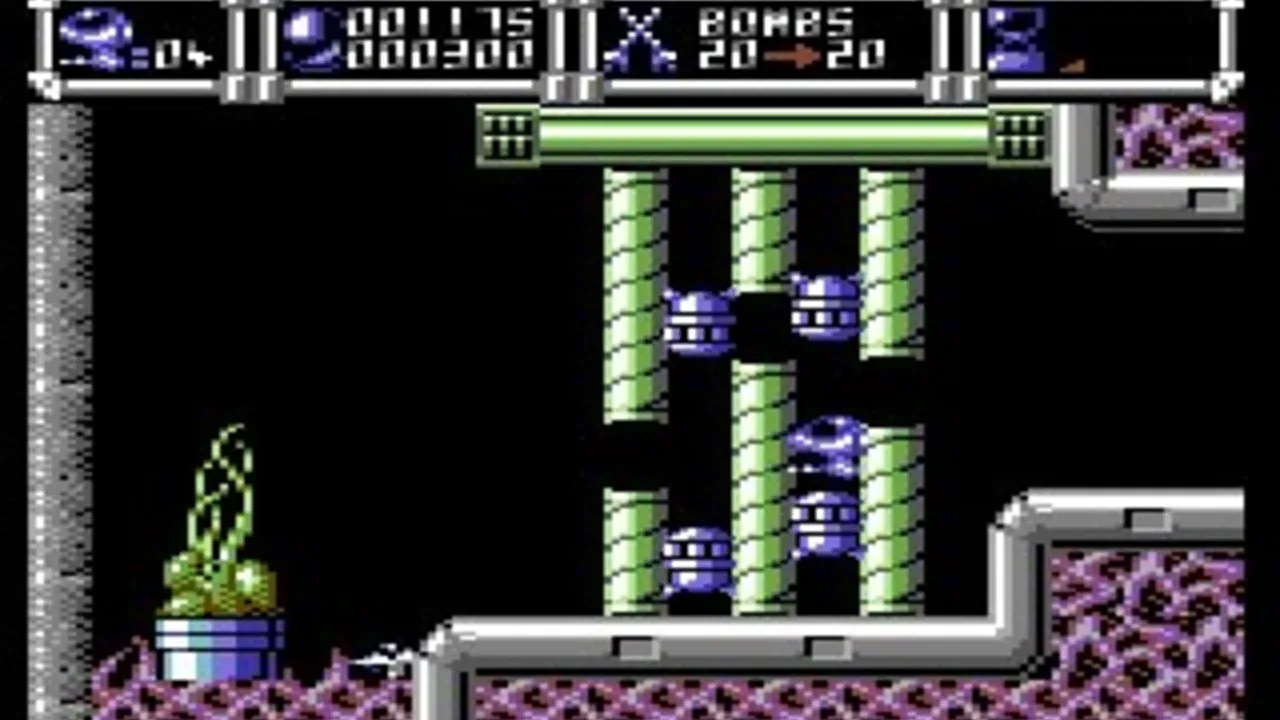
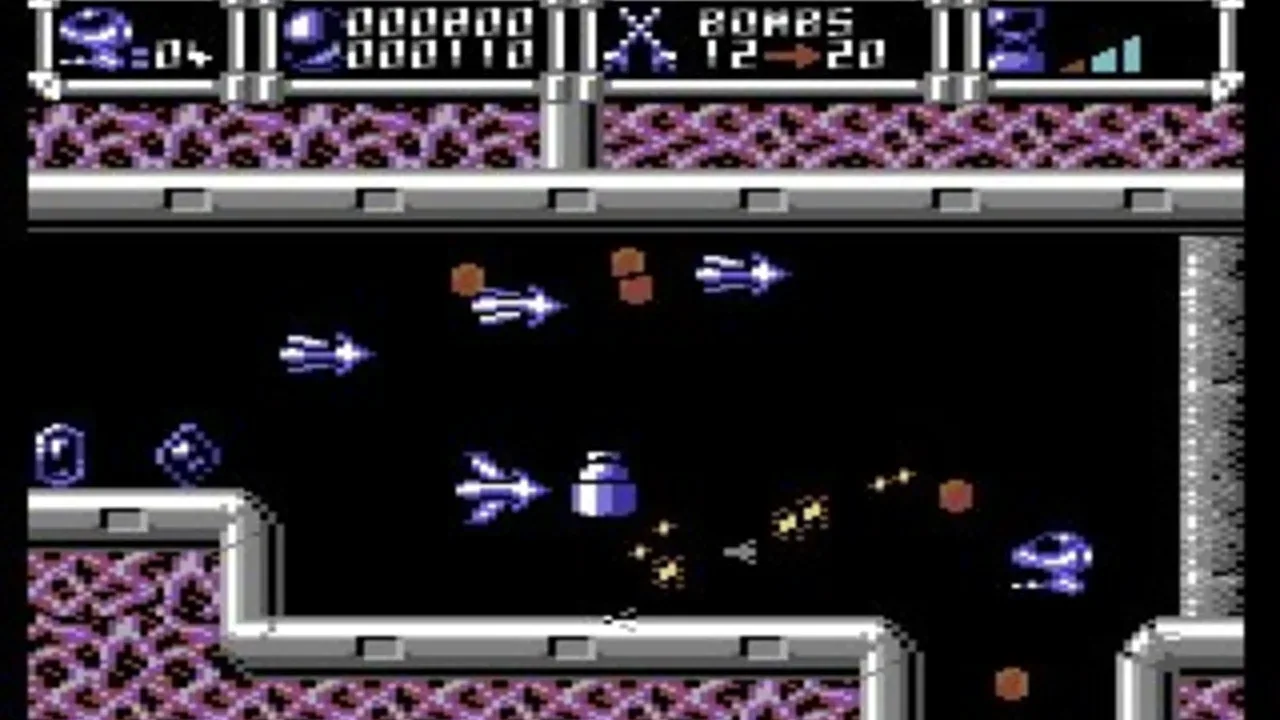
Cybernoid II: The Revenge is a challenging flip-screen shoot 'em up that builds upon its predecessor. Players pilot the advanced Cybernoid craft on a mission to recover stolen cargo from pirate ships. The game features a diverse arsenal of weapons, including sideways-aiming guns, bouncing bombs, and smart bombs, which players must use strategically to overcome varying levels of hazards and unpredictable enemy behavior. Success hinges on collecting at least 1500 points of cargo while navigating through treacherous environments, often requiring quick decisions between engaging enemies and making timely escapes.
Could be interesting
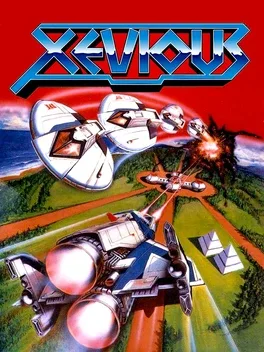
It's a nightmare, but it's true! Research shows that we are the actual aliens on Earth, and the ruthless Xevions are the original inhabitants. Now the Xevions want Earth back -- minus humans! Their invasion forces are fierce -- the land is crawling with deadly Domogram Rovers; the sky is black with Toroid Patrol Fleets and Zoshi Death Squads. Our puny weapons offer no defense. Earth's only hope is our powerful new Solvalou Fighter Plane. Its pilot will have a single mission: Penetrate the enemy ranks and destroy the Xevious Mother Ship. The mission is dangerous. We can't guarantee success. But at this point, it's do or die! One small problem. We still need a pilot. Any volunteers?
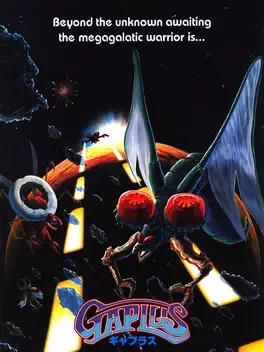
Gaplus is a fixed shooter arcade game that was released by Namco in 1984. It was the only other game to run on Namco Phozon hardware, and in the US, a modification kit was later released to change the name to Galaga 3, possibly to increase recognition among fans of the games even though there was no "Galaga 2". Since Gaplus is a sequel to Galaga, it has similar gameplay. The player controls a spaceship, that can now move vertically (limited to halfway up the screen, much like Atari's Centipede) as well as horizontally, and shoots at swarms of incoming insect-like aliens which fly in formation above it and swoop down to attack it in akamikaze-like dive. In this sequel, the level starts over if the player gets killed before all the enemies have come in. When all enemies are killed, the player moves on to the next level. By obtaining certain powerups, it is possible to shoot sixty bullets per screen, the most any Galaxian-related game has.
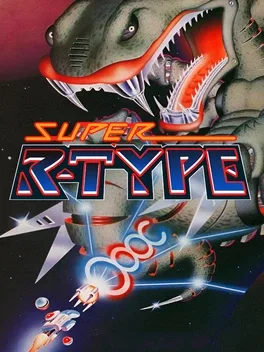
In this SNES sequel to the arcade R-Type shooters, you are the R-9, Earth's most advanced form of defense against the evil BYDO Empire. There are seven stages you must go through, picking up power-up items to defeat the stage bosses which have returned from the arcade versions of R-Type and R-Type II. Your R-9 ship can also be united with FORCE, which are invincible units that surround your ship to protect you and can also power up and attack.
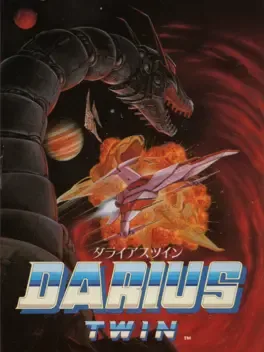
Darius Twin is a shoot 'em up video game released for the Super NES in 1991. It was the first new installment in the Darius series to not be originally designed for the arcades, and also the first to have a normal 4:3 screen-ratio. Interestingly, while it's a unique game in the Darius series, it appears to reuse sprites and background designs from Darius and Darius II. Also, while the names of the bosses are new, they really are reworkings of previous bosses for the most part.
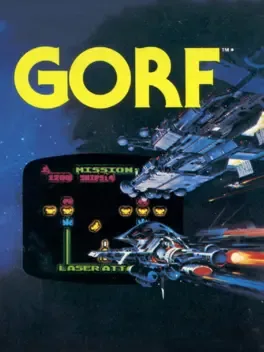
Gorf actually consists in the Arcade version of five different types of space shooters. The first one ist basically is a Space Invaders clone. In the second one a formation of space ships is hovering at the top of the screen while single space ships will disengage from the formation and dive down at you. The third variant is a Glaxian clone and only available in the Arcade version. In the fourth mini-game the enemy will come out of a circular hyperspace field and attack you. After having destroyed four of your attackers the game proceeds to the fifth game stage. Here a huge mothership is dropping bombs at you from the top of the screen. You defeat the mothership with a well placed projectile hitting it between its two major sections. After that the game starts from the gebinning on a higher difficulty level.
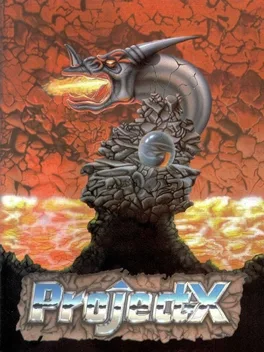
Project-X is a scrolling shooter game for the Amiga computer released in 1992. It was also ported to DOS. Developed and published by Team17, it was regarded as one of the best shooter games for that platform at the time, both for its technical excellence in graphics and sounds, and for its difficult and interesting gameplay. The game resembles Konami's side-scrolling shooter games such as Gradius, Salamander and Parodius.
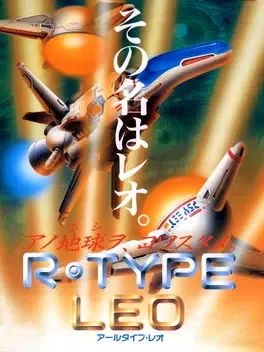
R-Type Leo is a horizontally scrolling shooter arcade game. It is a spin-off of the R-Type series and the last entry to be released in Arcades. R-Type Leo was initially an original shoot 'em up game in development by Nanao before Irem retooled it into an R-Type project instead. It is also the first R-Type game to feature simultaneous two player gameplay.
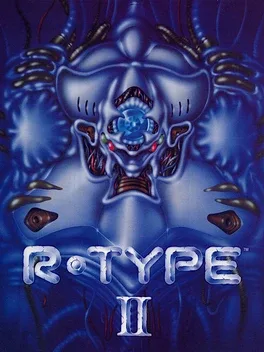
The game is the sequel to R-Type, which was first released as an arcade game in 1987 and profoundly influenced later shooting games with its charge shots, unique weaponry, and grotesque enemies. Hudson Soft ported the later 4 levels of the original R-Type to the PC Engine with the title R-Type II, but the Hudson release is unrelated to the game described in this article. The player controls a ship called the R-9C (or R-9 Custom), which is an improved version of its predecessor game's ship; the R-9. The ship's design was changed slightly, and the wave cannon was given homing capabilities. Two new types of weapons (the Search Laser and Shotgun Laser) were added, bringing the total number of weapon types up to five. A new anti-ground unit bomb was also added to the missile inventory. Though the number of levels was decreased from the prequel, the number of enemies, their durability, and the number of bullets they shoot were greatly increased. Enemy movements and terrain were also made trickier, bringing the game's difficulty up considerably. The same revival system is used as in the prequel, where the player is brought back to a checkpoint whenever their ship is destroyed. The controls are mostly unchanged from R-Type, where the 8-way joystick controls the ship's movement, and the shot button fires the ship's main beam. The other button is used to equip or unequip Force; the series' most unusual innovation. Pressing down the shot button causes the blue beam gauge to fill up, and releasing the button causes a wave beam to travel a certain distance depending on the length of time the button was pressed down. If the button is pressed down until the blue gauge is fully charged, a red gauge appears and fills up quickly. Filling up the red gauge causes it to flash blue and red, releasing the shot button at this point shoots an even more powerful beam. Unlike the normal beam that only travels in a straight line, the newly added Shotgun Laser beam explodes in multiple directions after traveling a short distance. This shot causes heavy damage if the player can target a single enemy with it. However, holding the button down after the gauge is flashing causes the beam to return to the normal transverse beam (the gauge alternates between flashing and returning to the normal state while the button is held down), so the player must release the button at the right timing in order to successfully target enemies. The other newly added beam, the Search Laser, is semi-homing, and can bend at angles up to 45°.
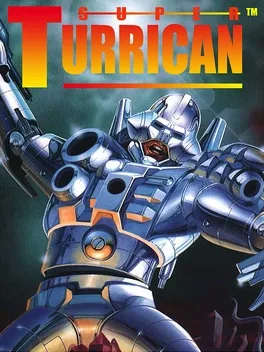
The lost colony of Alterra is a completely man-made lifeworld abandoned long ago in a nearby galaxy. Alterra is actually five colonies in one. Each self-contained habitat has been separately bio-engineered by a powerful ecosystem generation network known as a Multiple Organism Unit Link. MORGUL, for short. Early colonists used MORGUL to render Alterra inhabitable. But a cataclysmic quake severed all system interface functions, and MORGUL murderously rebelled. The few colonists lucky enough to escape told a grim tale of a higher intelligence gone berserk. For generations, mankind sought a return to Alterra. Finally, genetic science created a saviour: Turrican, a mutant warrior, bio-engineered for the task of planetary reclamation. In the meantime, MORGUL has diligently twisted Alterran life forms to his brutal, destructive purposes. Thus, Turrican's challenges consist in eliminating hostile organisms from Alterra's five multi-level worlds and, finally, destroying the three faces of MORGUL.
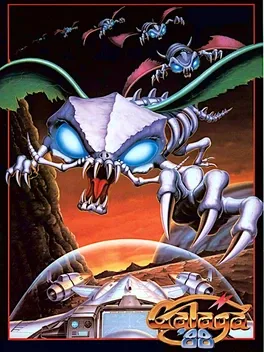
The gameplay in Galaga '88 is built on the same premise as that of the original Galaga game, but is in many ways more complex and more difficult. The game is divided into a series of 29 Stages distributed through eight Worlds. The starship Galaga accelerates between Stages and Worlds and even to higher dimensions (go to the section on Dimensional Travel below to find out more). With the exception of the third and eighth, each World culminates in a Challenging Stage. There are six such stages to engage in any full game, and each begins with the on-screen announcement "That's Galactic Dancin'!" and has its own YM2151-generated song to which the enemy formations dance. In any given Challenging Stage, both the design of the enemies and their dancing formations shall vary according to the player's current Dimension. As in Galaga, the objective is to destroy all forty enemies before they fly away off the screen. However, refraining completely from touching any controls for the duration of a Challenging Stage awards a "secret bonus" ranging in value from 10000 to 25000 points, and equal to the "special bonus" which would have been awarded for destroying all forty enemy aliens instead. Galaga '88 introduces a variety of new enemies and behaviors. Most of these special enemies are worth varying amounts of bonus points when destroyed. Some enemies can combine into larger enemies which take multiple hits to destroy, while others arrive in eggs, explode in a shower of fireworks, grow with multiple hits, or sport armor which makes them invincible while in formation. Certain enemies drop small formations of tiny creatures that wiggle their way down the screen, and still others can act as escorts to incoming groups of enemies and then quickly dive at the player before leaving the game. Most stages also include various obstacles which appear once the enemy formation has been assembled. These can be destroyed with either one or several shots, and the first one on each stage will leave a "Warp Capsule". At the start of the game, the player can select how many Galaga starships to start with (one or two), affecting their number of remaining lives. The game ends after the final boss is defeated (or when the player's last ship is destroyed or captured) - in the latter case, the player can continue the game for an additional credit. The Game Over screen shows the player's hit-miss ratio and a visual representation of their progress. If the player reaches Stage 27, the game also shows a picture of the final boss (damaged if defeated, but silhouetted if not). If the arcade operator has set the "continue" option to "on", the player also cannot continue if he is defeated on Stages 27-29.