
Final Fantasy


Parent game
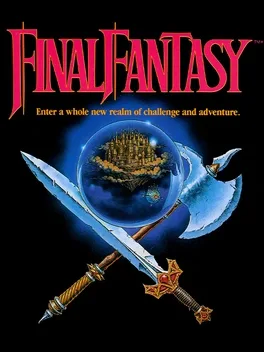
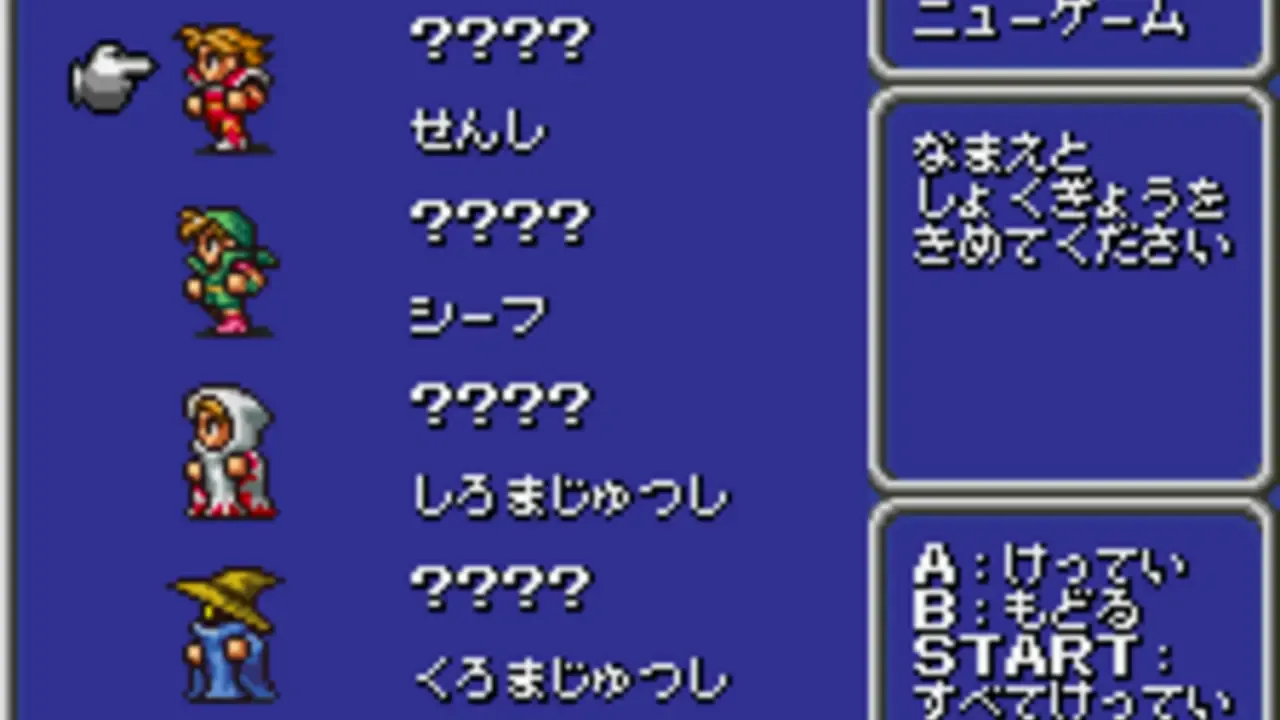
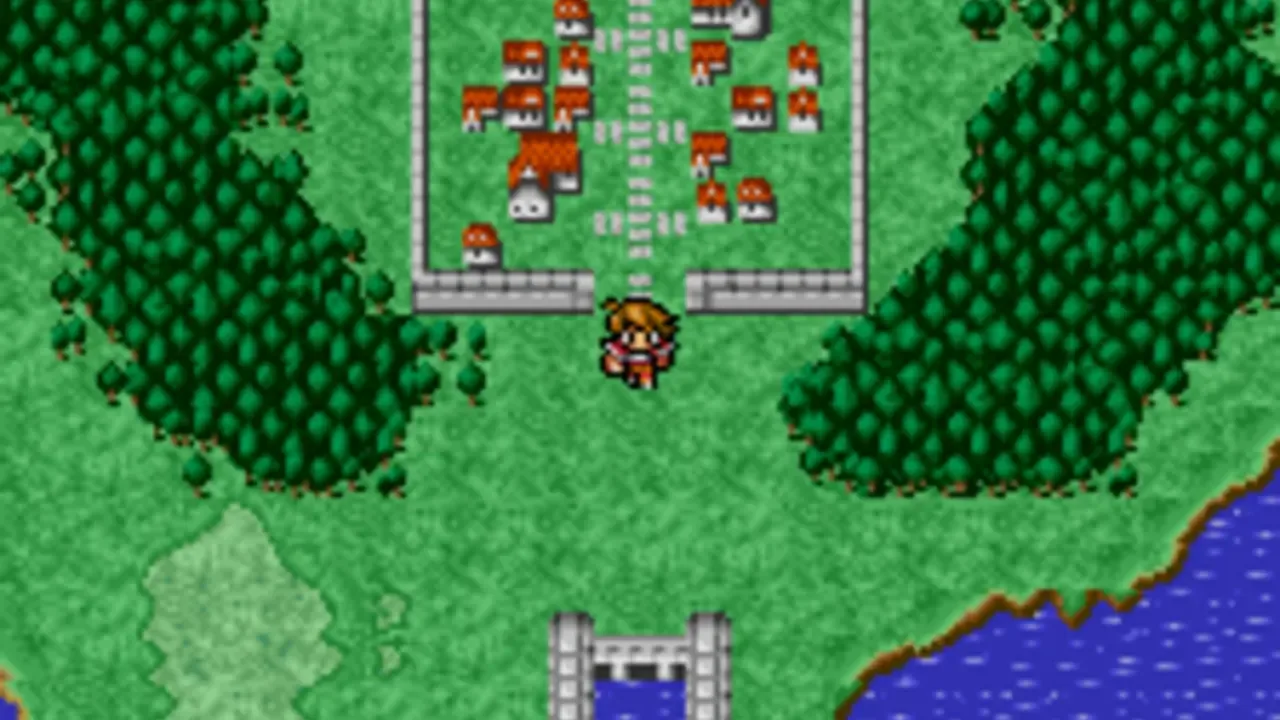
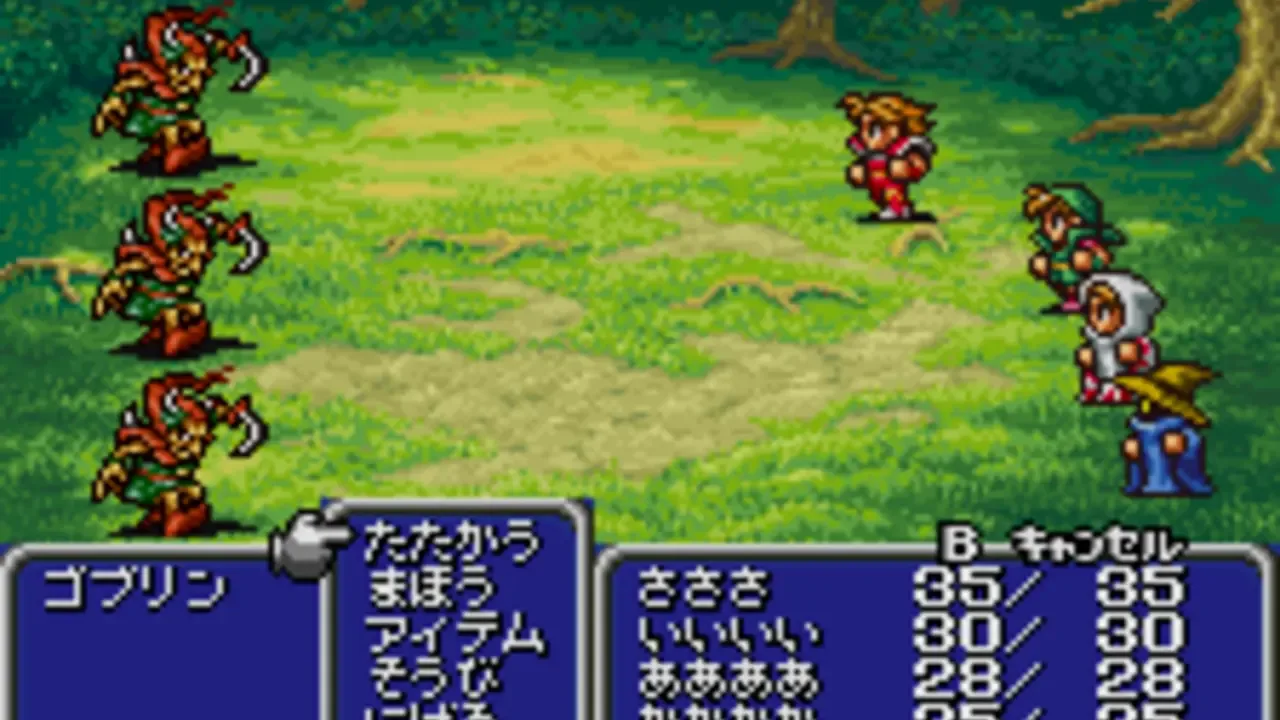
Final Fantasy, also known as FFI in re-releases, is the first role-playing game title in Square's flagship Final Fantasy series. The game puts players in control of four characters known as the Warriors of Light, and begins by asking the player to select the classes and names of each. The Warriors of Light can traverse the maps of dungeons and towns, which are connected by a world map, and will run into random encounters with enemies or fight bosses.
Expanded games
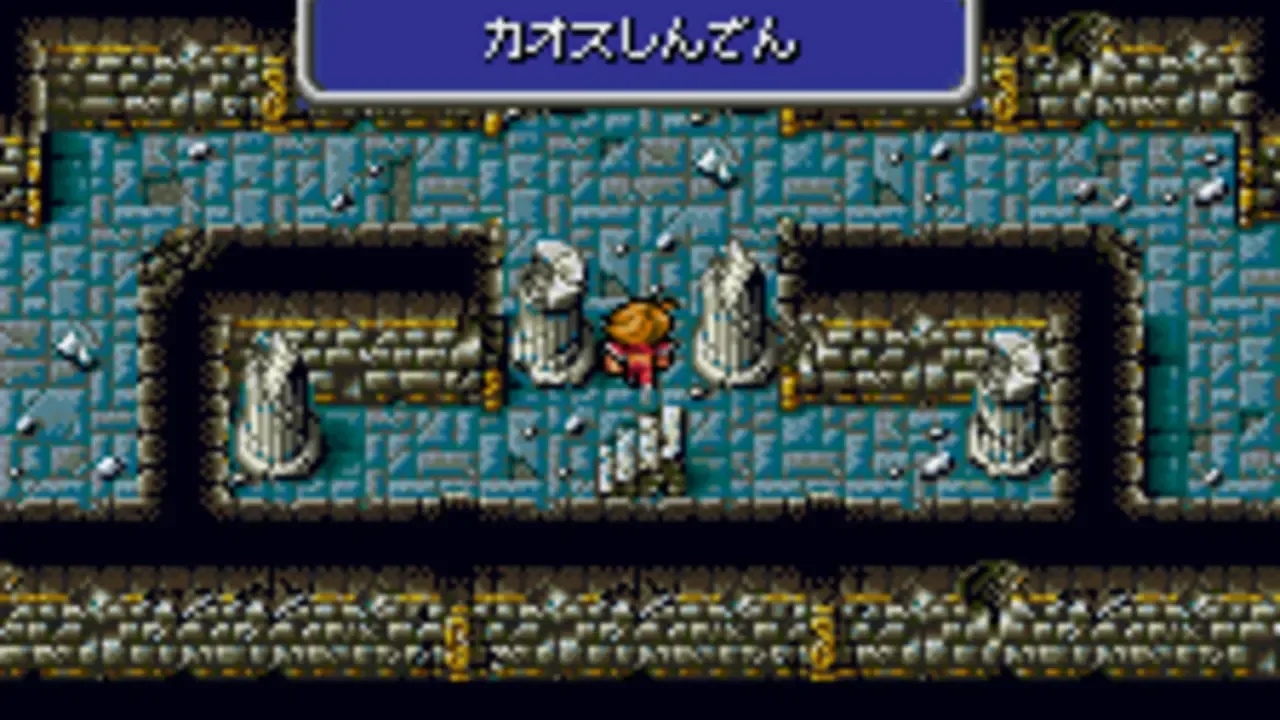
The first Final Fantasy game ported for the Game Boy Advance in the Final Fantasy: Dawn of Souls compilation released in 2004. It has new content, different mechanics and a bestiary added to the game.
Part of collection:
Final Fantasy
(last 3 games)
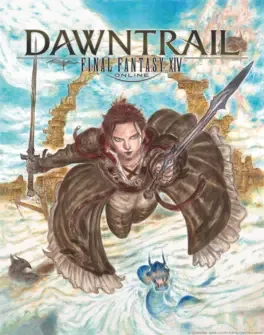
The Collector’s Edition includes Final Fantasy XIV: Dawntrail, the in-game bonus items, Dawntrail Special Art Box, Expertly Crafted Viper Figure, Adventurer’s Cloth Map, the Unending Journey and Adventurer’s Pen Case.
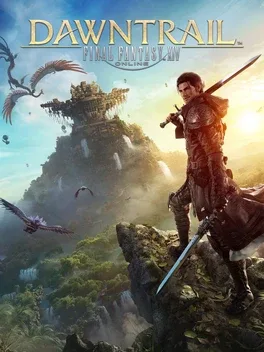
Final Fantasy XIV: Dawntrail is the fifth expansion pack to Final Fantasy XIV Online. The expansion will bring an abundance of fresh content, including an increased level cap, multiple new jobs, sprawling new areas, new allied tribes, new dungeons, and new core battle content such as FATEs, Hunts, Treasure Hunts, and sidequests, and much more.
The Rising Tide is the second DLC for Final Fantasy XVI, which will bring new challenges, new locations and more, including the confrontation between Clive and the legendary Eikon, Leviathan.
Part of franchise:
Final Fantasy
(last 3 games)
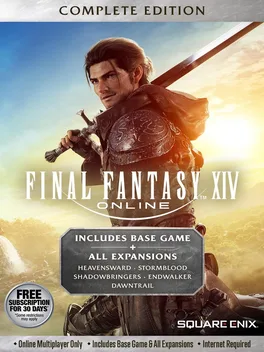
This bundle includes Final Fantasy XIV: A Realm Reborn, Final Fantasy XIV: Heavensward, Final Fantasy XIV: Stormblood, Final Fantasy XIV: Shadowbringers, Final Fantasy XIV: Endwalker, and Final Fantasy XIV: Dawntrail.
Final Fantasy XIV: Dawntrail is the fifth expansion pack to Final Fantasy XIV Online. The expansion will bring an abundance of fresh content, including an increased level cap, multiple new jobs, sprawling new areas, new allied tribes, new dungeons, and new core battle content such as FATEs, Hunts, Treasure Hunts, and sidequests, and much more.
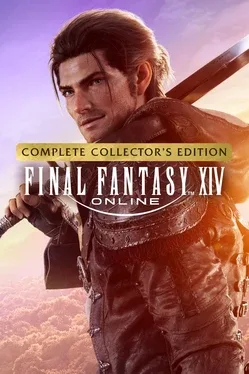
This bundle includes "Final Fantasy XIV: A Realm Reborn", "Final Fantasy XIV: Heavensward", "Final Fantasy XIV: Stormblood", "Final Fantasy XIV: Shadowbringers", "Final Fantasy XIV: Endwalker" and "Final Fantasy XIV: Dawntrail". All in-game bonus items from the Collector’s Editions are included.
Could be interesting

Suikoden is a Japanese-style role-playing game with several unusual additions. There are three kinds of combat in the game, the most common one being the traditional turn-based party combat (players can have up to six people in their active party). Magic runes can be equipped on the player's characters which allow limited usage of offensive and healing spells. There are also a few army battles, where the player must control whole units of fighters, archers, magicians, etc., and one-on-one fights (duels).
Should you enter Tecmo's Deception you should be warned! You must decide who lives and who dies. As in life, Tecmo's Deception will hold you responsible for your actions. Everything you do, everywhere you go, everyone you meet has a reason. Are you seeking revenge, resurrection, or redemption? It's your decision.
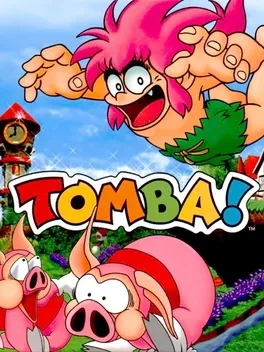
Tomba! is a side-scrolling platformer in which players control Tomba, a wild boy on the search for his grandfather's bangle that was stolen by some evil pigs. Although Tomba is normally restricted to a two-dimensional plane, there are certain points where he can jump or climb onto a new plane. Tomba's main method of attack is to jump on top of enemies to grab them, allowing him to hop around on them before throwing them away. This can also be used to open other objects such as eggs or treasure chests. Tomba is also able to use various projectile weapons such as maces and boomerangs and can swing on branches and poles. The game is based around a mission system, where the main character's (Tomba's) skills are employed to complete various tasks. Completion of a mission gives a certain amount of adventure points (AP) which are required for AP boxes which contain food (which gives you AP and restores 1 space of vitality) or items, and you may for example need 50,000 AP to open one. AP is also used to gain access to special places or information later in the game. Not all missions are necessary to progress in the game, however, they are required to achieve full completion. There are 130 events (missions) in the game, many of them rely on other events to be completed.
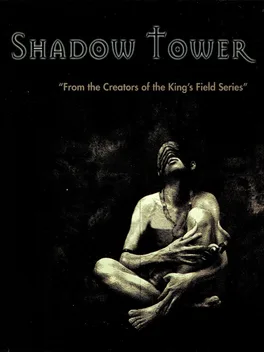
Shadow Tower is a first-person view action role-playing game developed by From Software and released in 1998. It shares many similarities with the King's Field series of games.
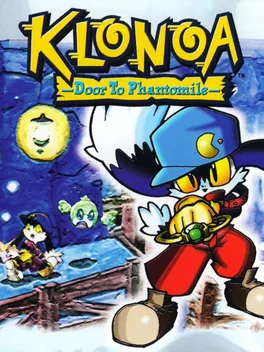
Klonoa: Door to Phantomile is a side-scrolling platform game viewed from a "2.5D" perspective. The player moves the protagonist, Klonoa, along a path in a two-dimensional fashion, but the game is rendered in three dimensions. This allows the path followed to curve and for the player to interact with objects outside of the path.
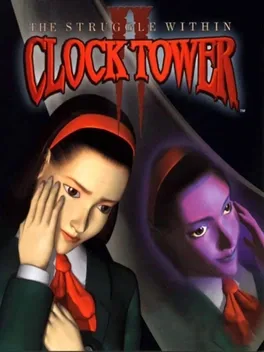
Clock Tower II: The Struggle Within, known as Clock Tower: Ghost Head in Japan, is a PlayStation point-and-click survival horror game and the third installment in the Clock Tower series. It was developed and published by Human Entertainment on March 12, 1998 in Japan and later published by Agetec on October 31, 1999 in North America. It was released as a PlayStation Classic on the Japanese PlayStation Network for PlayStation 3 on May 9, 2012. The game is a spin-off story with little to no connection to the story of the Barrows/Burroughs family or Scissorman, nor was Hifumi Kono involved with it. It does not take place in Europe as many of the others do; it takes place in Osaka, Japan. In the North American version, the setting was changed to Salinas, California, and the characters were given Westernized names. However, untranslated Japanese can be seen in the hospital entrance and even in the intro, there are Japanese-styled buildings, including a Shinto shrine. The game also contains various Japanese-styled rooms and samurai armor.
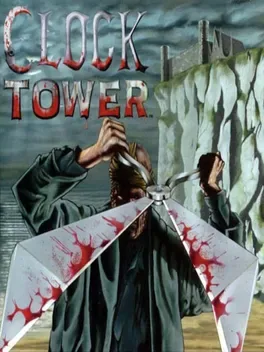
Clock Tower, known as Clock Tower 2 in Japan, is a PlayStation point-and-click survival horror game and a sequel to Clock Tower: The First Fear. One year after the events of Clock Tower: The First Fear, in late 1996, Jennifer Simpson has been adopted by Helen Maxwell, the assistant of a renowned psychiatrist, Samuel Barton, and is currently undergoing treatment at a university research building in Oslo, Norway, to help her cope with her traumatic experiences in the Clock Tower case and possibly shed some light on the mystery that was the Scissorman.

R4: Ridge Racer Type 4 is the fourth game in the Ridge Racer series. It includes eight tracks (with reverse variants, for a total of 16 layouts) and 321 vehicles, all of which are fictional. This iteration was one of the first PlayStation titles to feature Gouraud shading on polygons, giving the game a visual depth that was previously missing. It was also the first Ridge Racer game on the system to feature two-player split-screen mode and offered two different driving models.
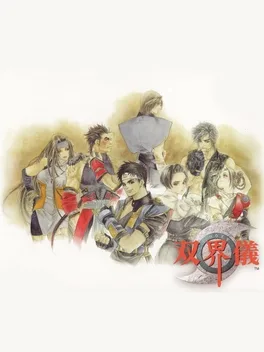
An action RPG released by Square in 1998. Features music by Secret of Mana composer Hiroki Kikuta. To progress from one level to the other you must destroy red, yellow, and blue Garan stones. By destroying the Garan stones, the bar on the right hand side of the screen will go from RED to YELLOW to BLUE. To progress to the next level, the bar must be at least to BLUE. There are some crystals that cannot be destroyed, but you can come back to get them later. You can also make the bar go up by destroying enemies, but it is not as much as destroying actual crystals.
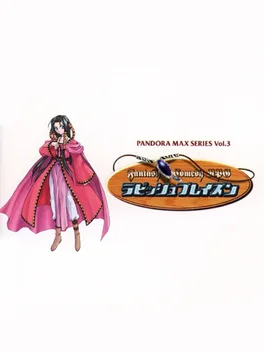
Pandora Max Series Vol. 3: Rubbish Blazon is a RPG developed and published by Pandora Box, which was released in Japan in 2000