
Grandia


Part of collection:
Grandia
(last 3 games)
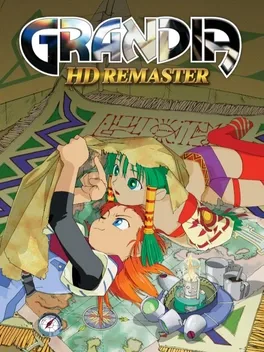
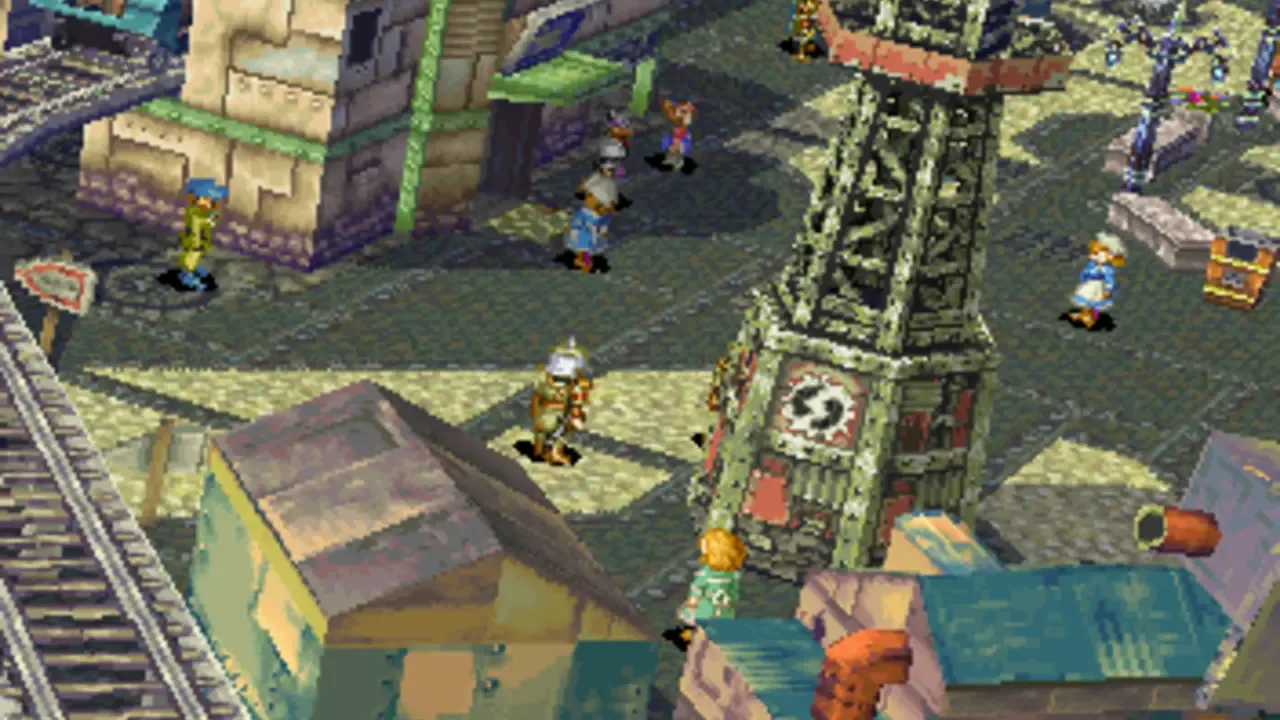
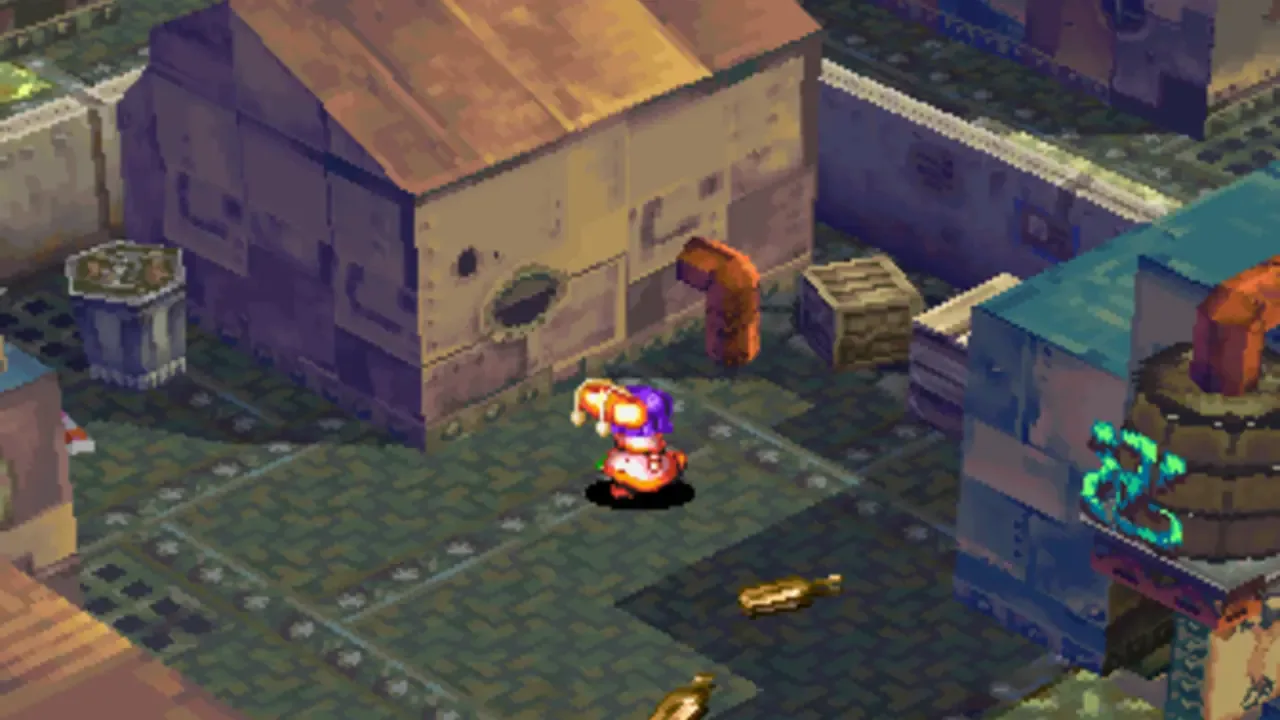
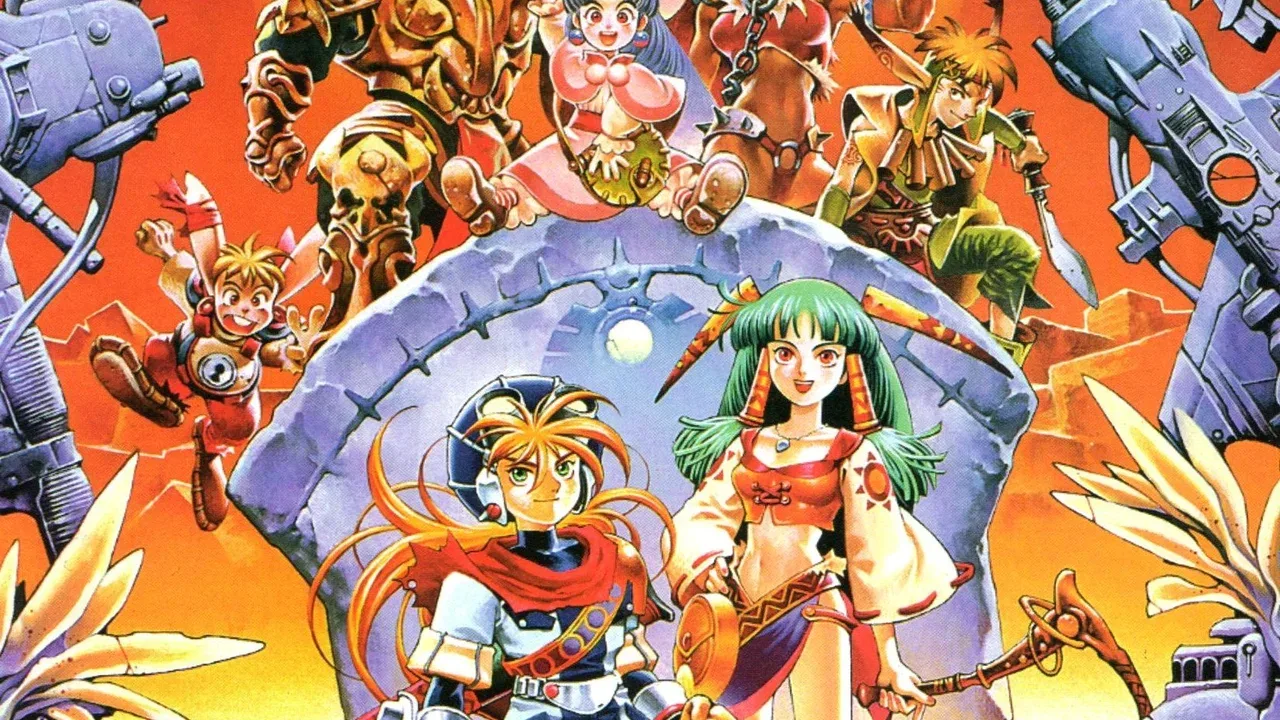
GRANDIA HD Remaster brings enhanced visuals to both gameplay and cinematic videos.
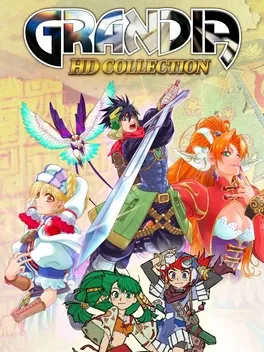
Two quintessential RPGs have finally gone portable on one of gaming's most popular console/handheld hybrid platforms. The highly anticipated GRANDIA HD Collection for the Nintendo Switch is here.
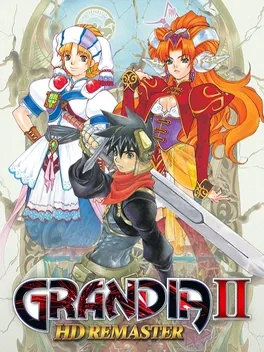
15 years after the stunning Dreamcast debut of Ryudo and his epic adventure, Grandia II is back and better than ever! The classic Japanese RPG returns with enhanced visuals, new difficulty level, and features both keyboard and gamepad support! Grandia II is famous for its great characters, mature storytelling, memorable music and fantastic battle system, and there’s no better way to experience one of the most beloved console RPGs of the 32-bit era than this special Anniversary Edition!
Could be interesting

Final Fantasy IX is the ninth main installment in the FF series. The title is a return to the series's roots, with gameplay features and references to the past games featuring throughout, as well as a medieval fantasy setting and cartoonish art style as a break from the sci-fi slant style of Final Fantasy VII and Final Fantasy VIII.
In Dragon Quest IX: Sentinels of the Starry Skies, players begin their adventure as a city guardian who is sent to retrieve a sacred trees fruits, which have the power to grant wishes. Players travel the world, conquer fearsome monsters and unravel an epic storyline. During their journey, players will encounter mighty opponents in fast-paced battles, and also interact with a colorful cast of characters.

Lead epic battles in a new FINAL FANTASY world. Betrayal and darker dealings await in Squaresoft's game of war. Fight hundreds of battles across dangerous 3D terrain as an ancient blood feud awakens a deadlier foe.

Final Fantasy VIII is the eighth main installment in the Final Fantasy series. The gameplay makes a departure from many series standards. While it still uses the Active Time Battle system, it deviates from the series' traditional means of boosting a character's power via leveling, although levels are not completely abandoned as they were in Final Fantasy II. In addition, it does not have a Magic Point-based system for spell-casting. Instead, magic is collected, drawn, and created from items, and is used to power up the characters via the junction system.
The 9th core Atelier game and the first of the two Mana Khemia games. The game's main focus is on the lead protagonist, Vayne Aurelius, the son of a legendary alchemist named Theofratus who had disappeared sometime after Vayne's birth. Since then, Vayne has led the life of a hermit, his only companion being a Mana in cat form named Sulpher. Vayne is invited to the Al-Revis Academy for alchemy training by Zeppel, one of the professors. He is quickly indoctrinated into the school by becoming part of an atelier led by Flay Gunnar (an older student who is known as The Defender of Justice) along with two other students, Jess (a clumsy girl who is nevertheless adept at alchemy), and Nikki (an impulsive beastgirl). They are soon joined by Pamela (the school's resident ghost), Anna (an 11-year-old master swordsman), Roxis (the son of a famous family of alchemists who is quickly forced to join the workshop by Flay), and Muppy (an alien the group discovers on an assignment). The eight of them are able to succeed at completing assignments, learn the skills of alchemy, and allow the workshop to prosper.
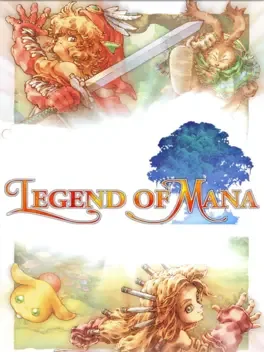
While incorporating action role-playing game elements from the three games which preceded it, Legend of Mana has its own distinct style of gameplay. Most notably, it gives the player the ability to shape the game's world of Fa'Diel according to his or her desires, a system which was incorporated through the use of "artifacts," which are gained as the player progresses through the game. The player uses the artifacts to create different towns, dungeons, etc., called "Lands", to venture to and explore. This creates a non-linear gameplay, since the game is driven by a series of what would be considered side-quests in other games. Legend of Mana features three different plots which can occur simultaneously, and which do not necessarily need to be completed for the player to finish the game. Legend of Mana was a financial success in Japan. While the game garnered considerable praise for its graphics and presentation, many critics and fans were turned off by the game's lack of a main storyline.
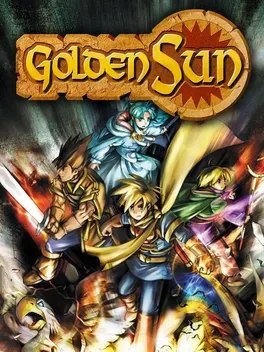
Evil is slowly covering the world. Forces of darkness are pursuing the lost art of Alchemy, and the fate of mankind hangs in the balance. You and your companions, armed with weapons, Psynergy magic, and a host of elemental creatures, must return peace to the world. Golden Sun is an epic role-playing game with an engrossing story, set in a massive world. Gather the elemental Djinn – fire, water, wind and earth – and combine them in unique ways to produce awesome magical effects.
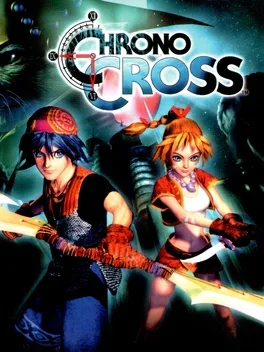
CHRONO CROSS, the sequel to the SNES favorite CHRONO TRIGGER, is one of the most ambitious role-playing games ever made. There are over 40 playable characters, each with their back-story, special moves, abilities, and weapons. The story spans two discs and follows the story of Serge, a young man who is able to cross dimensions. Suddenly he is pulled between worlds, trying to figure out his own past at the same time. The graphics are bright and beautiful, utilizing the PlayStation's capabilities to the fullest. The polygonal character models are huge and detailed, and the pre-rendered backgrounds are immaculately detailed. The music is composed and arranged by Yasunori Mitsuda, and features very realistic-sounding synthesizers. The battle system revolves around Elements, which are used to grant magical powers, as well as to summon huge monsters. For anyone that wanted to see the story of CHRONO TRIGGER continue, this is your chance.
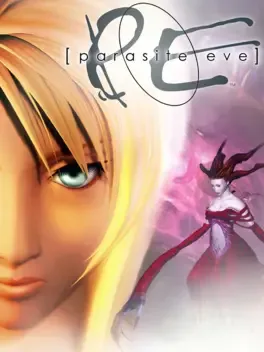
Parasite Eve is a survival horror role-playing video game developed and published by SquareSoft (now Square Enix) for the Sony PlayStation console. The game follows the story of Aya Brea, a rookie NYPD officer who becomes embroiled in a series of bizarre and deadly events related to a genetic mutation known as mitochondria. The game combines elements of horror, science fiction, and RPG gameplay, featuring real-time battles, exploration, puzzle-solving, and character development. The game's plot is inspired by the novel of the same name by Hideaki Sena, and its gameplay mechanics were influenced by the Final Fantasy series. Parasite Eve was critically acclaimed upon its release in 1998, and is widely regarded as a classic of the survival horror genre.
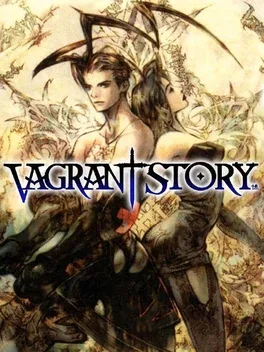
Adventure into a world of unparalleled depth and danger with SquareSoft's Vagrant Story. In this sweeping dungeon-crawling epic you play as Ashley Riot, a young assassin and spy for the organization known as Riskbreakers. Your goal is to unravel a deep and twisted plot and come to terms with the recent death of your wife and child. If this sounds a bit too cerebral never fear. Your path to recapturing your sense of humanity hinges on the destruction of countless vicious monsters and the exploration of dark and dangerous dungeons. Vagrant Story is awash in gorgeous scenery and features designs from Yasumi Matsuno and Akihiko Yoshida, the acclaimed artists and creators behind Final Fantasy Tactics.