
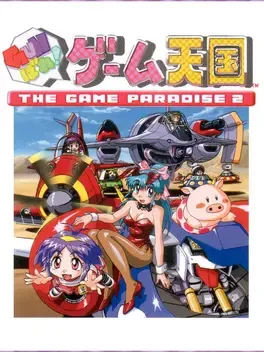
Gunbare! Game Tengoku: The Game Paradise 2


Buy
Part of collection:
Game Tengoku: The Game Paradise!
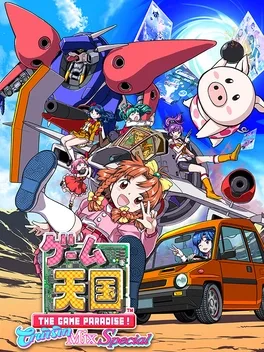
Game Tengoku CruisinMix Special is an enhanced version of Jaleco’s vertically scrolling shoot ’em up Game Tengoku. It features a parody game-world setting with characters and references drawn from Jaleco’s arcade history. The release includes the original console version content, along with the additional Arcade Mode+, which expands on the original arcade-style play.
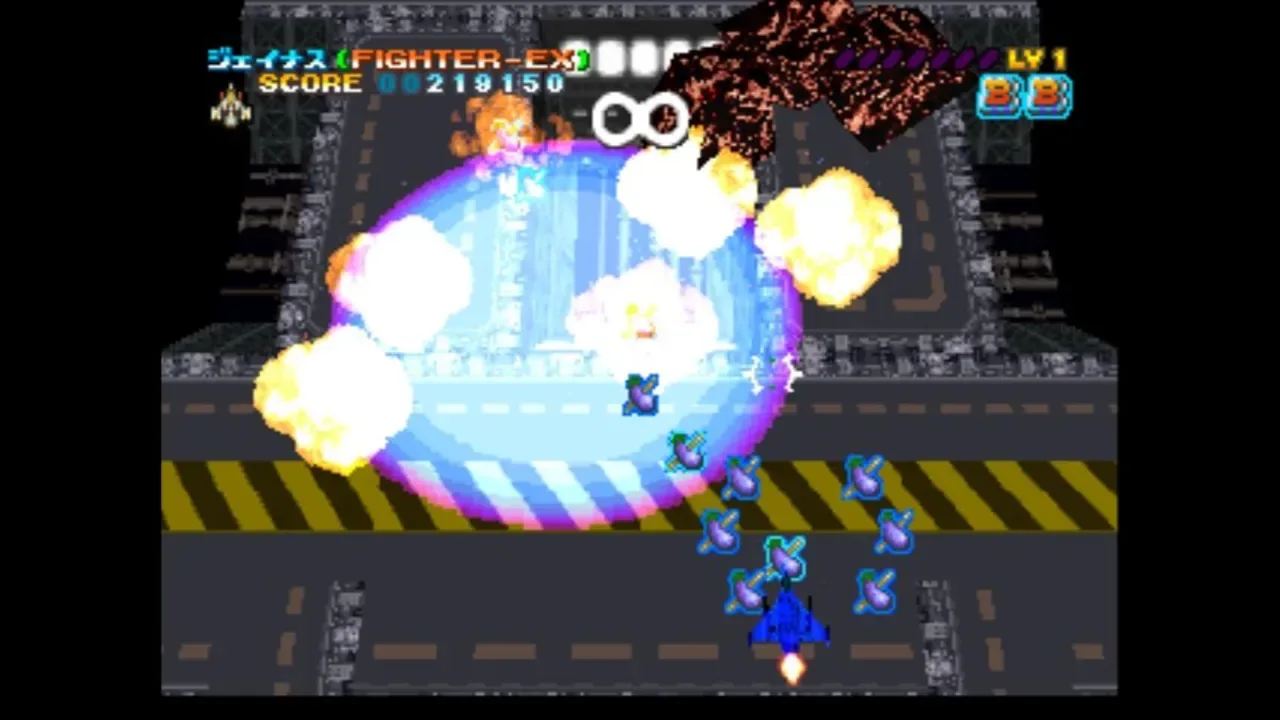
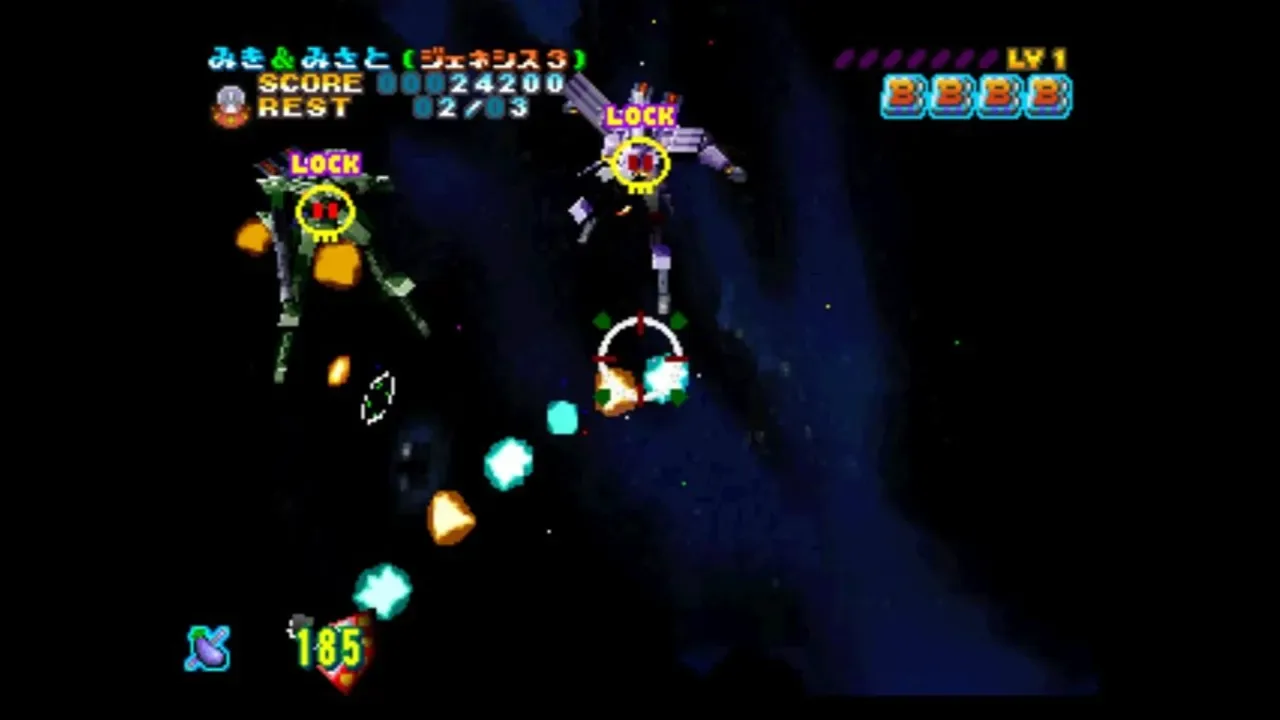
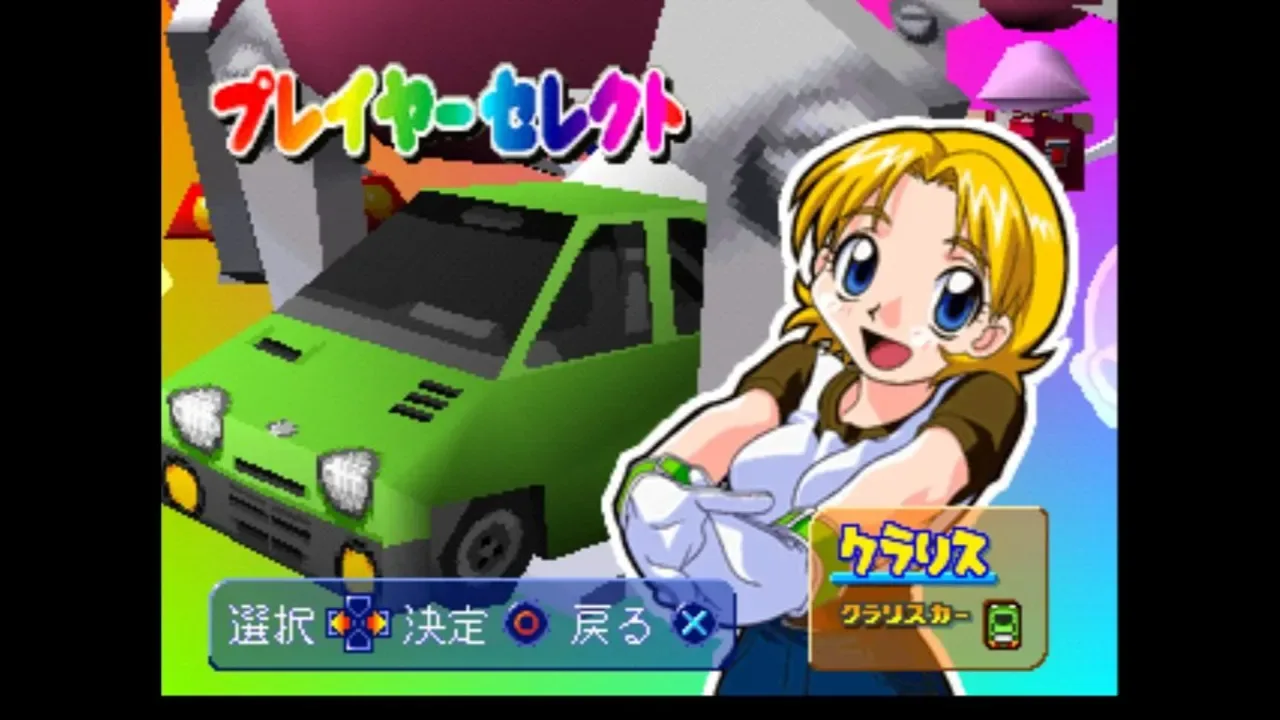
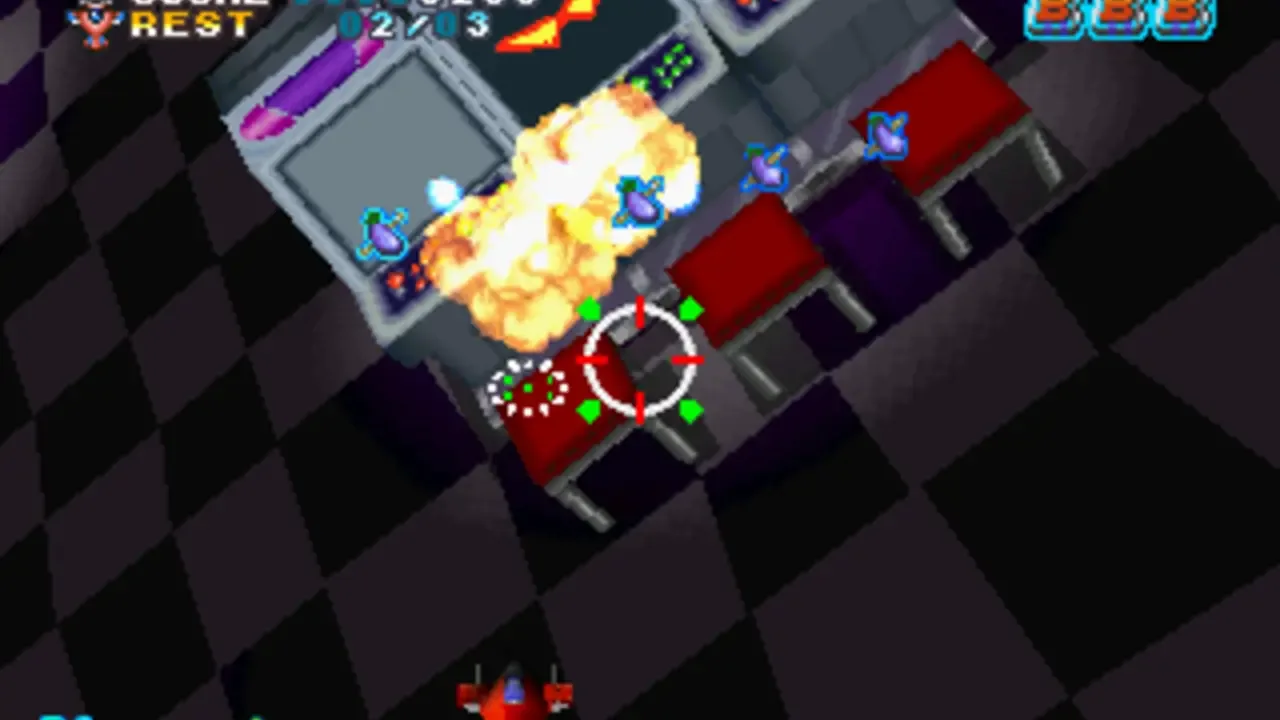
PlayStation-only sequel to Jaleco's crossover cute-'em-up. The system uses a gun controller connected to the 2P controller socket to provide cover fire for the shooter. The title of the game is therefore a combination of Gun and the Japanese word Ganbare (Don't give up!). Even if you don't have a gun controller, you can use a DualShock controller to shoot for cover.
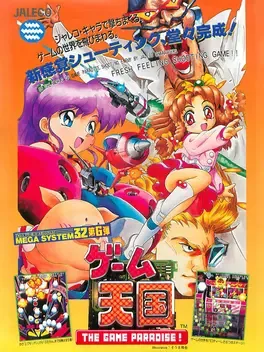
The Game Paradise: Master of Shooting is a vertically scrolling shoot ’em up developed and published by Jaleco. Set inside an arcade taken over by the scientist Genius Yamada, it features playable characters drawn from earlier Jaleco games, each with different weapons and bomb attacks. The game uses a parody style, with stages and enemies based on arcade machines, game genres and Jaleco’s own catalogue. The Sega Saturn version added an auto-bomber function that automatically uses bombs when hit by bullets, as well as original stages and additional playable characters. In addition, a scene in which deformed characters perform skits between stages has been added. These additional elements can be viewed by selecting "Arrange Mode" on the title screen. Players can also select the arcade version without the added elements, but the ending will be changed.
Could be interesting
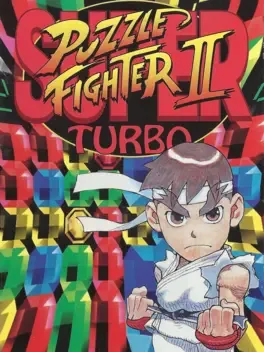
The game's title is a parody of Super Street Fighter II Turbo (or Super Street Fighter II X in Japan), as there are no other Puzzle Fighter games, and the game includes music and interface elements spoofing the Street Fighter Alpha and Darkstalkers games. It was a response to SEGA's popular Puyo Puyo 2 that has been sweeping Japanese arcade. A HD-remake version titled Super Puzzle Fighter II Turbo HD Remix, is available for purchase on Microsoft's Xbox Live Arcade and Sony's PlayStation Network.
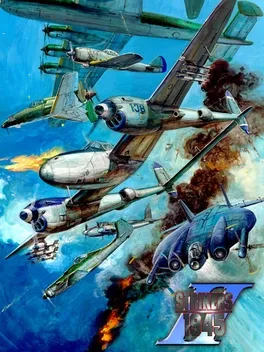
Continuing where the last game ended, the forces of CANY had been demolished by the previous Strikers' line-up. However, a small group known as the FGR stole the sources and technology responsible for the last events and planned to continue CANYs work by initiating world-warfare with massive mech technology. Once again, the Strikers are called into action.
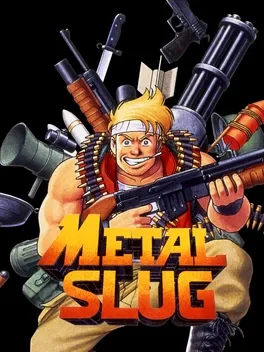
Metal Slug is a 1996 run-and-gun arcade video game originally developed by Nazca Corporation and released by SNK for the Neo Geo MVS. It is the first installment in the eponymous series. Set in 2028, players assume the role of Peregrine Falcon Strike Force soldiers Marco Rossi and Tarma Roving in a fight against the Rebel Army led by Donald Morden and overthrow his coup d'état to prevent a New World Order.

Harmful Park was only released on the Playstation in Japan by a small company named Sky Think Systems. It's your standard 2D side-scrolling shooter, except set in a bizarre amusement park. As the (relatively lengthy) introduction tells you, an evil scientist has taken over Heartful Park and is using it for nefarious purposes. One of his colleagues aims to stop him, but she's old to do it herself. So, she commands her two slacker daughters to save the day, equipping them with some kind of flying motorcycle armed to the teeth with strange weapons.
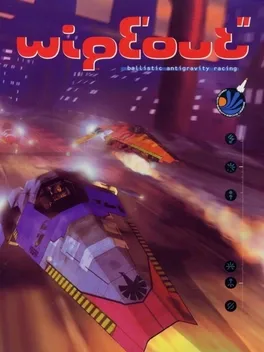
Wipeout is a racing game that is set in 2052, where players compete in the F3600 anti-gravity racing league. The game allows the player to pilot one of a selection of craft in races on several different tracks. There are four racing teams to choose from, and two ships for each team. Each ship has its distinct characteristics of acceleration, top speed, mass, and turning radius. By piloting their craft over power-up pads found on the tracks, the player can pick up various weapons and power-ups such as shields, turbo boosts, mines, shock waves, rockets, or missiles. The power-ups allow the player to either protect their craft or disrupt the competitors' craft.
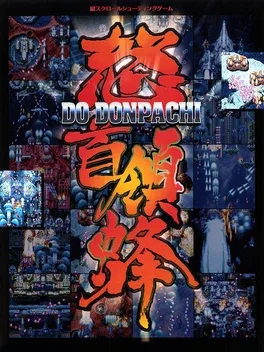
Compared to DonPachi, DoDonPachi is generally known for introducing new gameplay elements while improving or changing existing ones. The overall background of the game, unlike following sequels, remains more or less centered around a supposed invasion by a mysterious race of mechanized aliens, which the player is called to face throughout its run. However, more sinister and shocking secrets lie beneath the surface, accessible only to those brave and skilled enough to clear the entire game.
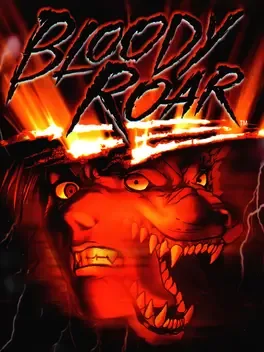
Bloody Roar, known as Bloody Roar: Hyper Beast Duel in Europe and Japan, is a fighting video game originally developed by Raizing (now Eighting) as an arcade game. It was later adapted for the PlayStation by Hudson Soft and published by Sony Computer Entertainment for the PlayStation. The arcade version was released on July 7, 1997 and was titled Beastorizer in North America. The PlayStation version was released in Japan on November 6, 1997, in North America (under the title Bloody Roar) on October 31, 1997 and in Europe on March 1998. Bloody Roar is the first game in the Bloody Roar video game series and was followed by four sequels on multiple platforms. The game's story centers on a group of warriors known as "zoanthropes", who have the power to transform into half-human half-animal "Beasts", and the Tylon Corporation, and underground organization that seeks to use zoanthropes as mind-controlled weapons. The game received generally positive reviews from critics for its originality and graphics, while the audio received mixed opinions. The game's success resulted in its re-release for The Best range on October 14, 1999. The game was re-released on the PlayStation Network in North America on August 20, 2009.
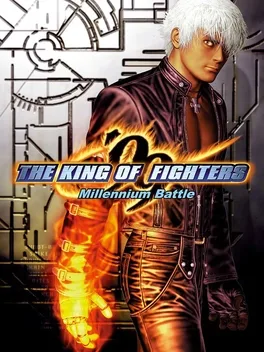
"The King of Fighters '99: Millennium Battle" is the sixth game in The King of Fighters series by SNK. Unlike in previous games of the series, there are four characters per team instead of three, with the fourth serving as a "Striker", a fighter whose function is only to enter a match, attack the opponent and leave without replacing their teammates. In total, there are seven teams, each containing four characters, four Team Edit characters and a boss.
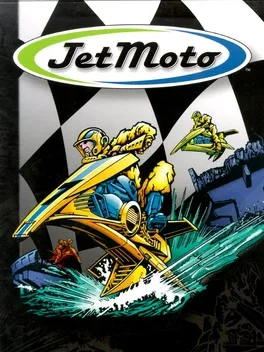
Gameplay in the Jet Moto series differs from traditional racing games, as players instead control hoverbikes which hover close above the ground and can be driven over both land and water. Most of the courses in the games are designed to take advantage of this ability. The game has a variant of the traditional road course but also introduces a new course type, known as a suicide course. Instead of being a continuous loop, these tracks have checkpoints at either end of the course, and the starting grid in the centre. Characters race to one end, then turn around to head for the other checkpoint, repeating the process until all laps are complete. This provides a new gameplay dynamic as often the player must navigate oncoming traffic. Characters are split into teams, and bikes are adorned with logos of products such as Mountain Dew and Butterfinger, similar to real-life sponsored racing.
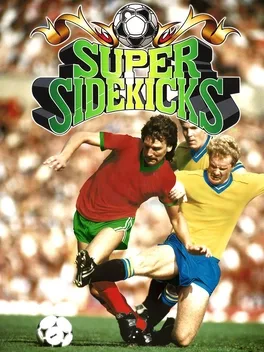
Published in 1993, the original Super Sidekicks (known as Tokuten Ou, "Goal-Scoring King" in Japan) was SNK's first soccer video game. It features 12 teams divided into two groups which compete for the "SNK Cup" (the main differences between teams is their formations on the field): Group A: Germany, Italy, Spain, England, Mexico, Japan Group B: Argentina, Holland, Brazil, France, United States, South Korea The players' team plays against all the others in their group, then it goes into an elimination tournament's semifinals and then the final to win the cup. There was also a hidden feature in the game, which wasn't documented, and affects a single player game. During a free kick for the CPU if the player has tapped button A for player two, the CPU performs a short-shot, while pressing the button A performs a longer kick.