
Parasite Eve









Buy
Part of collection:
Parasite Eve
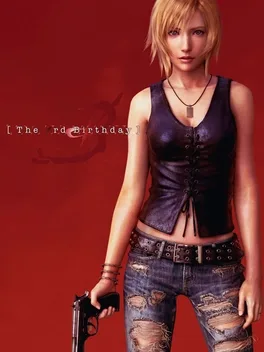
The game is an action role-playing game described by Square Enix as a "cinematic action RPG". Director Hajime Tabata noted that the gameplay and plot are intertwined due to a newly introduced ability called "Overdive," an ability that lets the player switch bodies with one of their team members, allowing them to control friendly NPCs. Teammates can be ordered either to target specific enemies or to defend themselves in combat. The player is able change their controlled character in real-time, intermixed with their combat actions. The game is played over-the-shoulder, comparable to games such as Resident Evil 4, Dead Space and the Mass Effect series. An array of different costumes will be available for Aya to choose from throughout the game, but only after they are unlocked by completing the game in various difficulty modes. Clothing in the game deteriorates due to battle damage, revealing Aya's skin to various degrees.
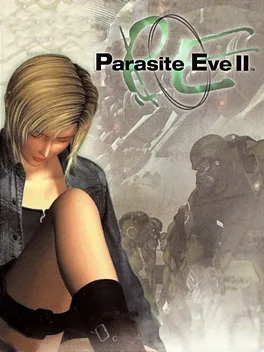
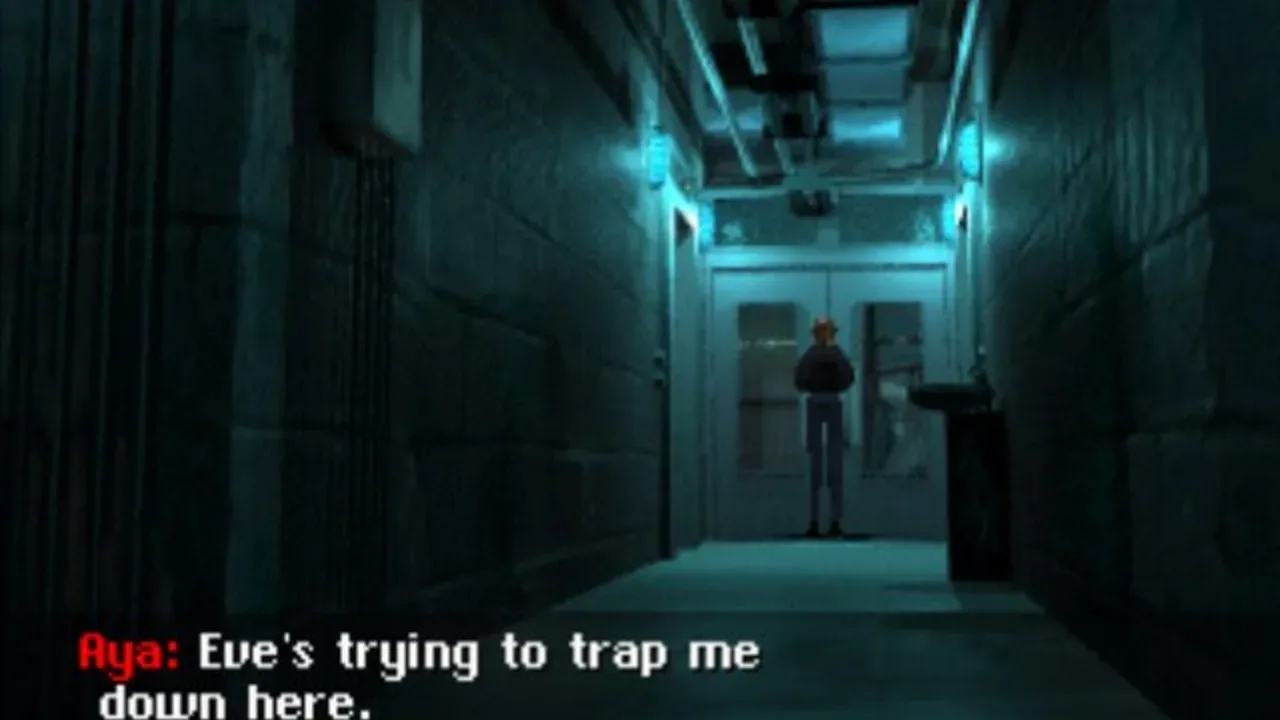
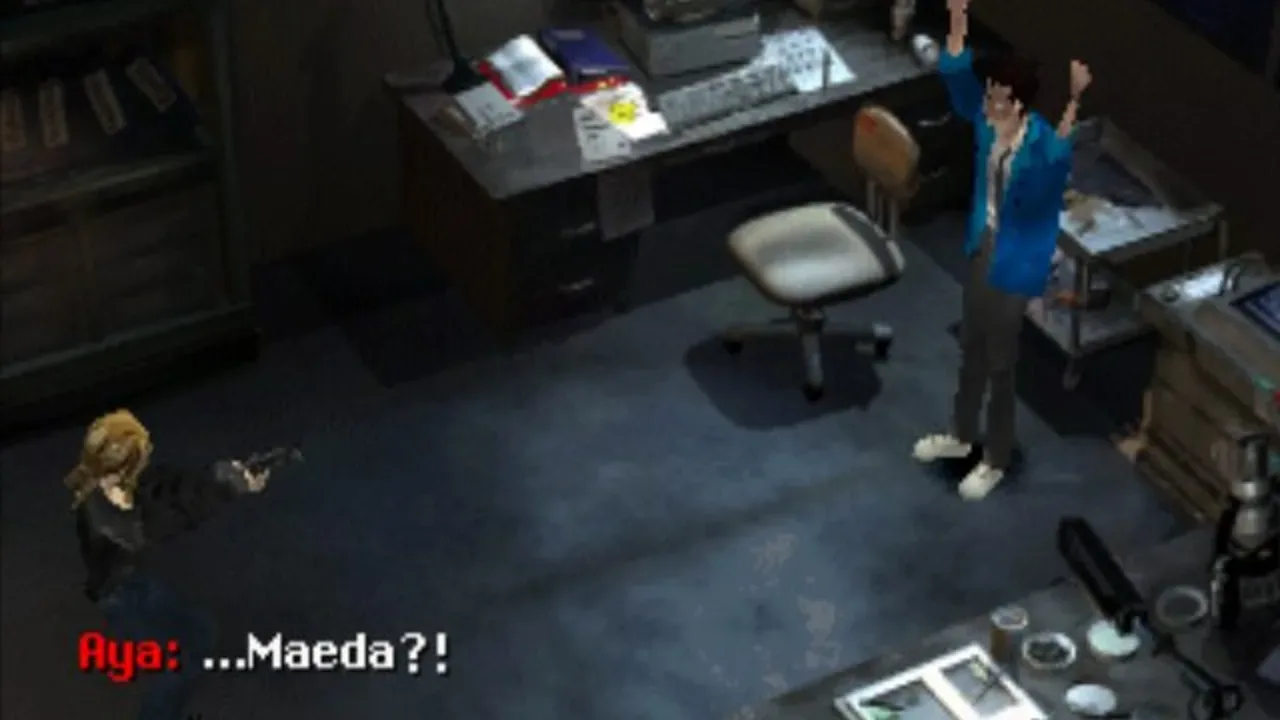
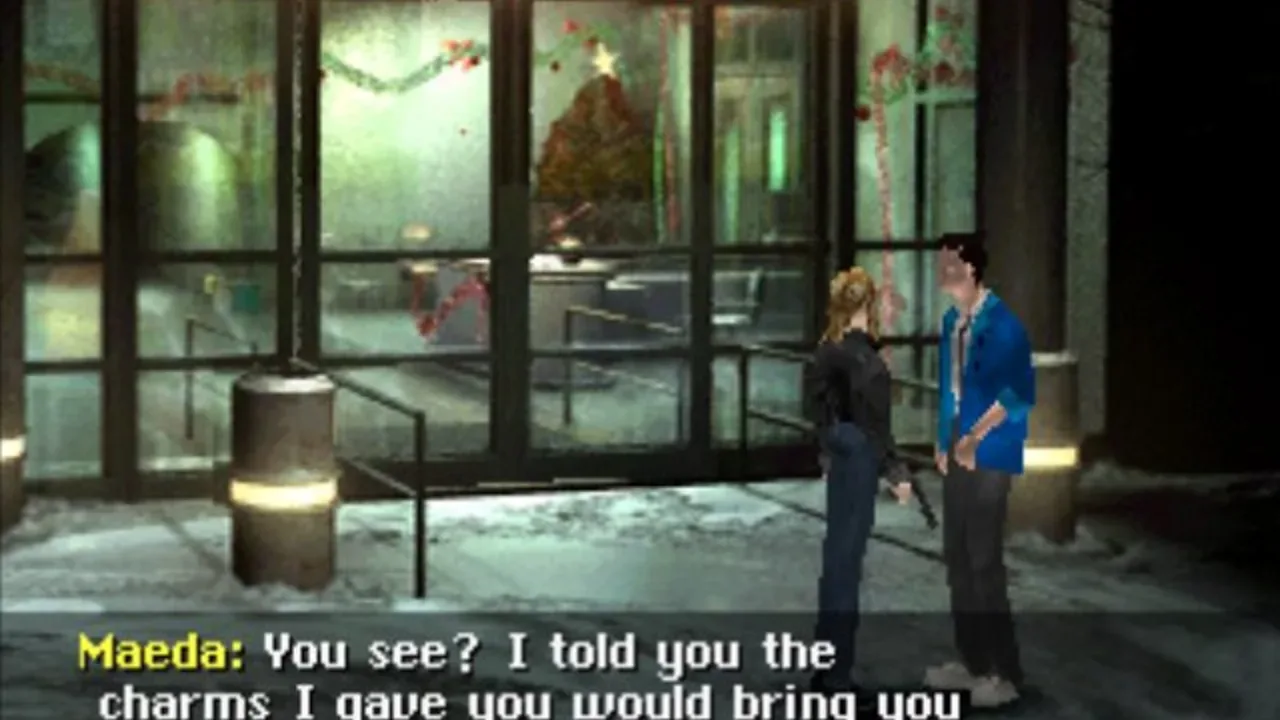
Parasite Eve II is an action role-playing survival horror video game released exclusively for the PlayStation. The game was developed by Square and published in Japan in 1999 and in both North America and, unlike the previous game, in PAL regions in 2000. It is the sequel to Parasite Eve and the second game in the series of the same name. Parasite Eve II is set several years after the events in the original game. The protagonist from the first game, Aya Brea, also features in this game as the playable character. She becomes involved with another outbreak of Mitochondrial creatures. Gameplay diverges from the previous game: battles take place in real time and the area of action is less restrictive. The approach is more typical of traditional survival horror games, although some role-playing elements are retained.
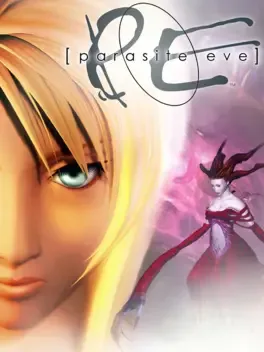
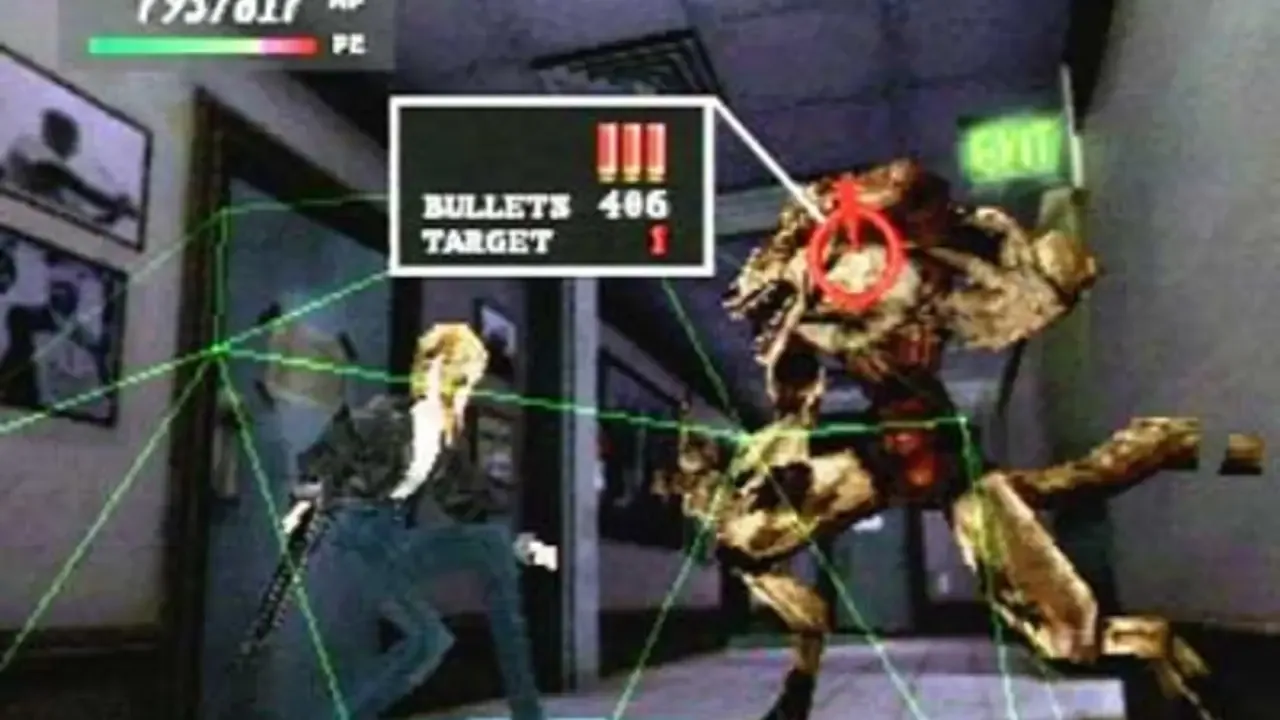
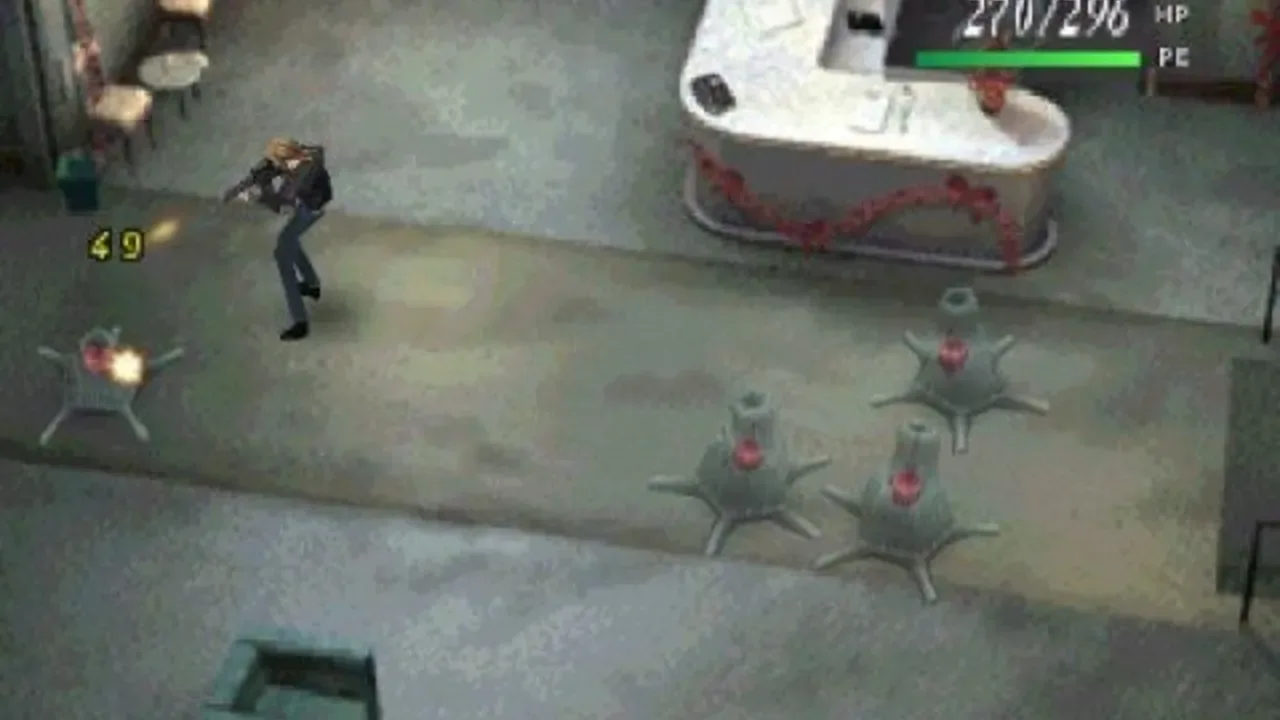
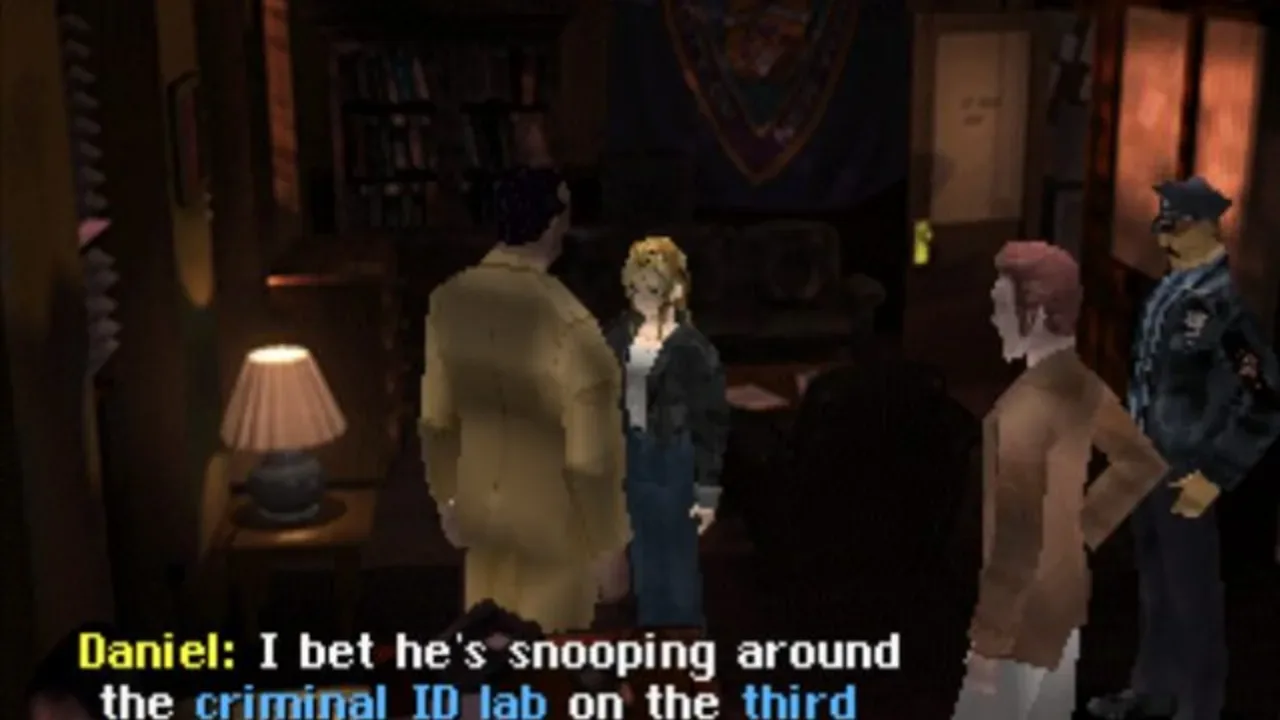
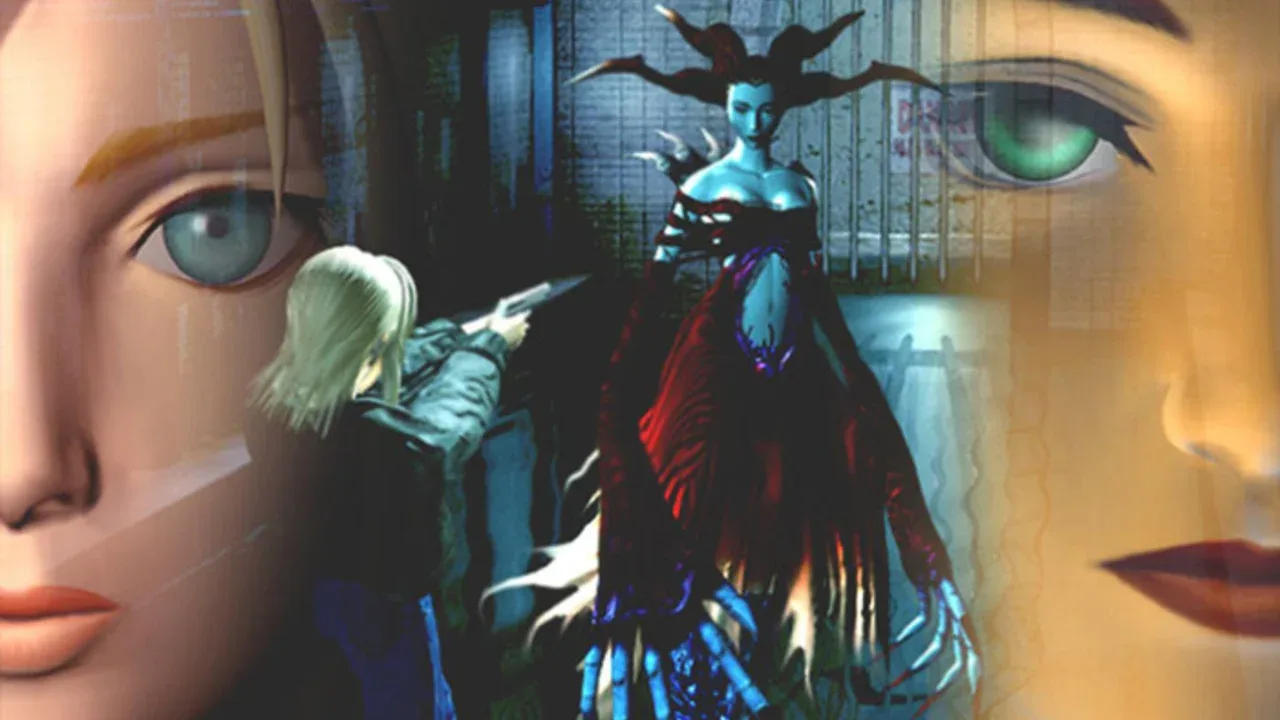
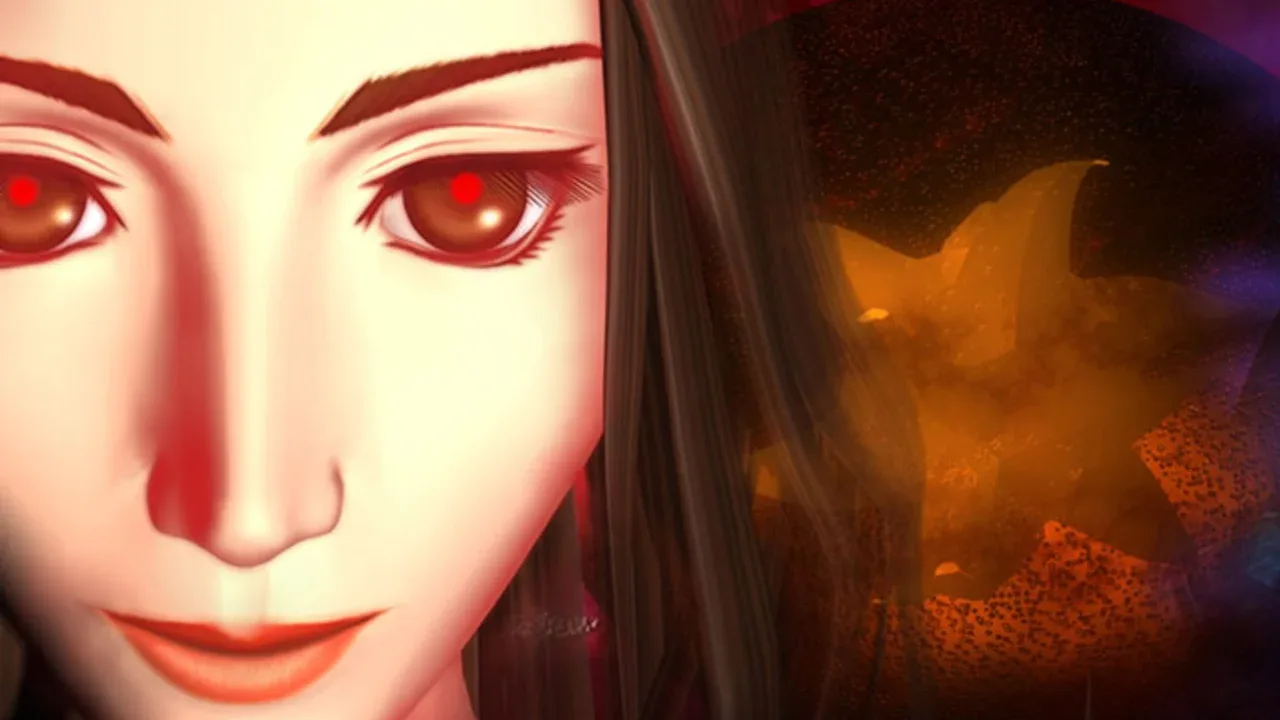
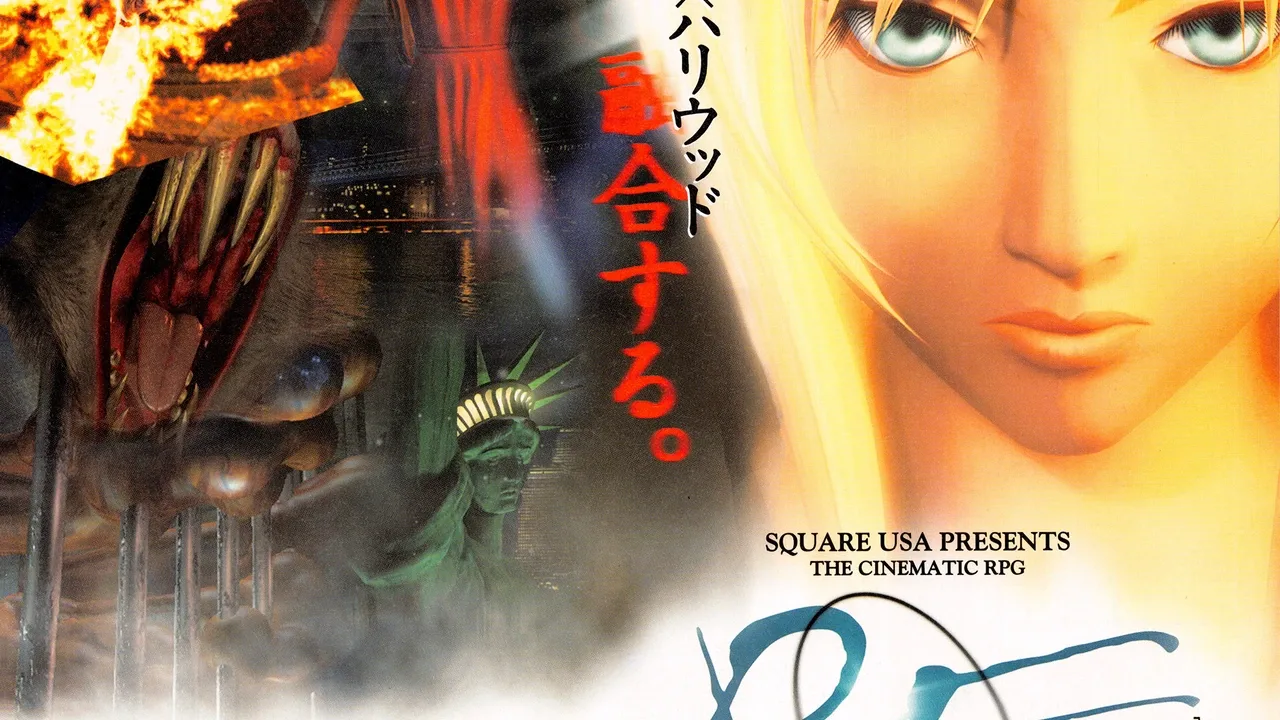
Parasite Eve is a survival horror role-playing video game developed and published by SquareSoft (now Square Enix) for the Sony PlayStation console. The game follows the story of Aya Brea, a rookie NYPD officer who becomes embroiled in a series of bizarre and deadly events related to a genetic mutation known as mitochondria. The game combines elements of horror, science fiction, and RPG gameplay, featuring real-time battles, exploration, puzzle-solving, and character development. The game's plot is inspired by the novel of the same name by Hideaki Sena, and its gameplay mechanics were influenced by the Final Fantasy series. Parasite Eve was critically acclaimed upon its release in 1998, and is widely regarded as a classic of the survival horror genre.
Part of franchise:
Parasite Eve
Parasite Eve is a survival horror role-playing video game developed and published by SquareSoft (now Square Enix) for the Sony PlayStation console. The game follows the story of Aya Brea, a rookie NYPD officer who becomes embroiled in a series of bizarre and deadly events related to a genetic mutation known as mitochondria. The game combines elements of horror, science fiction, and RPG gameplay, featuring real-time battles, exploration, puzzle-solving, and character development. The game's plot is inspired by the novel of the same name by Hideaki Sena, and its gameplay mechanics were influenced by the Final Fantasy series. Parasite Eve was critically acclaimed upon its release in 1998, and is widely regarded as a classic of the survival horror genre.
Could be interesting
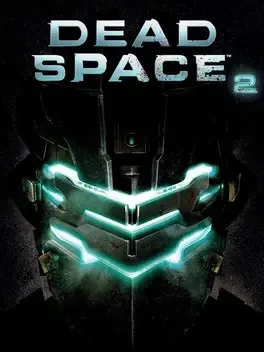
Three years after the Necromorph infestation aboard the USS Ishimura, Isaac Clarke awakens from a coma, confused, disoriented, and on a space station called The Sprawl. Just as his health begins to improve, The Sprawl is overrun with even more advanced forms of the alien-zombie hybrids.
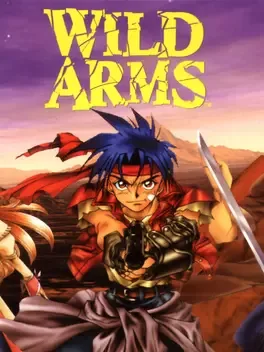
Wild Arms is a Western-themed role-playing video game developed by Japanese software company Media.Vision. Originally released in Japan in 1996 for the Sony PlayStation video game console, it was later translated and released in North America in 1997 and Europe in 1998 by Sony Computer Entertainment. It is noteworthy for not only being one of the first role-playing video games on the PlayStation, but also one of the few to feature a Western American setting and motif. The game features 2D computer graphics for normal gameplay, while battle sequences are rendered in 3D.
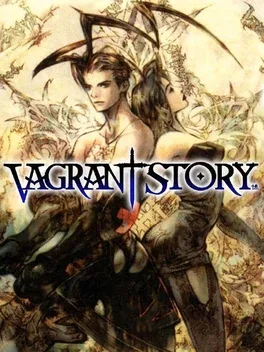
Adventure into a world of unparalleled depth and danger with SquareSoft's Vagrant Story. In this sweeping dungeon-crawling epic you play as Ashley Riot, a young assassin and spy for the organization known as Riskbreakers. Your goal is to unravel a deep and twisted plot and come to terms with the recent death of your wife and child. If this sounds a bit too cerebral never fear. Your path to recapturing your sense of humanity hinges on the destruction of countless vicious monsters and the exploration of dark and dangerous dungeons. Vagrant Story is awash in gorgeous scenery and features designs from Yasumi Matsuno and Akihiko Yoshida, the acclaimed artists and creators behind Final Fantasy Tactics.

Dino Crisis is a survival horror video game developed and published by Capcom in 1999. Set in a remote research facility, it follows special agent Regina as she investigates a scientific experiment gone wrong. The game combines exploration, puzzle-solving, and combat against hostile dinosaurs. It uses a real-time 3D environment rather than pre-rendered backgrounds, distinguishing it from earlier Capcom horror titles. Dino Crisis is often noted for its emphasis on tension, limited resources, and fast, unpredictable enemies.
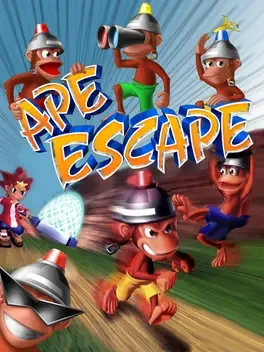
Ape Escape is a single-player 3D platformer released in 1999 for the Playstation. Using the analog stick, you must capture apes that have escaped throughout time to stop them from screwing up the fabric of time and space.
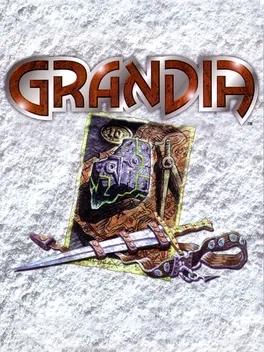
Grandia is a role-playing video game developed by Game Arts and published by Entertainment Software Publishing for the Sega Saturn console as the first game in their Grandia series. Initially released in Japan in 1997, the game was later ported to the PlayStation in 1999, with an English version of the game appearing on the platform in North America in the following September by Sony Computer Entertainment America, and later in Europe in March 2000 by Ubisoft. The game was produced by much of the same staff who worked on the company's previous role-playing endeavor, the Lunar series, including producer Yoichi Miyagi and music composer Noriyuki Iwadare. Since its release, Grandia has become notable for its combat mechanics, which have been carried over to future games within the franchise, and has spawned two spin-off titles – Grandia: Digital Museum and Grandia: Parallel Trippers – both released exclusively in Japan. In celebration of the announcement of renewing development on Grandia Online, which acts as a prequel to Grandia, the game was re-released on Sony's PlayStation Network platform in Japan as a downloadable title in April 2009 and in North America on February 25, 2010. It was re-released in Europe on November 10, 2010.
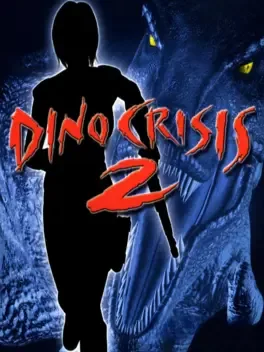
Dino Crisis 2 is a third-person action-adventure game and sequel to Dino Crisis. In a change from the survival horror theme of the first game, Dino Crisis 2 is more shoot 'em up oriented. The character always runs, removing the need for the run button from the first game; players can carry a second gun, and more weapons were added. Besides gameplay changes, the game also introduces new species of dinosaurs and lizards.
Parasite Eve II is an action role-playing survival horror video game released exclusively for the PlayStation. The game was developed by Square and published in Japan in 1999 and in both North America and, unlike the previous game, in PAL regions in 2000. It is the sequel to Parasite Eve and the second game in the series of the same name. Parasite Eve II is set several years after the events in the original game. The protagonist from the first game, Aya Brea, also features in this game as the playable character. She becomes involved with another outbreak of Mitochondrial creatures. Gameplay diverges from the previous game: battles take place in real time and the area of action is less restrictive. The approach is more typical of traditional survival horror games, although some role-playing elements are retained.
The game is an action role-playing game described by Square Enix as a "cinematic action RPG". Director Hajime Tabata noted that the gameplay and plot are intertwined due to a newly introduced ability called "Overdive," an ability that lets the player switch bodies with one of their team members, allowing them to control friendly NPCs. Teammates can be ordered either to target specific enemies or to defend themselves in combat. The player is able change their controlled character in real-time, intermixed with their combat actions. The game is played over-the-shoulder, comparable to games such as Resident Evil 4, Dead Space and the Mass Effect series. An array of different costumes will be available for Aya to choose from throughout the game, but only after they are unlocked by completing the game in various difficulty modes. Clothing in the game deteriorates due to battle damage, revealing Aya's skin to various degrees.
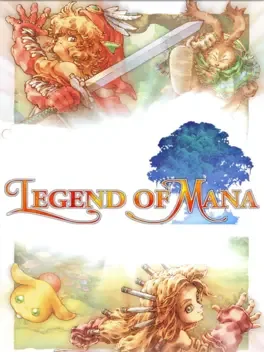
While incorporating action role-playing game elements from the three games which preceded it, Legend of Mana has its own distinct style of gameplay. Most notably, it gives the player the ability to shape the game's world of Fa'Diel according to his or her desires, a system which was incorporated through the use of "artifacts," which are gained as the player progresses through the game. The player uses the artifacts to create different towns, dungeons, etc., called "Lands", to venture to and explore. This creates a non-linear gameplay, since the game is driven by a series of what would be considered side-quests in other games. Legend of Mana features three different plots which can occur simultaneously, and which do not necessarily need to be completed for the player to finish the game. Legend of Mana was a financial success in Japan. While the game garnered considerable praise for its graphics and presentation, many critics and fans were turned off by the game's lack of a main storyline.