
Tokyo Xtreme Racer: Zero


Buy
Part of collection:
Tokyo Xtreme Racer
(last 3 games)
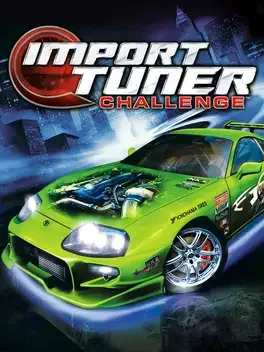
Import Tuner Challenge is set on the Shuto Expressways of Tokyo, Japan. There a total of 415 rivals in the game. It features C1 and Shinkanjo like many other TXR games but unlike TXR3, Import Tuner Challenge does not feature the highways of Nagoya, Osaka, and Yokohama. But two new highway sections of Tokyo are in the game which are Rt.3 Shibuya and Rt.4 Shinjuku.
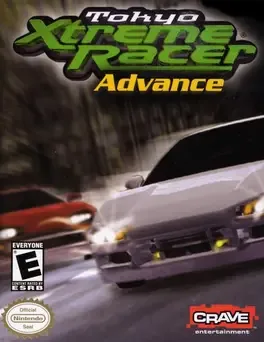
Game Boy Advance adaptation of the popular Japanese Tokyo Xtreme Racing series of games. The GBA game features more than 16 unique user-playable cars to choose from, each with various levels of car tuning options. "Tuner" fans are able to upgrade and customize their cars with plenty of performance and style modifications. Gameplay is similar to the console titles, meaning you explore different metropolitan areas and look for other car fans to challenge them to races. Players race through three cities- Tokyo, London and Los Angeles-on six different tracks. There are more than 60 different rivals to challenge.
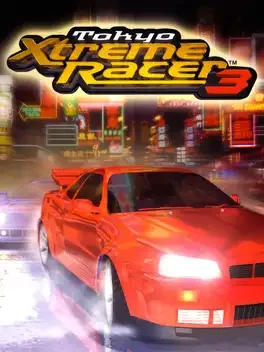
Tokyo Xtreme Racer 3 (or 首都高バトル 01 in the Japanese release) was released for the PlayStation 2 in 2003 as part of Genki's Shutokou Battle series. This entry in the series was released two years after the previous game, Tokyo Xtreme Racer: Zero. Much like other entries in the series, the objective is to become the fastest racer on the highways of Japan, but unlike those before it, TXR3 allows the players to race in Nagoya and Osaka instead of just Tokyo, and the Tokyo map is expanded to include the Yokohama area. In addition, this title adds a weather cycle. TXR3 includes a fully-licensed list of cars from a variety of Japanese, American, and European manufacturers instead of the old car model designation method of "Type-(technical model name)", and furthermore, the car list itself was culled of many repeat models so to simplify and reduce the number of cars. The A, B, and C car designations were also removed. Graphically speaking, Tokyo Xtreme Racer 3 is a definite improvement over previous entries. Car models feature a higher polygon count and are much more extensively detailed and lighting effects were also greatly improved, featuring light streaking effects, road reflections and higher quality car reflections.
Part of franchise:
Tokyo Xtreme Racer
(last 3 games)
Import Tuner Challenge is set on the Shuto Expressways of Tokyo, Japan. There a total of 415 rivals in the game. It features C1 and Shinkanjo like many other TXR games but unlike TXR3, Import Tuner Challenge does not feature the highways of Nagoya, Osaka, and Yokohama. But two new highway sections of Tokyo are in the game which are Rt.3 Shibuya and Rt.4 Shinjuku.
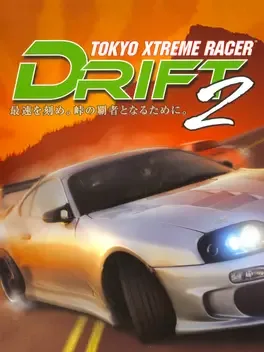
The mountains of Japan are calling - and so are your racing rivals. With the mysterious disappearance of the reigning champion, the tournament crown is suddenly up for grabs. Many will vie, only one can win. Do you have what it takes to race, grind and drift your way to the ultimate racing prize? Race in the dangerous mountains of Japan - Hakone, Niko, Haruna and Akagi - all faithfully recreated using the most advanced laser techniques to maintain every tight twist and turn.
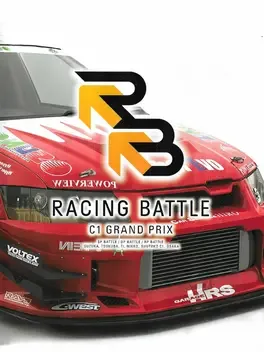
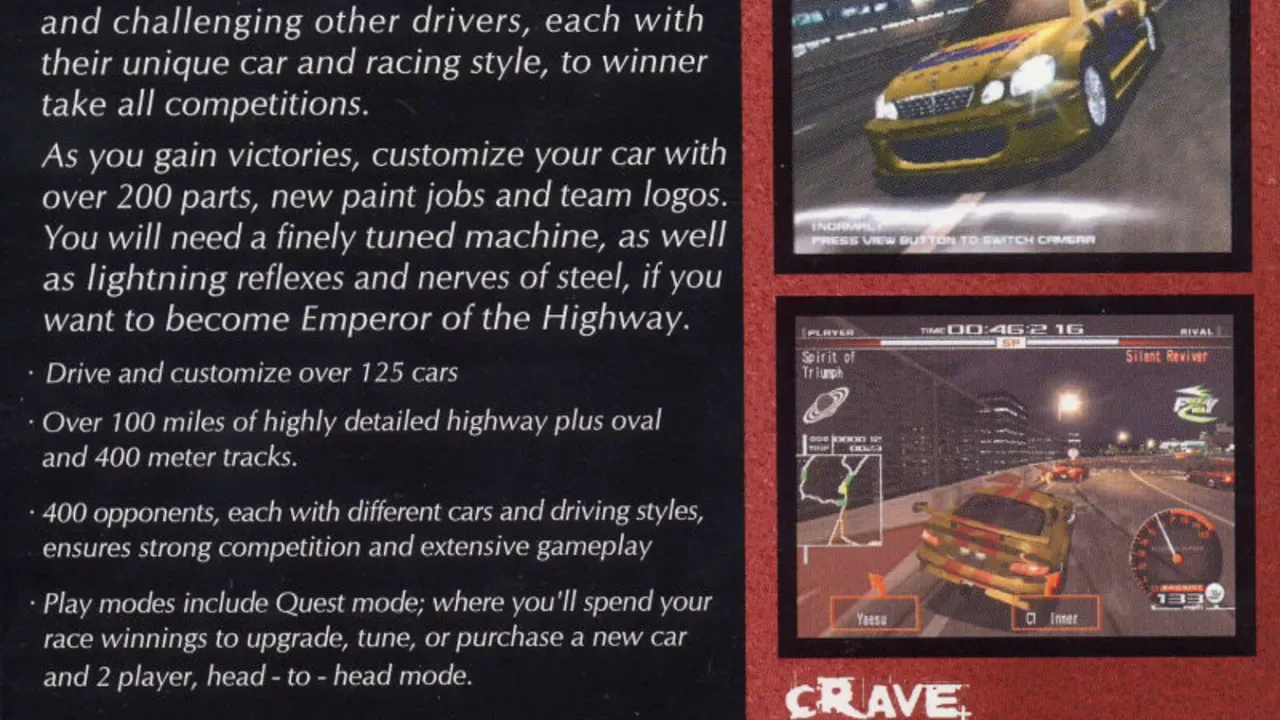
Genki's racing games have typically fallen into the Shutokou Battle series, a collection of late-night racing games that put you on the highways surrounding Tokyo. The company's latest PS2 racer, Racing Battle: C1 Grand Prix, maintains many of the same gameplay mechanics that Genki's other games contain, but this time it takes the cars off of the streets and drops them onto proper racetracks. Racing Battle will contain licensed cars. The version on display only has a handful, including an RX-7, a Supra, an Integra, an Impreza, and an S2000. The car models in the game look decent. They're nice and smooth, but they don't seem to be quite as detailed as the car models in some other comparable racing games. Like most other racing games, Racing Battle has multiple camera angles. But the first-person angle is pretty interesting. From this view, you get indicators that show how hard you're steering, accelerating, or braking. You also get a second, TV-style camera angle in a small window at the top of the screen. This is cool because it gives you a good idea of what's going on near your car. It's easy to see cars coming up behind you with this view and more effective than a standard rearview mirror. The gameplay in Racing Battle is roughly the same as what Genki has done with Shutokou and Kaido Battle series. Each car is associated with a fighting gamelike life meter, and the car in second place constantly loses pieces of its life meter. When one car runs out of "health," the race ends and a winner is declared.
Could be interesting
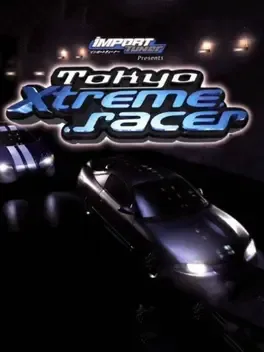
Tokyo Xtreme Racer is a racing video game released in 1999 as one of the console's launch titles, the game was one of the first mission-based racing games. The gameplay involves the player challenging other drivers on the Shuto Expressway in order to gain money to modify and enhance his or her car. The game features a wide variety of Japanese cars and tuning parts to purchase as the player progresses through rivals. When released in Japan, Shutokō Battle was one of the best selling Dreamcast titles at this time. The game is based on illegal highway racing in Tokyo's Wangan highway with custom tuned cars. A such phenomenon is growing popular in Japan since the 1990s with dedicated manga (Shutokō Battle's biggest inspiration being Wangan Midnight), anime series and video games (C1 Circuit, Wangan Trial, Naniwa Wangan Battle).
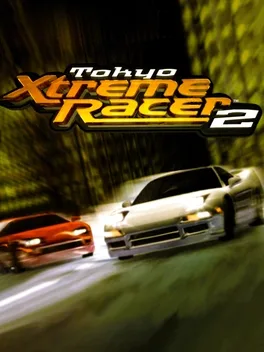
The thrilling followup to the original, Tokyo Xtreme Racer 2 improves in all fronts. With more road to drive on, rivals to fight, and cars to master, this entry offers everything and more. In the game, you race around the streets of Tokyo at night in an almost seamless experience, from cruising around, to joining a race, to cruising again. Flash your headlights when tailing a rival to incite a race, and after a short cinematic, you're both off. To win a race, you need to take down your opponent's power meter, while keeping yours intact. It decreases when hitting objects, and, more importantly, in last place. The game is less focused on the realism of a racer, but still takes into account a good amount of customization, from upgrades to tuning. Since you'll be driving the car almost constantly, its best to have your own personal vehicle. The roads you drive on start out limited, but expand as you dive deeper and deeper into the game. Don't expect to go without memorizing the tracks; in order to beat the best, you need to make Tokyo your home.
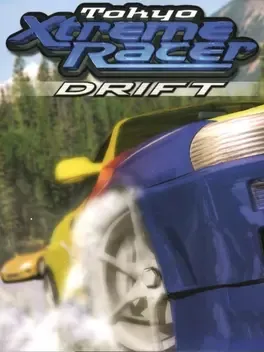
This fifth installment in the Tokyo Xtreme series, focuses more on the "drifting" style of racing and has two different distinctive challenges of racing included in the game. Players can race professionally during day races, earning money to upgrade their cars and try to get the big sponsorships. During night races, players can race for pride, along with the ability to bet money and even car parts. Players will race in the scenic mountains of Japan, in real life courses on uphill and downhill races and even during varying weather and seasonal conditions, effecting the handling of the cars as they would in real life. There is also a rivalry battling system in the game, making the races more dangerous as opponents try to stop them at all costs. It also features real licensed high-end vehicles such as Nissan, Toyota, Subaru, Audi, Alfa Romeo, Mini, Volkswagen among many others.
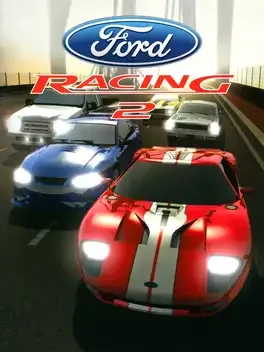
The sequel to Ford Racing has arrived. Ford Racing 2 has new and improved cars, added tracks and challenges, and more thrills than ever. With an expanded selection of Ford vehicles--ranging from the '49 Ford to the latest Mustang GT Concept--picking out a car will be a lot harder than you expect. Get a feel for each car on a diverse set of tracks including Road Tracks, City Limits, Ovals, Spring Break, and Lost World. Ford Racing 2 is ready to put you in the driver's seat, but are you daring enough to sit there?
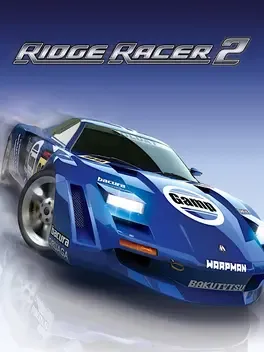
Ridge Racer 2, released in Japan as Ridge Racers 2, is an arcade-style racing game developed by Namco Bandai Games for the PlayStation Portable hand-held console, marking the 14th release in the acclaimed Ridge Racer series and also the sequel/remake to the PSP launch title Ridge Racer.
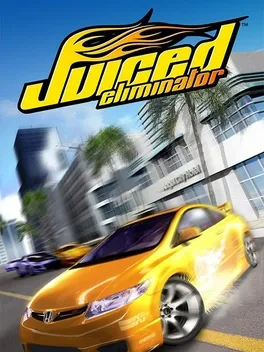
This version of Juiced is built specifically for PSP, with unique multiplayer games and and an expansion on the crew and pink-slip racing features. The game was built from the ground up on PSP, with new cars, tracks, characters and game modes. The built-in wireless connectivity on the PSP lends itself to expanding the multi-player options, including multiplayer crew races, pink slip racing and the all new ‘Eliminator’ mode where the slowest driver per lap is removed from the competition, and the winner is the last one left in the race.
Modify your car, choose from an endless assortment of customization options, then take your ride to the streets to prove your metal on the pavement. Verse real players in an open world made for racing!
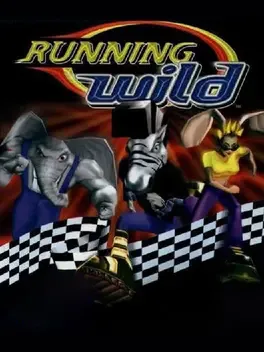
A racing game in the purest sense of the word, Running Wild pits six bipedal animals against one another in a footrace across six diverse environments (two of which must be unlocked), with the sole aim of being crowned the fastest animal on the planet. The menagerie of racers includes Mei-Ling the panda, Gwynn the rabbit, Brazz the zebra, General the mountain ram, Coronado the bull, and Boris the elephant. The courses, taking place in remote locations such as the arctic, jungle, and desert, are littered with hazards and power-ups to both aid and hinder your progress. The former is made up of a plethora of obstacles such as pipes, ice and lava pits, thorn patches, and other such impediments, many of which must be cleared using your animal's innate jumping ability. The power-ups provided allow characters to fly; turn into ghosts in order to avoid obstructions; transform the course into mud or ice or even increase in size in order to squash any competitors in their path. Speed strips are scattered about the locales and will provide much-needed boosts when run over.
The mountains of Japan are calling - and so are your racing rivals. With the mysterious disappearance of the reigning champion, the tournament crown is suddenly up for grabs. Many will vie, only one can win. Do you have what it takes to race, grind and drift your way to the ultimate racing prize? Race in the dangerous mountains of Japan - Hakone, Niko, Haruna and Akagi - all faithfully recreated using the most advanced laser techniques to maintain every tight twist and turn.
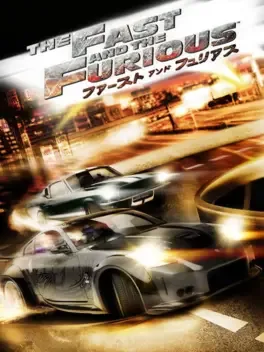
This game features many different races that may take place on the Wangan, or on the local mountain roads called Touge. There are two types of races that can take place on the Wangan: Destination Races - a simple point to point race, and Top Speed Battles - whoever can set the highest speed record in between the start and finish wins. The Touge also features two events: Grip Battles - point to point race going uphill or downhill through tight Hairpin Turns, and Drift Battles - whoever can accumulate the most points by the end of the run wins. Throughout the Wangan are several exits which can lead to hotspots - where Wangan races can be started, touges, Car Dealerships, tune shops, and Robo-Garages. These garages were featured in the movie The Fast and the Furious: Tokyo Drift.