
Mappy


Buy
Part of collection:
Mappy
(last 3 games)
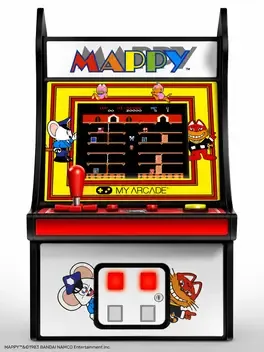
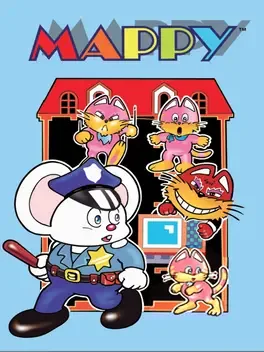
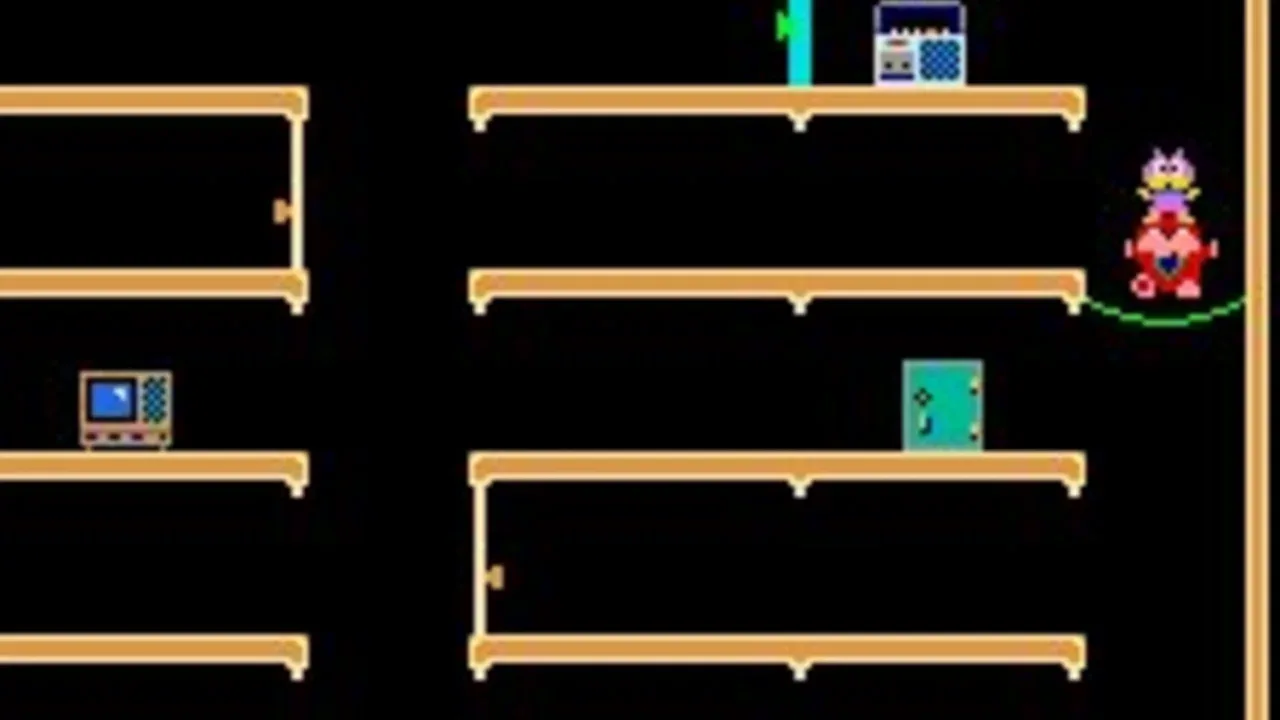
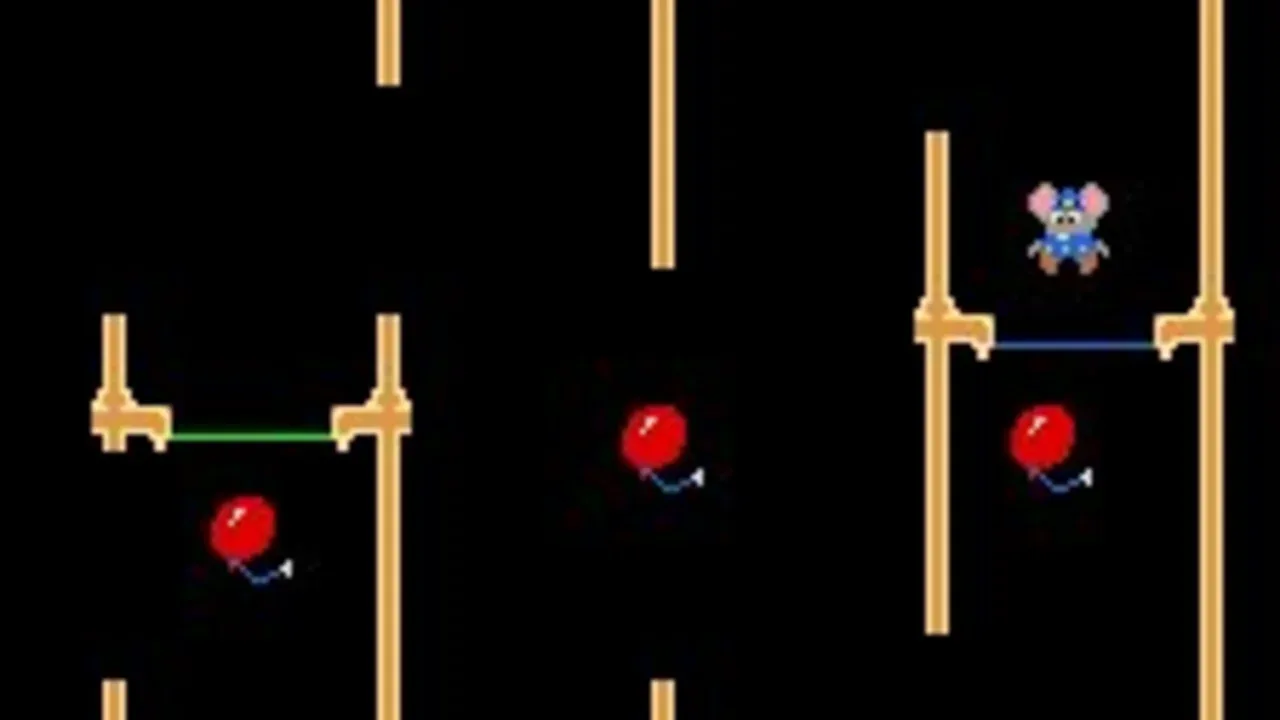
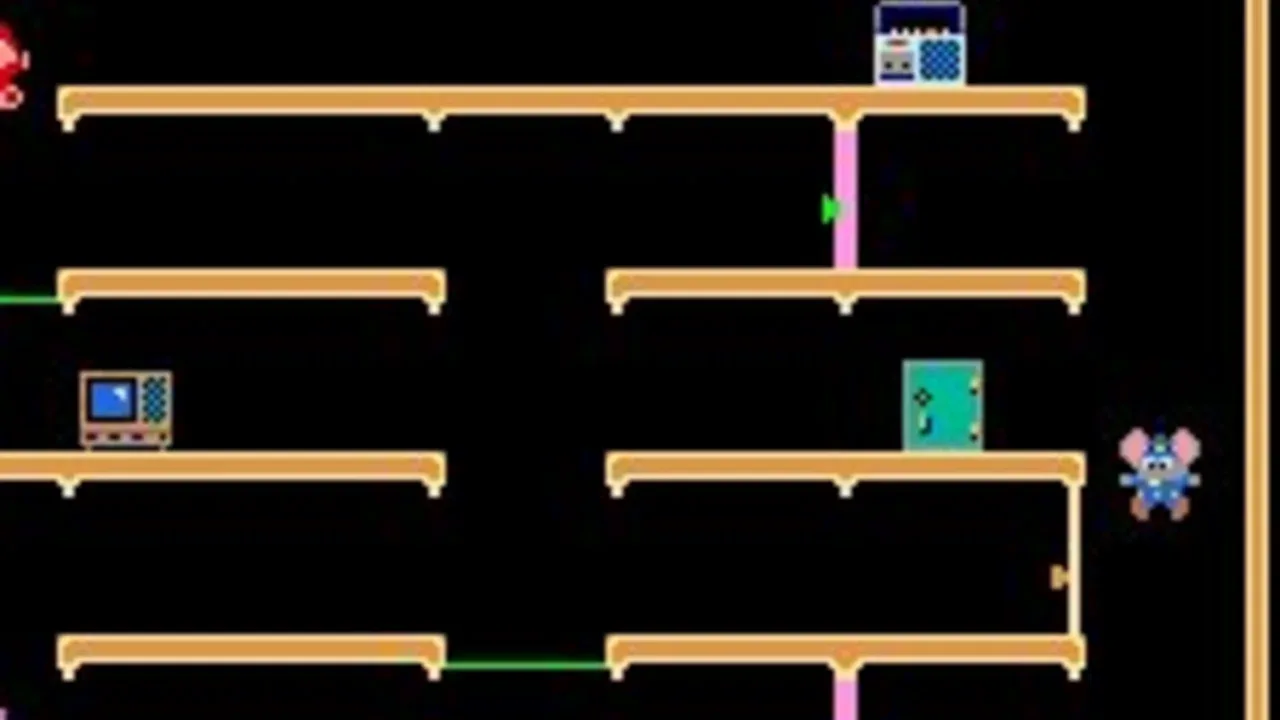
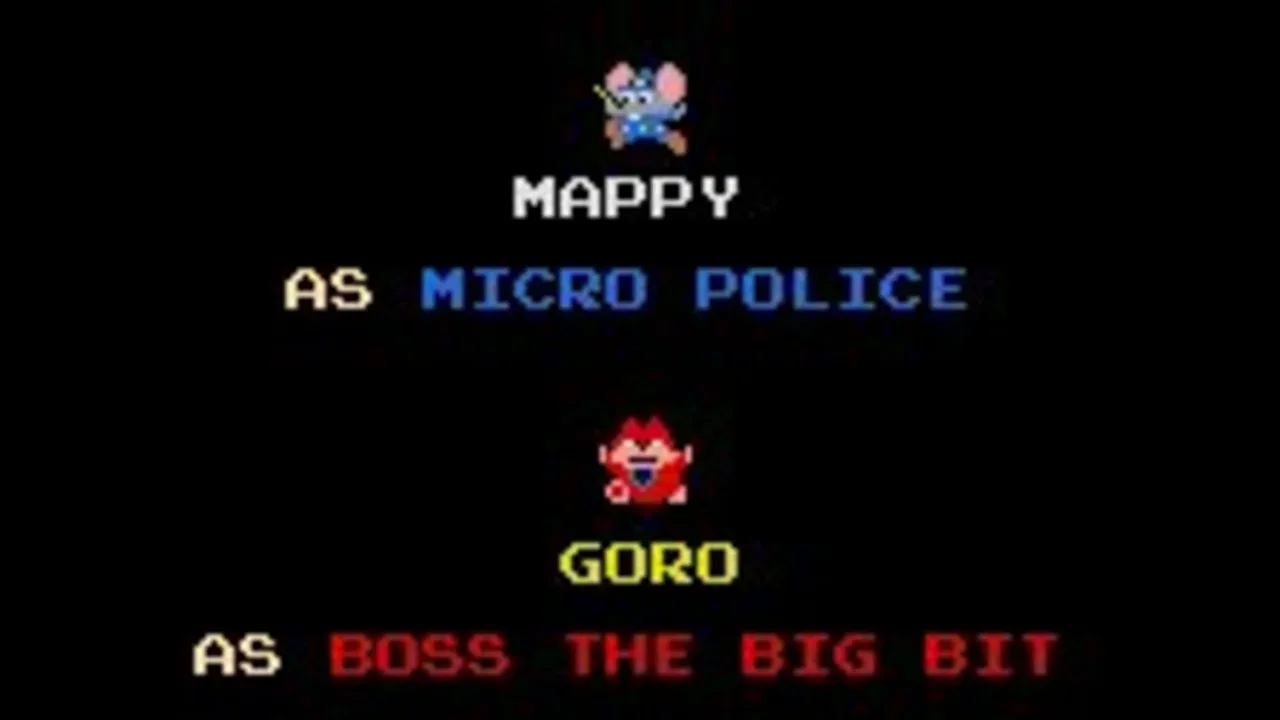
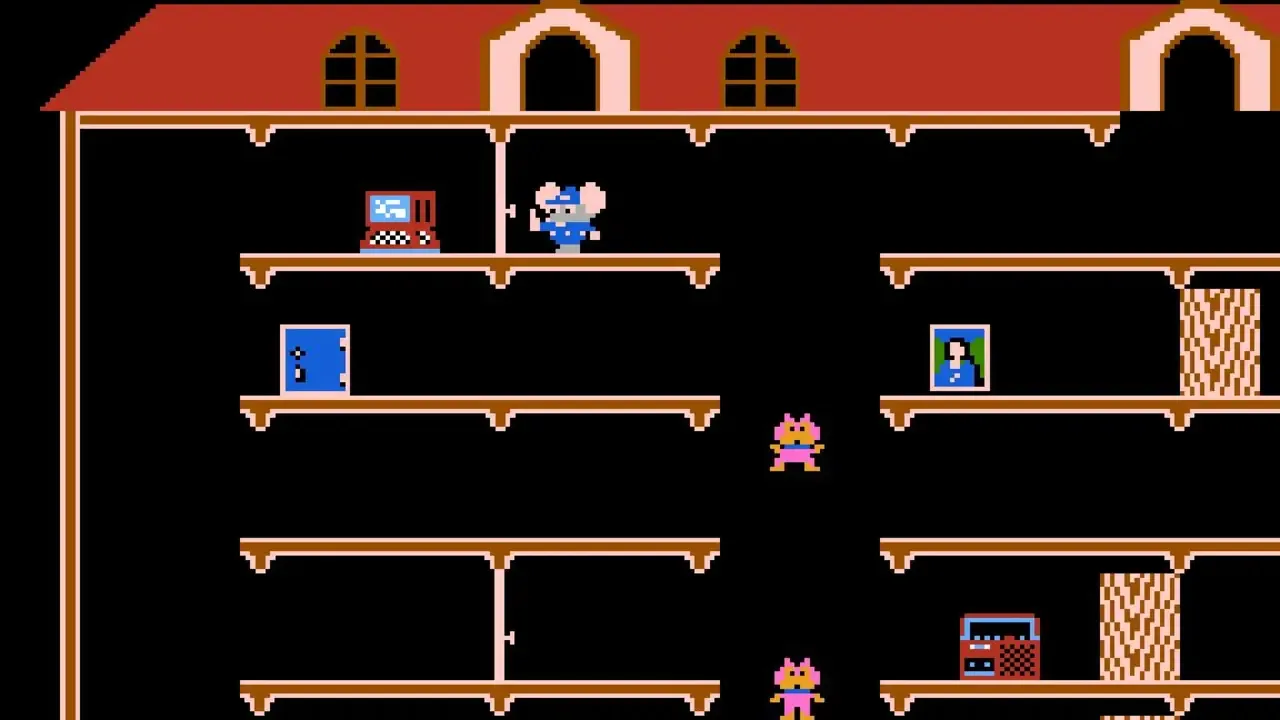
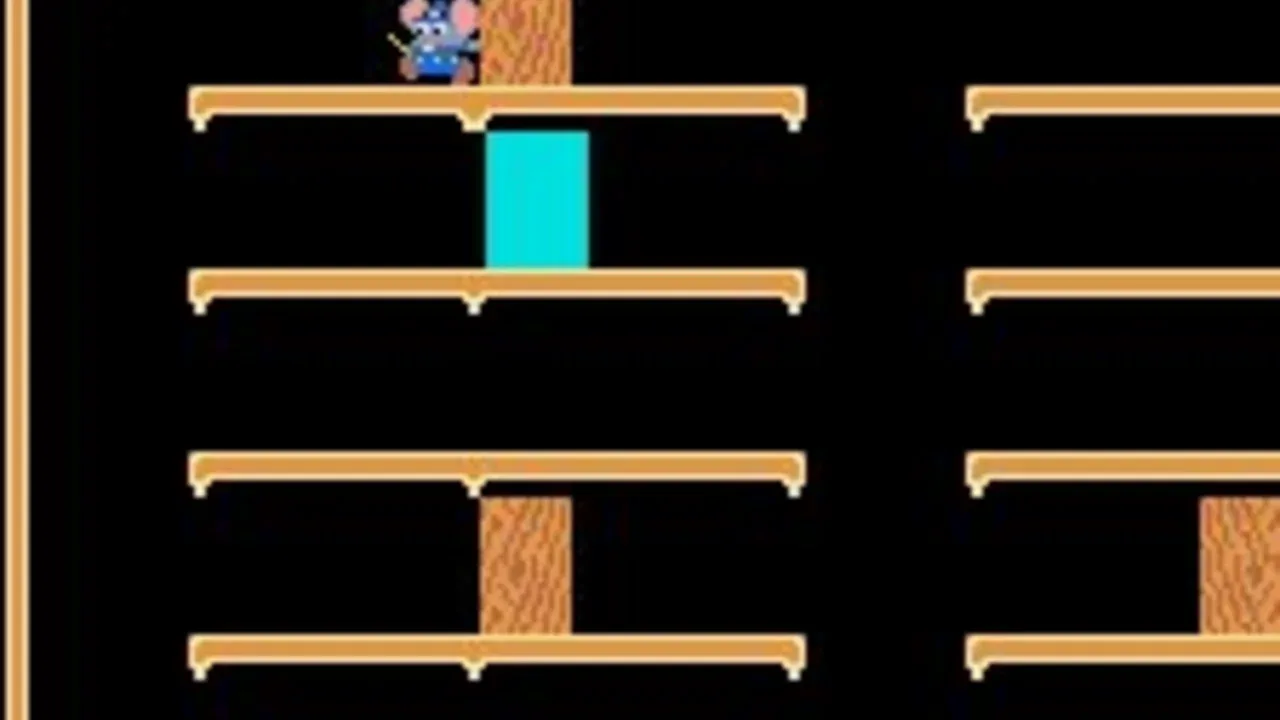
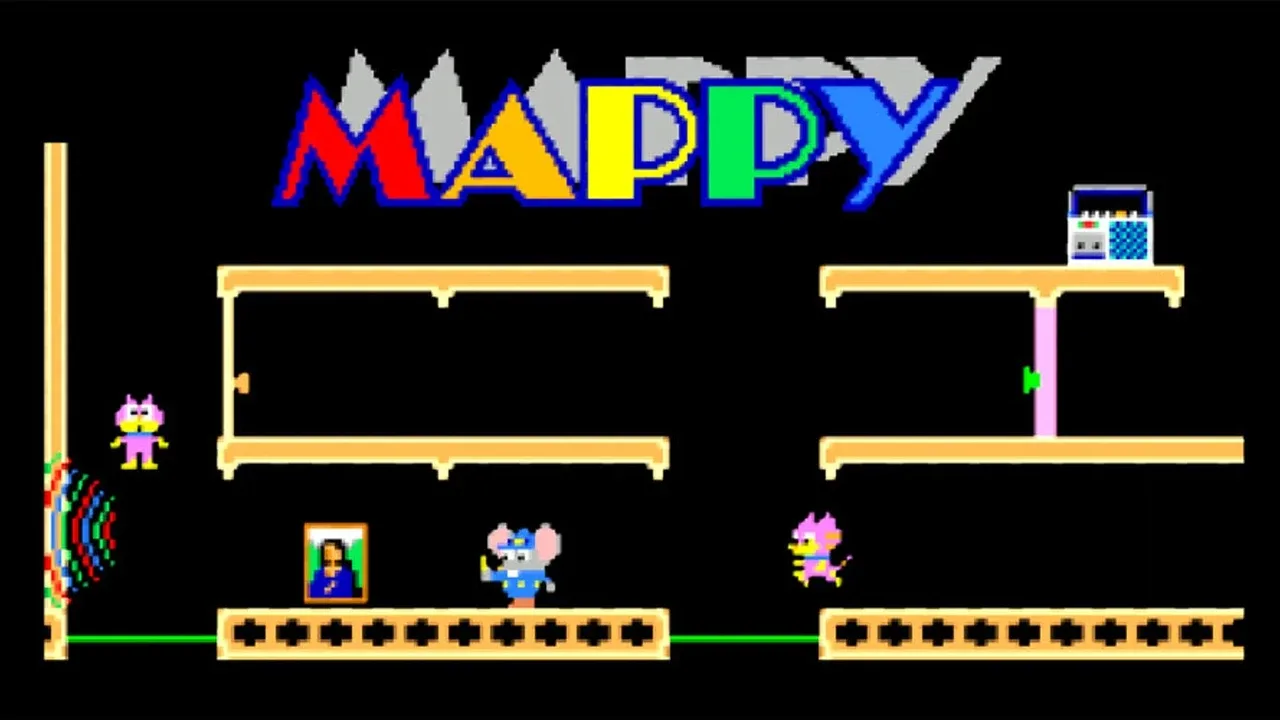
First released in 1983, MAPPY is the ultimate game of cat and mouse. Guide MAPPY, the police mouse, through the Meowkies mansion to recover all the stolen loot while avoiding cats and using trampolines to complete your mission. With its fun characters and outlandish story line, this arcade classic is sure to be a hit with gamers of all ages!
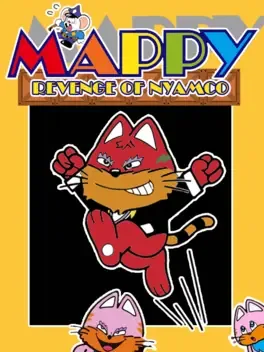
A Breakout-style arcade game where you play as Nyamco and his nefarious Meowkies raiding a warehouse full of pricey valuables! Revenge is sweet!
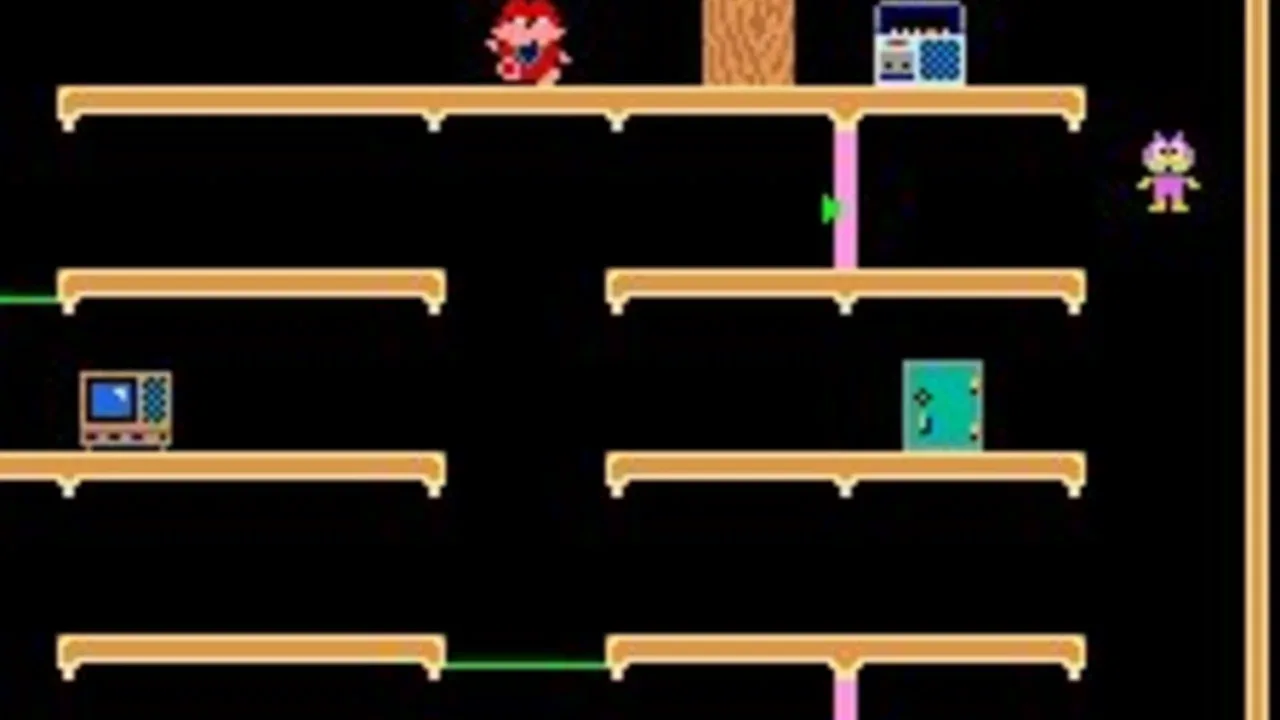
A remake of Mappy, released in Namco Classic Collection Vol. 1.
Could be interesting
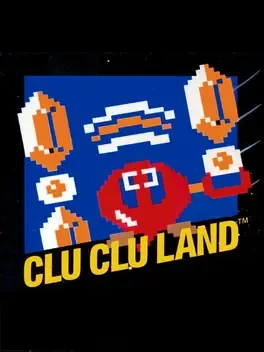
Are you clever enough to unravel the mystery of Clu Clu Land? The evil Sea Urchin has hidden all the gold in Clu Clu Land in an underground mystery maze. It's up to you to find the gold before time runs out! But beware. The Sea Urchin will do everything in his power to stop you. He'll set up traps to trick you, like inviting you into his house where you'll be swallowed alive! Or bounce you against the Rubber Trap and land you flat on your back! But if you, or you and a friend, can control the Sea Urchin by stunning him with electric shockwaves, you just might find out where he's hidden the gold and move on to an exciting bonus round! This version of Clu Clu Land was released for Nintendo's Versus series arcade hardware as Vs. Clu Clu Land. It also received a home release in Japan under the name Clu Clu Land: Welcome to New Clu Clu Land.
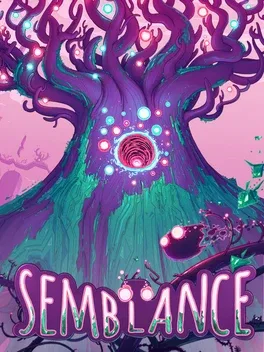
Semblance is an innovative platformer with deformable terrain, set in a beautiful minimalist world. It’s a game that asks, what if you could deform and reshape the world itself? Semblance takes the idea of a ‘platform’ in a platformer and turns it on its head.
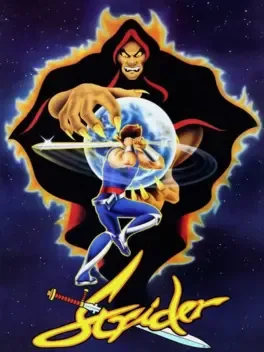
The controls of Strider consist of an eight-way joystick and two action buttons for attacking and jumping. The player controls Hiryu himself, whose main weapon is a tonfa-like plasma sword known as "Cypher". He can perform numerous acrobatic feats depending on the joystick/button combination used. Pressing the jump button while Hiryu is standing still will cause him to do a regular vertical jump, while pressing the jump button while pushing the joystick left or right will enable him to do a cartwheel jump. Hiryu can also slide under or through certain obstacles and enemies by first crouching down and then pressing the jump button. As well as his sliding move, both jumps can also be used to destroy weaker opponents. Hiryu is able to latch onto certain platforms, and climb across walls and ceilings using a metallic hook. While running down a sloped surface, Hiryu can gain enough momentum to allow him to do a longer cartwheel jump than usual. Numerous power-ups can be obtained from item boxes carried by certain enemies. These includes an extension to Hiryu's attack range that lasts for one hundred slashes, two types of health aids (represented by the kanji used to write Hiryu's name: 飛 and 飛竜), a max health extension (represented by the kanji 竜, the second character in Hiryu's name), an extra life, and a power-up that not only makes Hiryu invulnerable to attack but also increases his own attack abilities via shadow images of himself for 15 seconds.[3] Hiryu can also summon robotic companions known collectively as "options" that help him fight enemies. These consist of up to two mushroom-like droids, a saber-toothed tiger and a hawk, known individually as Option A, B and C respectively. The game has five stages: the Kazakh Soviet Socialist Republic (called "St. Petersburg" during the arcade game's attract sequence), the Siberian Wilderness, the Aerial Battleship Balrog (געלראב), the Amazonian Jungle, and the Grandmaster's lair itself, the Third Moon. Each of the stages is divided into a number of smaller sections, each with their own time limit and checkpoint location. The player has a three-point health gauge (which can be increased to five points with the health extensions. Hiryu will lose a life when either his health gauge is fully depleted, by moving him off the screen entirely (like falling into a bottomless pit) or when the game's timer reaches zero. It's Game Over when all of Hiryu's lives are lost, but the player can be given the opportunity to continue.
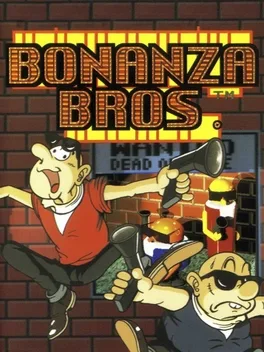
Just who are these guys? Mobo and Robo are the coolest villains you'll ever meet- they rob banks, museums (and innocent computer gamers of their sanity). One evening whilst watching TV a mysterious stranger appeared on screen. "Good Evening Boys I've got a job for you... My businesses are being robbed and I need you to test my security systems... Deliver the goods and I'll reward you." Take control of Mobo and Robo and guide them around the various establishments, collecting evidence on the way.
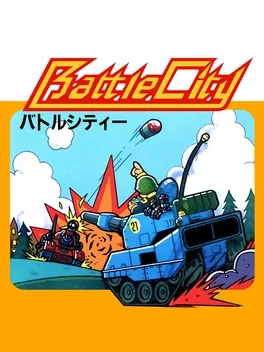
Battle City, also known as Tank 1990 or Tank in some pirate multicart releases, is a multi-directional shooter video game for the Family Computer produced and published in 1985 by Namco. The game was later released for the Game Boy and was included in the Japanese version of Star Fox: Assault. It is a port of the arcade game Tank Battalion with additional features (including two player simultaneous play and a level edit feature). There was also a rendition for Nintendo's Vs. System arcade cabinets. The player, controlling a tank, must destroy enemy tanks in each level, which enter the playfield from the top of the screen. The enemy tanks attempt to destroy the player's base (represented on the map as a bird, eagle or Phoenix), as well as the human tank itself. A level is completed when the player destroys all 20 enemy tanks, but the game ends if the player's base is destroyed or the player loses all available lives.
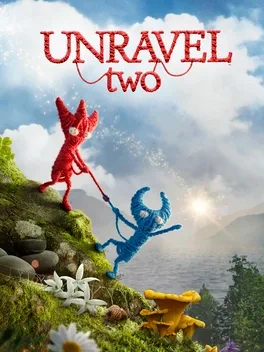
Unravel Two is the sequel to the 2015 puzzle platforming game Unravel. In the game there are two Yarny's (made out of yarn) which can be controlled by one player, though the game can also be played in co-op. Together the Yarny's explore area's and solve the puzzles within them.
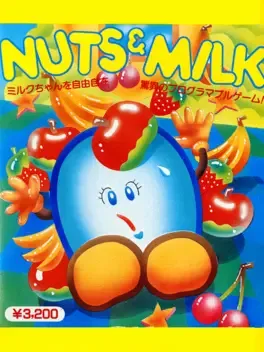
Nuts & Milk is a platform-style puzzle game developed and published by Japanese software developer Hudson Soft in 1983. The game was released initially on the FM-7, MSX, NEC PC-8801, NEC PC-6001, and later to the Famicom in Japan. It was the first third party video game to be released on a Nintendo console.
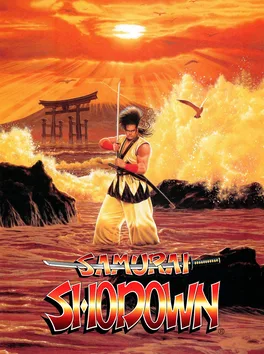
In early Japan, a man named Shiro Tokisada Amakusa preaches a heretic religion. Little does anyone know that Amakusa is really a servant of the evil Ambrosia, who took over Amakusa's body. Ambrosia wishes to shroud the world in darkness. Now, choose between 12 warriors (and 3 bonus characters) to fight for the honor of destroying Amakusa, and fulfilling a mission.
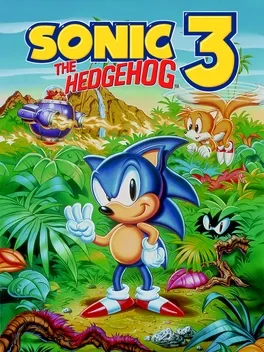
The game is a sequel to Sonic the Hedgehog 2 for the same system and follows on directly from the end of the game, in which Sonic defeated his enemy, Dr. Robotnik; crash-landing on a floating island, Sonic encounters new character Knuckles the Echidna, and must once more retrieve the Chaos Emeralds while also working to stop Dr. Robotnik from relaunching his ship, the Death Egg.

This is a completely different game than its 16-bit counterpart on the Genesis/Mega Drive, and was originally released on the Sega Game Gear and Master System. To stop the evil Dr. Robotnik, Sonic must traverse six zones consisting of three levels each. Most of the zones are based on those in the original game, but some are entirely new, including a jungle environment and a huge airship. Other unique differences are one level that scrolls automatically and one that is aligned vertically instead of horizontally. Most of the enemies (mechanized animals, defeated by Sonic's spikes when jumping or rolling) and power-ups (speed-ups, shields, extra lives) are the same as in the Genesis version as well. Sonic can pick up golden rings for protection (when hit, he simply loses all of his rings instead of a life) and bonuses: 100 rings gain Sonic an extra life, and 50 remaining rings at the end of a level allow access to pinball-themed special stages full of bumpers and springs. The final level of a zone is always a boss fight against Robotnik. Some of the boss fights differ in the Master System and Game Gear versions of the game, with special designs for the handheld version due to the smaller visible screen area. Sonic should also collect the six Chaos Emeralds to keep them from falling into Robotnik's hands. In a departure from the original game, these are not hidden in the special stages but somewhere in the regular levels.