
Super Hang-On



Buy
Part of collection:
Hang-On
(last 3 games)
Like Hang-On Jr. before it was of Hang-On, Limited Edition Hang-On is a simpler-course version of Super Hang-On. LE Hang-On is identifiable by having a full-bodied motorcycle as part of the cabinet.
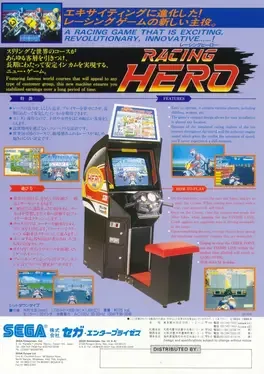
Race a motorcycle against other bikes, cars, trucks and the obligatory tight time limit. Racing Hero is the spiritual successor both to Sega's wonderful "Hang-On" series, and to their most famous racing game, "Out Run". Some of Racing Hero's stages mirrored the racing-through-traffic gameplay of the Ferrari-based racer, for example perhaps the biggest similarity to Out Run is that at the end of each stage, the player can choose which route he or she wishes to take next. This differs somewhat from "Out Run"'s highly impressive forked-road method. In Racing Hero, the player is presented with a seperate stage-select screen and simply highlights the flag of whichever country they wish to tackle next.
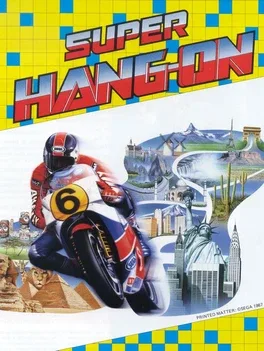
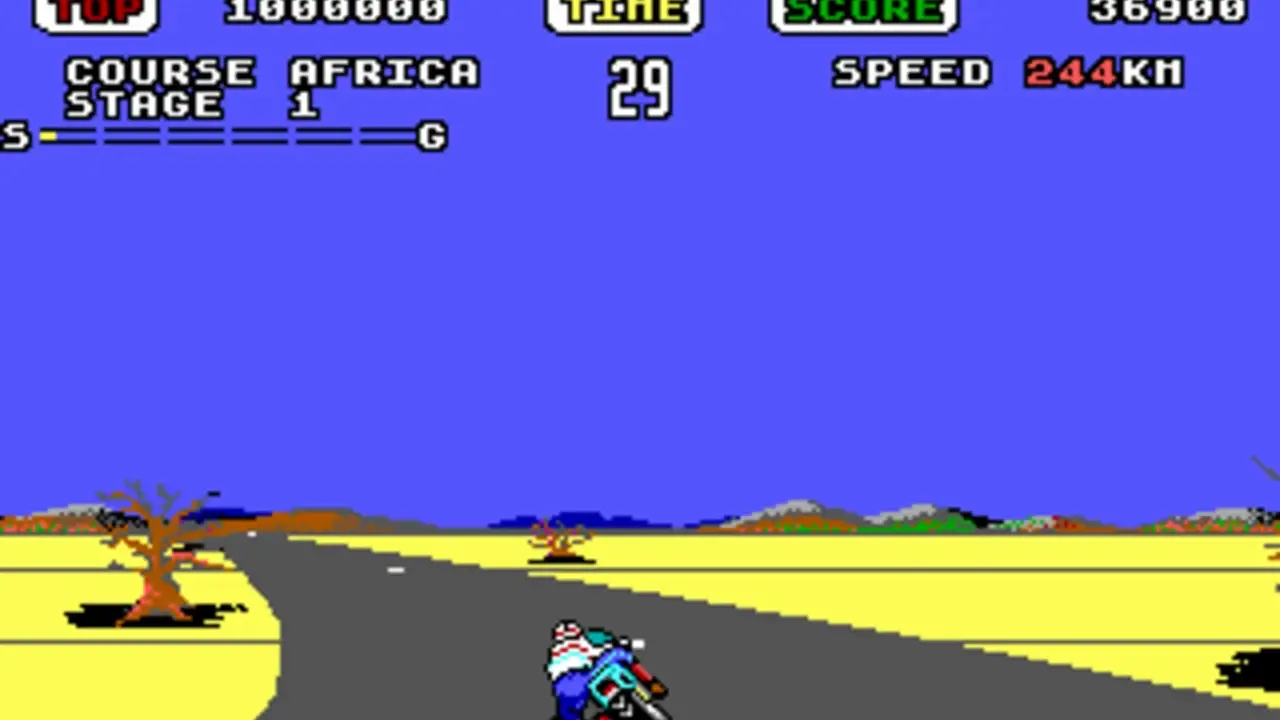
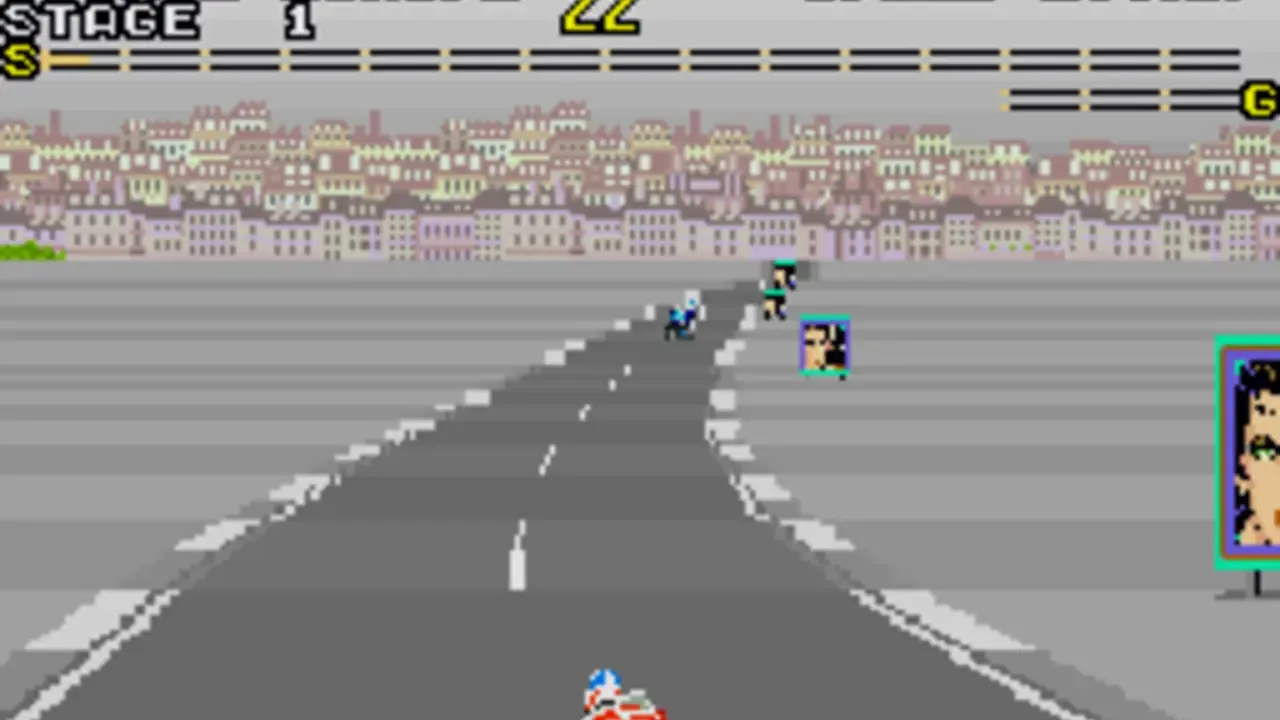
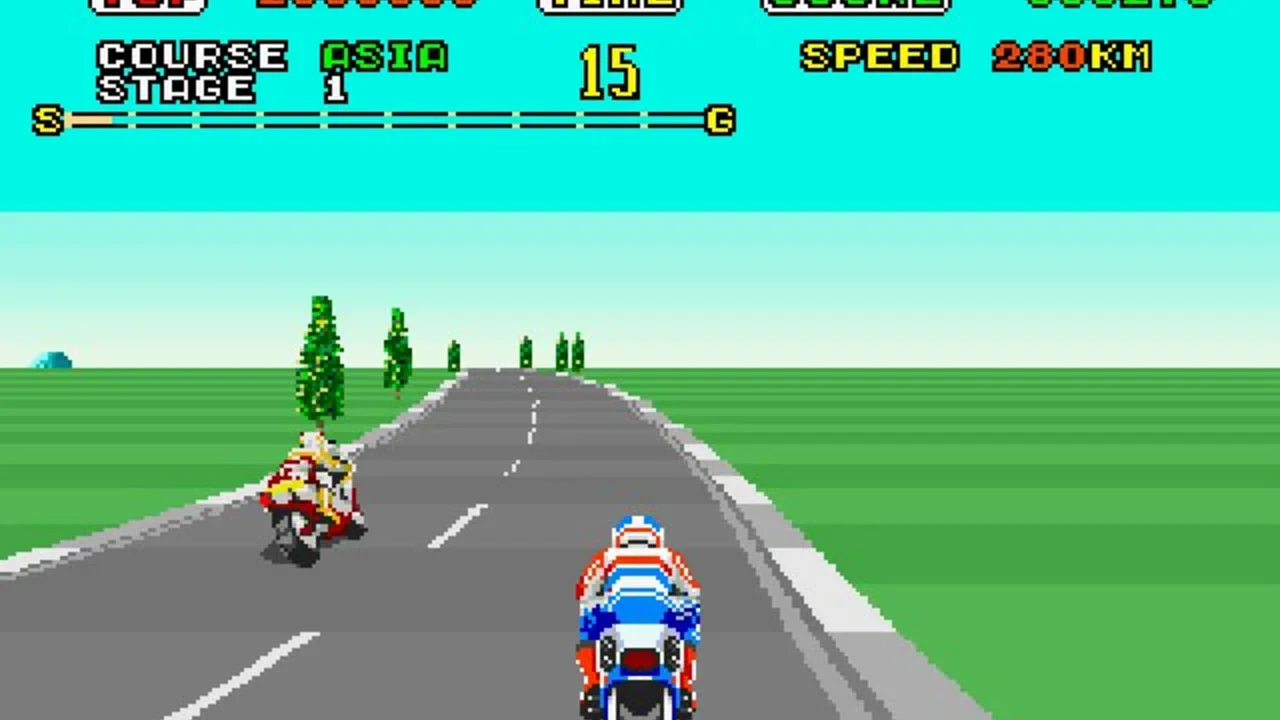
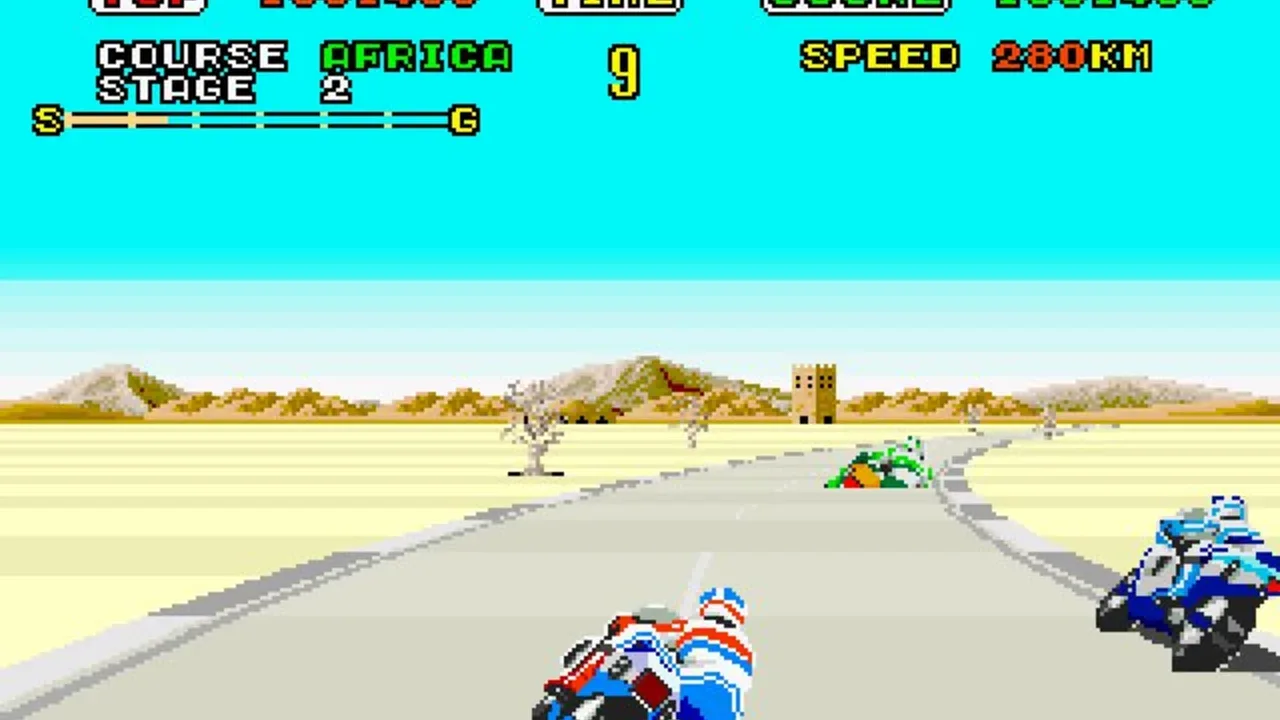
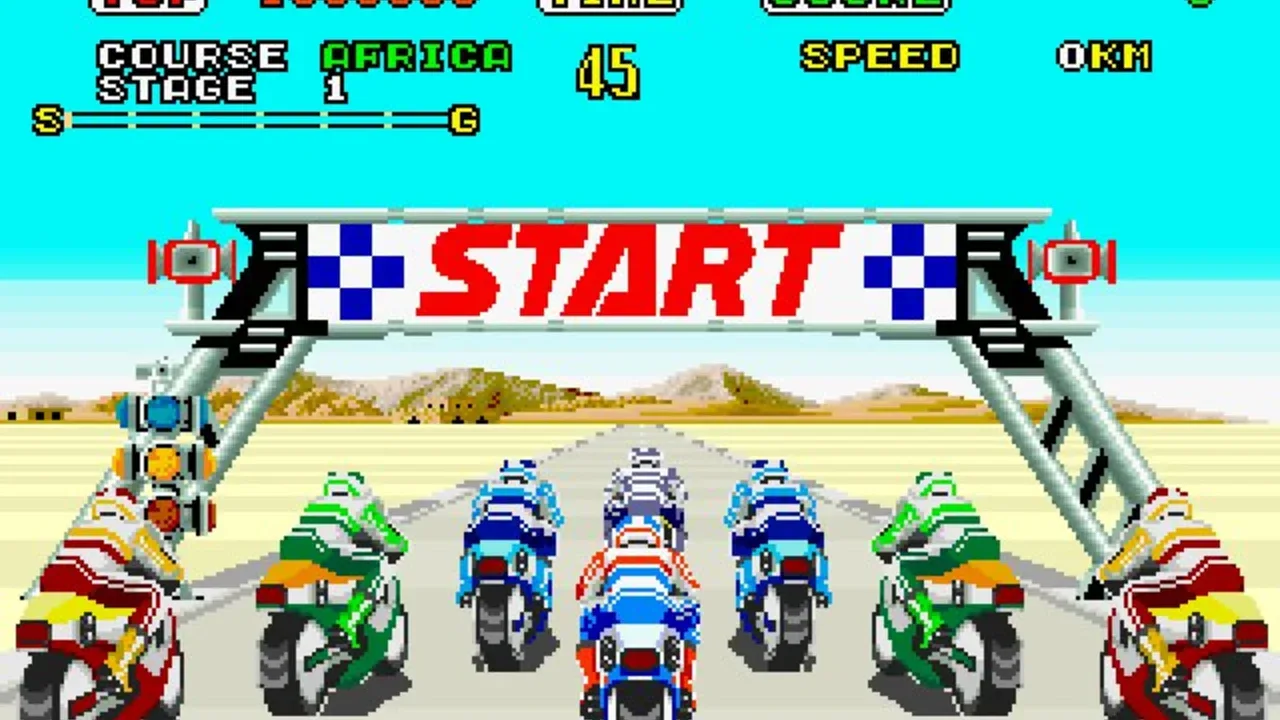
Super Hang-On is a 1987 motorcycle racing arcade game by Sega, and the sequel to the acclaimed Hang-On. A version of this game, in the full simulated-motorcycle cabinet used by the original Hang-On, was released in 1991 as Limited Edition Hang-On. It was also released for the Sega Mega Drive, Commodore Amiga, Atari ST, Macintosh, ZX Spectrum, Amstrad CPC and Commodore 64 in 1989. Super Hang-On was also released for the Sharp X68000 computer in Japan. The game also appeared on several Mega Drive compilations, namely Mega Games I (bundled with the console as Mega Drive Magnum Set), and Sega Genesis Six Pack. The arcade version was released on the Wii Virtual Console in Japan on September 14, 2010 and later for the other regions on May 3, 2012. A stereoscopic 3D version was released for the Nintendo 3DS eShop in Japan on March 27, 2013 and in North America and Europe on November 28, 2013.
Could be interesting
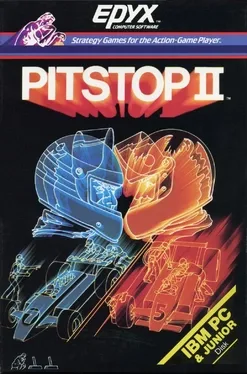
Pitstop II is the first 3D racing game to implement a split-screen simultaneous two-player game mode. Players could be in completely different places on the racing track, and each split screen would show the view of the track according to the player's position.
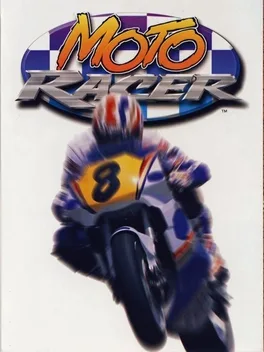
Moto Racer is an arcade style motorcycle racing game developed by Delphine Software International and published by Electronic Arts for Microsoft Windows and PlayStation. It features both dirt and street bikes, and a variety of tracks.
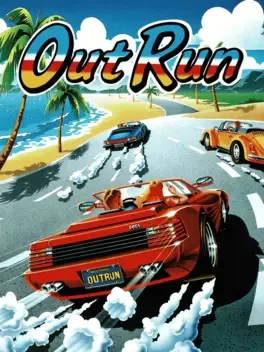
OutRun is a racing game originating in the arcades. The player can race across varied terrain in a readily available Ferrari, complete with a female passenger, over a series of short tracks. Gameplay is viewed form just above and behind the car. The roads are full of sharp bends and hazards, contact with which can cause the car to roll and lose the player's time. On each section of track there is a fork in the road, allowing the player to choose which direction he or she wishes to go in. The player has to to complete five track sections in total, out of the fifteen in the game.
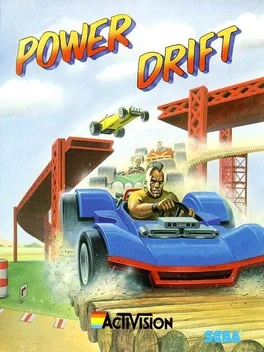
Power Drift is a kart racing game released in arcades by Sega in 1988. More technologically advanced than Sega's earlier 2.5D racing games, like Hang-On (1985) and Out Run (1986), in Power Drift the entire world and track consist of sprites. The upgraded hardware of the Sega Y Board allows individual sprites and the background to be rotated–even while being scaled–making the visuals more dynamic. Designed and directed by Yu Suzuki, the game was a critical and commercial success upon release in arcades. It was subsequently ported to various home computers in Europe by Activision in 1989, followed by a PC Engine port published in Japan by Asmik Ace in 1990. It was not released on Sega consoles until the Sega Ages release for the Sega Saturn in 1998.
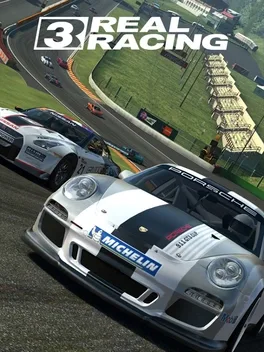
Real Racing 3 is the award-winning franchise that sets a new standard for mobile racing games – you have to play it to believe it. Real Racing 3 features officially licensed tracks with 40 circuits at 19 real-world locations, a 43-car grid and over 250 meticulously detailed cars from manufacturers.
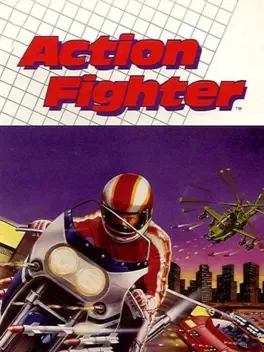
Take to the streets or take to the skies. Because Action Fighter is the incredible, transformable combat vehicle. You start out on a customized cycle. Built with enough speed and power to jump over water and overtake enemies. Then, by finding the right parts along the way, you'll change your cycle into a supercharged, state-of-the-art sports car. Next, add two turbojets to make your car airborne. And take to the skies. Down hyped-up helicopters and jet spaceships from above. And no matter which vehicle you're manning- or who you're after- get ready to stand by for action!
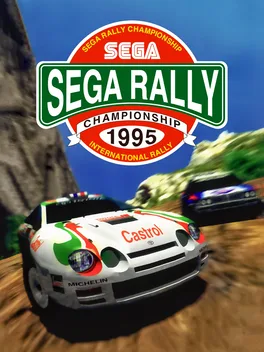
Sega Rally Championship is a 1994 arcade racing game developed by AM5 on the Sega Model 2 board. The unique selling point of Sega Rally was the ability to drive on different surfaces (including asphalt, gravel and mud), with different friction properties, with the car's handling changing accordingly. As the first racing game to incorporate this feature, Sega Rally is considered to be one of the milestones in the evolution of the racing game genre. The music for the arcade game was composed by Takenobu Mitsuyoshi, while the Sega Saturn port's soundtrack was done by Naofumi Hataya and the Guitar were played by Joe Satriani.
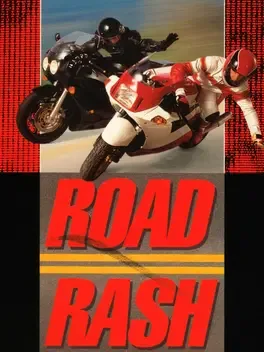
Road Rash is a high-octane motorcycle racing game where players become bikers competing in illegal races across the U.S.A. The game focuses on a series of races in California, which players must win to progress to more challenging competitions. Along the way, they engage in both unarmed and armed combat to outmaneuver other racers.
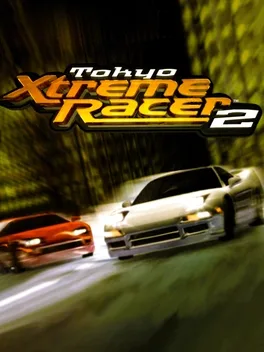
The thrilling followup to the original, Tokyo Xtreme Racer 2 improves in all fronts. With more road to drive on, rivals to fight, and cars to master, this entry offers everything and more. In the game, you race around the streets of Tokyo at night in an almost seamless experience, from cruising around, to joining a race, to cruising again. Flash your headlights when tailing a rival to incite a race, and after a short cinematic, you're both off. To win a race, you need to take down your opponent's power meter, while keeping yours intact. It decreases when hitting objects, and, more importantly, in last place. The game is less focused on the realism of a racer, but still takes into account a good amount of customization, from upgrades to tuning. Since you'll be driving the car almost constantly, its best to have your own personal vehicle. The roads you drive on start out limited, but expand as you dive deeper and deeper into the game. Don't expect to go without memorizing the tracks; in order to beat the best, you need to make Tokyo your home.
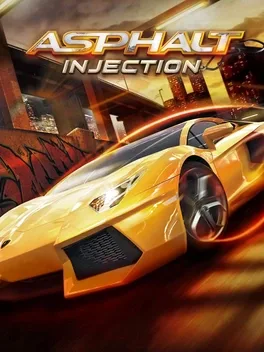
Asphalt: Injection is a racing game in which players can select from real-world cars to compete at international locales. It contains three main gameplay modes: "Career", "Free" and "Multiplayer". The game includes 52 licensed cars.